
Table of Contents
Introduction to Minimalist Indoor Plant Decor
What is Minimalist Decor?
Minimalist decor isn’t just about having fewer things—it’s about creating a meaningful space that feels open, uncluttered, and calm. At its core, minimalism is all about simplicity, function, and balance. The design philosophy emphasizes clean lines, monochromatic palettes, and an intentional use of space and objects. Every element has a purpose. There’s no room for chaos in minimalist interiors—only quiet elegance and thoughtful placement.
Picture walking into a room where everything has its place. There’s no excess furniture, no explosion of color, and no random decor. Just sleek, intentional design that soothes your senses. In this kind of space, it’s not about what you add—it’s about what you don’t need. It invites you to breathe deeper, think clearer, and appreciate beauty in simplicity.
So, where do indoor plants come in? Surprisingly—or not—they fit in perfectly. Minimalism might suggest “less,” but it doesn’t mean “lifeless.” That’s where greenery becomes essential. It breathes life into a space without overwhelming it. A single, perfectly placed plant can speak volumes more than a dozen knick-knacks or flashy decor pieces.
Why Indoor Plants Fit Perfectly into Minimalist Design
Minimalist design thrives on the idea that less can be more—and that every item should have a purpose. Indoor plants check all those boxes. Not only do they bring a touch of nature indoors, but they also improve air quality and create a calming visual anchor.
Let’s face it—plants are nature’s artwork. Their organic forms contrast beautifully with the rigid lines and muted tones of minimalist decor. They add color without clashing, texture without clutter, and vibrancy without chaos.
Unlike traditional decor pieces that may go out of style, plants remain timeless. Their ability to evolve and grow with your space makes them ideal for minimalist settings. You don’t need an entire jungle. A single monstera in the corner or a tiny succulent on a floating shelf can make all the difference.
In essence, plants are not just decor in minimalist homes—they’re living statements of balance, beauty, and well-being.
Read Also: Small Space Plant Decor: Creative Tips for Apartments
Benefits of Minimalist Indoor Plant Decor
Enhancing Aesthetic Appeal
You might wonder how a minimalist space can still feel warm and inviting. The answer lies in the smart use of indoor plants. When styled correctly, even one or two plants can completely transform the aesthetic of a room. They add contrast to neutral backgrounds, soften hard edges, and serve as natural focal points.
A carefully chosen fiddle leaf fig in a white ceramic planter can break the monotony of a grayscale living room. A tiny cactus on a clean-lined desk adds personality without clutter. Hanging pothos trailing gracefully down a shelf introduces movement and life into an otherwise static scene.
What’s more? Indoor plants work well with every shade of minimalism—be it warm earthy tones, cool Scandinavian whites, or bold monochromes. They don’t fight for attention; they enhance the vibe.
Another perk? Indoor greenery reflects your lifestyle. It signals mindfulness, care, and intentional living. Guests often notice and appreciate the subtle elegance of a thoughtfully placed plant—it’s an effortless way to show off your design sensibility.
Boosting Mental and Physical Health
Minimalist plant decor isn’t just about looks. It’s also a game-changer for your health. Studies have shown that being around indoor plants can reduce stress, increase concentration, and even improve productivity. In minimalist spaces—where distractions are minimal—plants become even more effective in enhancing your mental state.
Think of them as quiet companions. A Snake Plant near your bed can help purify the air and improve your sleep quality. A Peace Lily in your office may help reduce tension during those back-to-back Zoom calls. Even a tiny aloe vera on the kitchen counter brings a healing touch to your daily routine.
Plants can also physically cool down a room and help regulate humidity. In dry climates or heavily air-conditioned spaces, this is a blessing. For allergy sufferers, some plants like Spider Plants act as natural air purifiers, reducing dust and airborne toxins.
Minimalist plant decor, in short, is the perfect union of beauty and utility. It’s self-care disguised as home decor.
Creating a Calming Environment
Minimalist interiors are already known for creating a sense of peace—but add plants into the mix, and you’ve got a sanctuary. There’s something incredibly grounding about greenery. It connects you to nature, even when you’re indoors.
Imagine coming home to a tidy, clutter-free room with soft lighting and the gentle presence of greenery. There’s a psychological term called “biophilia”—our innate desire to connect with nature. Plants tap into that instinct. They reduce anxiety, elevate mood, and encourage mindfulness.
In fast-paced urban lives, your home becomes your retreat. And minimalist plant decor helps amplify that retreat-like feel. Whether you’re meditating, reading, or simply sipping coffee, being surrounded by plants encourages you to slow down and stay present.
And the best part? You don’t need to spend a fortune or go full jungle-mode. A couple of plants strategically placed can offer all these benefits without compromising your minimalist aesthetic.
Choosing the Right Plants for Minimalist Spaces
Low-Maintenance Plant Options
Let’s be honest—not all of us are green thumbs. That’s why low-maintenance plants are a godsend for minimalist decor lovers. These plants don’t just survive—they thrive on neglect, making them ideal for busy lives and serene spaces.
Here are a few top picks:
- Snake Plant (Sansevieria): Virtually indestructible. Needs little water, tolerates low light, and adds architectural drama.
- ZZ Plant (Zamioculcas zamiifolia): Glossy, deep green leaves and almost zero upkeep. Can go weeks without watering.
- Pothos: Fast-growing, adaptable, and great for hanging or trailing. Looks lush with minimal effort.
- Aloe Vera: Stylish, soothing, and can handle forgetful watering schedules. Plus, it’s a bonus for skincare!
- Cactus: Perfect for desert vibes. Loves sunlight, requires infrequent watering, and adds a modern sculptural element.
Choosing easy-care plants ensures your minimalist home stays clean and low-stress. It also means you won’t have to constantly fuss over your greenery, allowing your space to remain as relaxed as it looks.
Best Small-Space Indoor Plants
Optimizing Greenery in Compact Areas
Not all of us have the luxury of vast living rooms or sprawling sunlit spaces. But that doesn’t mean you can’t indulge in minimalist indoor plant decor. In fact, some of the most charming plant arrangements are born out of necessity in small spaces. It’s all about choosing the right plants—and knowing how to display them.
Here are some perfect options for tight spaces:
- String of Pearls: This trailing succulent looks stunning in hanging planters or cascading from shelves. It needs bright light and minimal watering.
- Air Plants (Tillandsia): No soil required! These quirky, space-saving wonders can be mounted on walls or tucked into decorative bowls.
- Spider Plant: Compact, adaptable, and air-purifying. It thrives in various lighting conditions and looks gorgeous in minimalist hanging baskets.
- Fittonia (Nerve Plant): Known for its striking leaf patterns, this plant is ideal for desks or small corners. It loves humidity and indirect light.
- Mini Cacti or Succulent Arrangements: Group small succulents in neutral-toned pots for a chic yet simple display.
When space is limited, vertical and hanging plant decor becomes your best friend. Think wall-mounted planters, tiered plant stands, or window shelves. The goal is to maximize greenery without taking up floor real estate. It’s all about layering your plants visually while maintaining an airy, clutter-free look.
Keep in mind that even one or two well-placed plants can add a world of charm to a tiny apartment, studio, or office corner. It’s proof that minimalist doesn’t mean minimal impact.
Non-Toxic Plants for Homes with Pets and Kids
Creating Safe and Stylish Spaces
When you’re styling with plants in a minimalist home that includes pets or little ones, safety comes first. Many popular houseplants can be toxic if ingested—so knowing which plants are both stylish and safe is crucial.
Here are a few pet- and kid-friendly options that don’t sacrifice aesthetic value:
- Areca Palm: With its feathery fronds and air-purifying qualities, this palm adds tropical flair and is totally non-toxic.
- Calathea: Often called the “prayer plant,” it boasts vibrant, patterned leaves and is safe for curious pets and children.
- Peperomia: Small, easy to care for, and comes in many varieties—all non-toxic and visually striking.
- Baby Rubber Plant (Peperomia obtusifolia): Not to be confused with the rubber tree, this one is safe and super minimal.
- Spider Plant: Once again, this plant earns points for versatility and safety.
Even when you go for safe plants, it’s wise to place them strategically—especially if your fur baby is a notorious leaf-chewer or your toddler loves to explore. Use elevated stands, wall-mounted planters, or hanging baskets to keep greenery out of reach while maintaining that minimalist style.
A minimalist home is all about peace and mindfulness—and knowing your plants are safe allows you to enjoy their presence without worry.
Styling Tips for Minimalist Plant Decor
Less is More – Avoiding Clutter
In minimalist interiors, every item has to earn its place—and that includes plants. Instead of turning your space into an indoor jungle, aim for a curated approach. Focus on using fewer plants with a greater impact.
Here’s how to master this principle:
- Use one bold plant as a statement piece. A large bird of paradise or fiddle leaf fig in the corner can anchor an entire room.
- Don’t group too many plants together. Instead of crowding a table with multiple small pots, choose one medium-sized plant in a clean container.
- Leave breathing room. Plants need space to shine—visually and physically. Too many in one area can create visual noise.
- Stick to a unified color palette. Neutral pots and coordinated plant hues keep your look cohesive and clutter-free.
The goal is to let your plants breathe and allow negative space to balance the visual weight. Each plant should feel like a deliberate choice—not an afterthought.
This approach not only aligns with minimalist principles but also makes your greenery feel more luxurious and refined. Quality always trumps quantity in minimalist plant decor.
Symmetry and Balance in Plant Placement
Symmetry is a cornerstone of minimalist aesthetics—it helps create a sense of harmony, calm, and intentionality. And when it comes to placing plants, balance is key.
Here’s how to bring symmetry and balance into your plant styling:
- Match heights and shapes. Place two identical plants on either side of a sofa, console table, or bed for a balanced look.
- Pair different plants that share similar tones or textures. Even if the species are different, their overall look should feel cohesive.
- Balance with other design elements. A tall plant can offset a tall lamp; a group of small plants can mirror stacked books or art frames.
- Use odd numbers in groupings. This trick adds visual interest while still feeling balanced—a grouping of 3 always looks better than 2 or 4.
Minimalism isn’t about perfection—it’s about flow. Let your eyes travel through the space and notice where things feel “heavy” or “light.” Plants should complement that flow, not disrupt it.
This kind of mindful placement can elevate a simple plant into a work of art within your home.
The Power of Negative Space
Letting Plants Breathe Visually
Negative space—or white space—is one of the most underrated tools in minimalist design. It’s the area around your objects that gives them room to exist and be appreciated. In plant decor, negative space lets each plant shine.
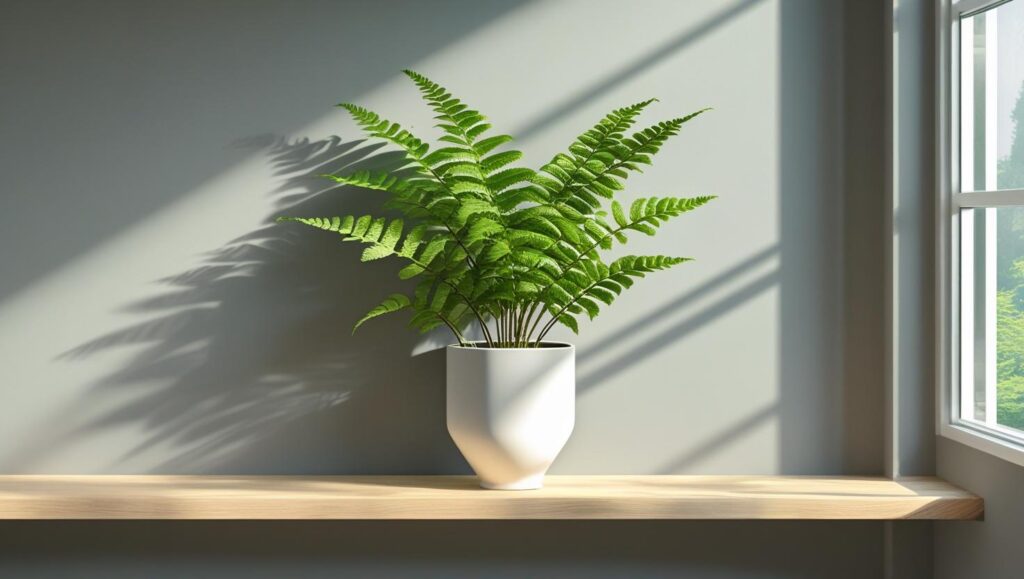
Instead of filling every shelf or windowsill, leave intentional gaps. Let a single plant stand alone on a table, surrounded by emptiness. That silence around it? That’s the secret sauce.
Negative space:
- Highlights the beauty of the plant’s form
- Creates a feeling of peace and openness
- Prevents visual overwhelm
- Encourages mindful appreciation
In short, negative space helps you feel your space—not just see it. And in a world filled with constant noise and visual clutter, that feeling is gold.
If you want your minimalist plant decor to truly pop, give it room. Don’t be afraid of “empty” spots—embrace them. They’re what make your plants look purposeful and powerful.
Minimalist Plant Containers and Accessories
Choosing the Right Pots and Planters
In minimalist indoor plant decor, it’s not just the plant that matters—it’s also what you put it in. The container you choose plays a massive role in maintaining that clean, uncluttered look. A mismatched or overly decorative pot can throw off the whole aesthetic, even if the plant itself is perfect.
Here’s what to look for in minimalist-friendly plant containers:
- Simple, geometric shapes: Round, cylindrical, or square pots work best. Avoid ornate designs or excessive patterns.
- Matte finishes: Shiny glazes can sometimes feel too flashy. Matte or raw textures offer a more grounded, modern vibe.
- Neutral colors: Stick with whites, blacks, greys, or earth tones. These shades keep the focus on the plant and blend effortlessly into minimalist interiors.
- Consistent style: Try to keep your pots within the same color family or material category throughout your space for cohesion.
Popular minimalist planter materials include:
- Terracotta: Warm and earthy, perfect for Scandinavian or Japandi styles.
- Concrete: Industrial and sleek, adds texture without overpowering the space.
- Ceramic: Classic and clean, available in matte or satin finishes.
- Metal: Great for a modern edge, especially in black or brushed finishes.
The best containers are the ones that disappear into the design—letting the plant be the star. So next time you grab a new plant, don’t just focus on foliage. Give equal attention to its home.
Using Natural and Neutral Tones
Color plays a subtle but powerful role in minimalist design. Unlike maximalist styles that thrive on bold colors and contrasts, minimalist decor leans toward a calm, muted palette. The same rule applies to your plant styling—especially when choosing accessories and accents.
Stick to the following color families:
- Whites and creams: Clean and airy, ideal for Scandinavian-inspired spaces.
- Soft greys and taupes: Add warmth without visual clutter.
- Earthy browns and beiges: Perfect for rustic or Japandi aesthetics.
- Muted greens: Echo the natural tones of the plants themselves for harmony.
- Charcoal or matte black: Offers contrast and sophistication without being overwhelming.
These natural and neutral tones help plants blend seamlessly into the decor while still standing out due to their organic shapes and textures. You can also extend this approach to plant-related accessories—like watering cans, shelves, and stands. Opt for items that feel invisible yet intentional.
Remember, your color palette is the glue that holds your minimalist plant decor together. Keep it simple, consistent, and soothing.
Incorporating Textures with Materials
Even in a minimalist setting, a bit of texture goes a long way. It prevents the space from feeling flat or sterile and adds depth without adding clutter. With plant decor, texture can come from both the plants themselves and the materials around them.
Here’s how to layer texture like a minimalist pro:
- Use different pot materials like rough concrete, smooth ceramic, or soft clay to add variety without breaking your neutral palette.
- Introduce woven baskets or macrame hangers for a boho touch that still feels grounded.
- Play with plant foliage textures—combine waxy leaves (like rubber plants) with delicate fronds (like ferns) or feathery palms.
- Add wood accents in the form of floating shelves, stool-style plant stands, or raw wood trays under your pots.
The key is to mix textures without mixing styles. Keep your color scheme minimal, but don’t be afraid to bring in tactile variety. That way, your space feels cozy and interesting, while still true to the minimalist ethos.
Conclusion
Minimalist indoor plant decor isn’t about cramming greenery into every nook and cranny—it’s about curating a clean, peaceful environment that still feels alive and connected to nature. By choosing the right plants, containers, and placement, you can elevate your space from ordinary to serene sanctuary.
Whether you’re living in a tiny apartment or designing a spacious loft, minimalist plant styling adapts to your needs. You don’t need a dozen plants—you just need the right ones, styled with care and intention.
So take a breath, look around your space, and imagine where a little green life might fit in. Just one plant—placed perfectly—could change everything.
FAQs
1. What are the best plants for minimalist decor?
Fiddle leaf figs, snake plants, ZZ plants, pothos, and aloe vera are all excellent choices. They offer visual impact without requiring too much maintenance.
2. How can I decorate with plants without cluttering my space?
Use one or two statement plants, stick to neutral pots, and allow plenty of negative space around your greenery. Keep groupings minimal and intentional.
3. What pots go best with minimalist styling?
Look for matte ceramic, terracotta, or concrete pots in neutral tones like white, beige, or grey. Simple shapes like round or square are ideal.
4. Are there any safe plants for homes with pets?
Yes! Try areca palms, calatheas, spider plants, and peperomias. Always double-check safety for pets, especially cats and dogs.
5. How do I care for indoor plants in a minimalist setup?
Stick with low-maintenance plants, place them in well-lit spots, and avoid overwatering. Minimalist care is all about consistency and simplicity.