
Quick answer: this glossy, forgiving green has earned its spot in Aussie homes and offices thanks to three clear wins. It thrives in low light, forgives missed watering, and keeps a polished look year-round.
Think of it as your set-and-forget green buddy. If you rent or juggle a busy life, this choice fits. It suits compact living, bright corners and shaded desks alike.
We’ll cover where to place one, how to water, soil tips and easy fixes for common issues. You’ll also get a quick safety note: keep it out of reach of pets and small children, since leaves can irritate if chewed.
By the end, you’ll have a simple routine to keep your new green healthy — one you can actually stick to, even on hectic weeks 😉
Table of Contents
Key Takeaways
- Handles low light and missed waterings with ease.
- Gives a stylish, glossy look for modern homes and offices.
- Perfect for busy people, renters and first-time plant owners.
- Simple soil and watering rules make care stress-free.
- Keep away from pets and children due to mild toxicity.
Meet the ZZ Plant: Zamioculcas zamiifolia at a glance
Meet a hardy indoor favourite that suits busy Aussie living and office corners.
Simple to own, striking to look at. This species shows glossy pinnate leaves on stout stems. It thrives where light is modest and watering is occasional. Its tolerance comes from thick rhizomes that store water — a legacy of drought-prone Africa.
Why Australians love it: it fits small spaces, lifts living zones, and copes with irregular care. That reliability makes it a top choice for apartments and shared workspaces. 😊
From Africa to global shelves
Nurseries in South Africa and Dutch growers helped spread this species worldwide in the 1990s, especially after 1996. The result: wider availability and steady popularity in homes and offices across Australia.
| Feature | Quick note | Best for |
|---|---|---|
| Light tolerance | Low to bright indirect | Hallways, desks |
| Water needs | Infrequent; dry between waterings | Busy households |
| Growth habit | Slow, upright | Small pots, corners |
Decide your starting point: prefer looks first or care simplicity first? Either way, this option fits most indoor conditions and makes living spaces feel calmer.
What is special about a zz plant: the traits that make it a standout houseplant
Simple needs hide smart biology: thick rhizomes, upright stems and waxy leaves make this an indoor winner. You get toughness without bulky care rules. That mix answers the search for what is special about a zz plant in practical terms.
Low-light tolerance without the drama
The species handles low light well. In a dim corner, expect steady, slow growth and fewer new leaves.
Near a bright window with indirect light it will fill out more and show healthier new growth. Watch for pale leaves — that means it wants more indirect light, not direct sunlight.
Drought resistance from chunky rhizomes
Thick, potato-like rhizomes store moisture so you can skip a week or two without panic. They act like an internal water bank during busy weeks.
This ability to store water reduces root rot risk when you follow simple dry-between-watering rules. It’s why many keep one in a pot and forget frequent watering.
Glossy leaves that brighten a room
Waxy, dark green leaves reflect available light and make small rooms feel brighter. They also wipe clean easily, so dust won’t dull their shine.
Slow, steady growth that suits small spaces
Growth stays measured. Expect an upright, sculptural habit that fits tight corners, desks and compact pots.
That predictability helps you plan space without frequent repotting or pruning.
For a simple care plan and placement tips, see our full indoor guide: ZZ care essentials 😊
Benefits of keeping a ZZ plant indoors
An easy-care specimen gives living spaces a steady, restorative presence.
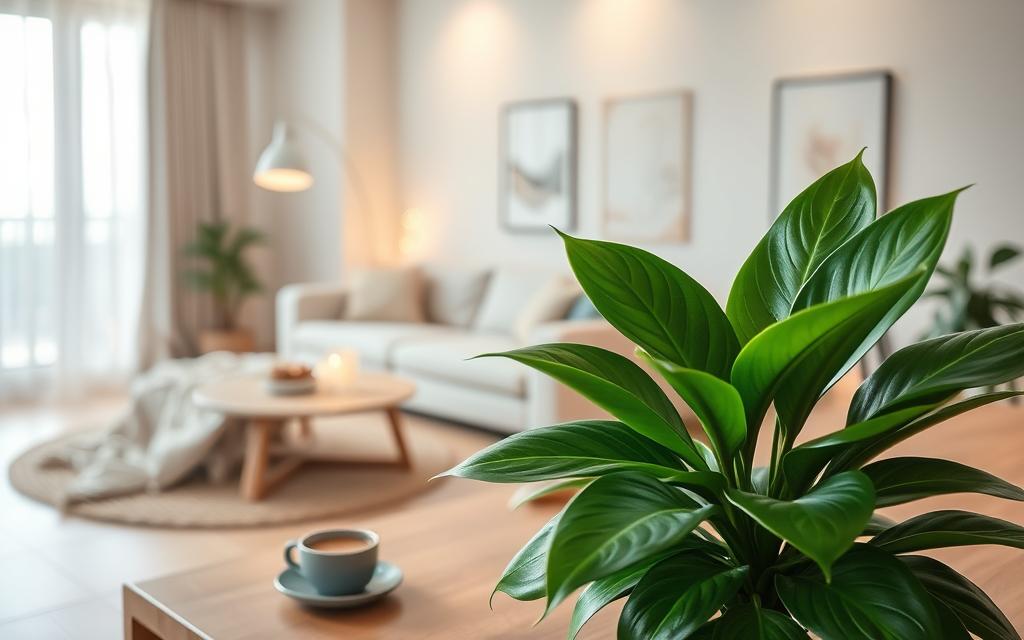
Real benefits: this greenery helps lift mood, fills corners without fuss and acts as a calm visual anchor in busy rooms.
Air-cleaning potential
The species has been cited in NASA-style studies for reducing VOCs such as benzene, xylene and toluene. Plants can support indoor air quality, but they do not replace proper ventilation or filtration.
Calmer home vibe and better focus
Greenery eases visual clutter and can lower stress cues. In an office, a tidy specimen helps you stay steady and focused during long tasks.
Style versatility: the quiet hero
Quiet, glossy leaves and upright form suit modern interiors. Use this specimen as an entry console accent, lounge corner anchor, shelf group focal point or reception highlight.
| Benefit | Practical effect | Best spot |
|---|---|---|
| Air support | Helps reduce VOCs (benzene, xylene, toluene) | Near living or work zones |
| Low upkeep | Fewer chores, tolerant of missed water | Hallway, shelf, desk |
| Design anchor | Creates calm, polished look | Entry, lounge, reception |
For more ideas on indoor greenery and placement, see our indoor greenery guide.
Best places to put a ZZ plant inside your home
Pick spots that match the light in your home so this glossy green can thrive with little fuss. Use simple spot checks: how bright is the room, how close is the window, and does the afternoon sun hit hard?
Low light vs bright indirect light: choosing the right spot
Low light suits hallways, north-shaded rooms and many apartments. Growth will be slower and stems stay tidy. Leaves may form fewer new pairs, but the specimen stays healthy with minimal care.
Bright indirect light suits living rooms near filtered windows or rooms with sheer curtains. Expect faster growth, denser leaves and a glossier finish. If space allows, rotate it occasionally for even stems.
Where to avoid: harsh sun and environmental stress
Avoid hot direct sunlight that can scorch leaves and fade colour. Also steer clear of heater grills, dryer vents and strong air con blasts — these create swingy conditions that stress roots and leaves.
- Spot-checks: move it 1–2 metres closer to filtered natural light if growth looks sluggish.
- Good Aussie spots: shaded verandah-adjacent rooms, south-facing corners, office floors with fluorescent light.
- Avoid: windows with strong afternoon sunlight, heater/air con zones, and narrow hot windowsills.
If it looks okay but not thriving, try the 1–2 metre move for a month and reassess. This simple change often restores leaf density and vigour quickly. 😊
Light, temperature and indoor conditions for long-term growth
Careful use of daylight and gentle room warmth will reward you with balanced stems over months. Follow a few simple rules and you’ll avoid common stress that slows growth.
Using natural light well in Australian rooms
Aim for bright but not beaming sun. East or north-facing windows with sheer curtains are ideal.
If your spot is dim, growth will slow. That’s normal — expect steady, measured progress rather than a fast burst.
Comfort range indoors and what stresses the plant
Comfort: 15–25°C and stable humidity. Avoid hot vents, cold drafts and direct afternoon sun.
Stress triggers: sudden temperature swings, dry heater air and constant airflow from vents.
How to keep stems growing evenly with simple rotation
Turn the pot 90° every two to four weeks for balanced stems. If stems lean, move it a metre closer to filtered light for a month.
Quick troubleshooting: stretched stems mean it needs more indirect light; dull leaves suggest dust or too-dark conditions.
- Two under-one-minute tips: rotate the pot and check leaf shine and stem posture.
- For ongoing low-maintenance care, see our low-maintenance care page.
| Factor | Ideal range | Action |
|---|---|---|
| Light | Bright natural light, filtered | Sheer curtain or 1–2 m from window |
| Temperature | 15–25°C | Keep away from vents and radiators |
| Airflow | Gentle, stable | Avoid constant drafts from AC/heater |
| Rotation | Every 2–4 weeks | Turn 90° for even stems |
Watering and soil: the simple care routine that prevents root problems
Healthy roots start with the right pot, mix and a strict dry-before-watering habit. Follow a clear routine and you’ll avoid the number one killer: soggy soil and rotten roots.
When to water
Only water when the top and mid soil feel fully dry. Use the finger test: push your finger 3–5 cm into the mix. If it’s dry, it’s time to water.
Another quick check is pot weight. A light pot usually means the mix is dry and ready for water plant care.
How often in practice
Expect long gaps between waterings: often several weeks in moderate indoor light. In brighter, warmer spots you may water more often. In winter, extend the months between watering.
Soil and drainage
Use well-drained potting mix. Cactus or succulent blends plus added perlite improve drainage and oxygen around roots. Good drainage stops soggy soil and lowers root rot risk.
Choosing a pot
Pick pots with drainage holes. Avoid overpotting; slightly root-bound is fine and often better. Repot every couple of years or when roots crowd, the pot rocks, or water runs straight through.
Feeding
Feed monthly during the growing season with a balanced liquid fertiliser (20-20-20). Less is better than more—overfeeding stresses roots.
- Mini care checklist: finger test, pot weight, well-drained mix, drainage hole, feed monthly.
- Typical timing: check every few weeks and adjust for light and season.
| Topic | Practical tip | Timing |
|---|---|---|
| When to water | Soil fully dry; finger test or pot weight | Weeks between watering |
| Soil mix | Cactus/succulent blend + perlite | One-off at potting time |
| Pot choice | Drainage holes; avoid overpotting | Repot every 2–3 years |
| Feeding | Liquid 20-20-20 | Monthly during growing season |
Common ZZ plant issues and easy fixes
Common care hiccups are easy to fix once you can read the signs. Scan leaves and stems regularly. Small checks save time and stress.
Yellowing leaves and soft stems
Symptom: yellowing leaves and soft, mushy stems.
Cause: overwatering and poor drainage.
Fix: pause watering, lift the pot to check drainage, let the mix dry. If roots smell or feel rotten, repot into fresh, well-drained mix and trim dead roots.
Leggy growth
Symptom: stretched stems and sparse leaf pairs.
Cause: not enough indirect light.
Fix: move the plant gradually to a brighter spot with filtered sun. Rotate the pot every few weeks for even growth.
Dusty leaves
Dust blocks light and dulls the glossy finish. Wipe each leaf gently with a damp cloth to restore shine and improve light absorption.
Pests and disease resistance
These plants resist most pests, but check for scale, mealybugs and spider mites. Isolate affected specimens and treat with mild soap spray or neem oil. Inspect newly bought stock before adding to your collection.
- Diagnose fast: yellow leaves = too much water; leggy stems = low light; dusty leaf surfaces = wipe clean.
- When to repot: persistent rot or compacted mix after treatment.
- Need more help? See common issue guides for detailed steps: troubleshooting problems and general air care tips: air-purifying care.
| Symptom | Likely cause | Quick action |
|---|---|---|
| Yellow leaves, soft stems | Overwatering, poor drainage | Stop watering, check pot holes, repot if rotting |
| Long, sparse stems | Insufficient indirect light | Gradual move to brighter spot, rotate regularly |
| Dull, dusty leaves | Surface dust reduces light | Wipe with damp cloth, check leaf underside |
| Sticky residue / cottony spots | Pests (scale, mealybugs) | Isolate, clean, treat with soap or neem |
Is the ZZ plant toxic? Safety for pets, kids and handling
Quick safety summary: mild toxicity means common-sense placement and careful handling.
What poisonous means in daily terms: all parts contain calcium oxalates. Chewing or swallowing can irritate the mouth, cause drooling and upset tummies in pets or children.
How the irritation typically appears
Calcium oxalates form tiny crystals that sting soft tissue. That leads to soreness, swelling or mild vomiting if eaten.
Serious systemic poisoning is rare. Past rumours about cancer links are unfounded. Treat reactions as irritation rather than long-term toxicity.
Safe placement in family homes
- Use higher shelves or tall plant stands to keep out of reach.
- Place in rooms pets don’t enter or behind baby gates when necessary.
- Choose a protected corner rather than low coffee tables or toddler zones.
Handling, pruning and propagation safety
Wear gloves if your skin is sensitive. Avoid rubbing your eyes after handling leaves or cuttings.
Wash hands after pruning, repotting or working with leaf cuttings. Keep fresh cuttings in a closed tray while they root and out of reach.
| Concern | Practical effect | Simple action |
|---|---|---|
| Chewing by child or pet | Mouth irritation, drooling, tummy upset | Remove item, rinse mouth, call vet or Poisons Info if severe |
| Skin sensitivity | Mild rash or irritation | Wear gloves, wash skin with soap and water |
| Propagation (cuttings) | Handling sap and leaves | Use gloves, keep cuttings on high bench until rooted |
Calm takeaway: you don’t need to ditch this houseplant. Use smart placement, sensible handling and basic hygiene. For more detail, read our short toxicity guide and you’ll keep the look without the risk.
Conclusion
Let’s sum up the core wins so you can keep care simple and steady.
Hardy, glossy and forgiving — that’s the simple verdict on what is special about a zz plant. It handles low to bright indirect light, likes well-draining soil and only needs watering when the mix is dry.
For beginners, follow this short routine: check the soil, water sparingly, rotate the pot now and then and wipe leaves to keep them glossy.
Benefits include style, calm vibes and modest air-support, making it a smart addition to Aussie homes and offices.
Keep specimens out of reach from curious pets and kids. Ready to act? Choose a spot, set a reminder and do a quick soil check today — your houseplants will thank you 🙂
For more on care and value, read our detailed guide.