
Short answer: Your striped little succulent prefers bright, filtered light rather than harsh all-day rays. Place it where it gets gentle morning sun and bright indirect light the rest of the day.
Look for a compact, firm rosette with good colour. If the leaves stretch or show brown patches, the plant is asking for a light change. Healthy succulents keep shape and hue.
These slow-growing houseplants act differently from desert cacti. Their leaves can scorch in intense afternoon heat, but they do well in bright windows and sheltered balconies around Australia.
In this guide you’ll learn where to position pots, how to increase exposure safely, and why changes to light will alter watering rhythm. The simple rule: gentle morning rays plus bright filtered light beat harsh, all-day direct sunlight for most plants. 🌿
Table of Contents
Key Takeaways
- Gentle morning rays plus bright indirect light suit these succulents best.
- Healthy leaves are compact, firm and richly coloured — use this to self-check.
- Avoid strong afternoon rays to prevent scorching on windows that face west.
- Introduce more light slowly and watch how the plant and soil react.
- Light levels affect watering — brighter spots dry soil faster, reducing rot risk.
Understanding Haworthia light needs in today’s homes
You’ll find that some succulents prefer dappled light over constant, harsh glare. In nature, many grow tucked beneath rocks or shrubs. That shelter explains why they tolerate modest indoor light conditions.
Why they tolerate shade
Smaller rosette plants evolved under cover. They rarely face long blasts of direct sunlight. That makes them friendlier to many Aussie apartments and shaded patios.
What bright indirect light looks like
Think: near a bright window but out of the beam, behind a sheer curtain, or stepped back from glass. Those setups give strong, softened light rather than harsh rays.
Quick phone shadow test & signs
- If the plant casts a soft, fuzzy shadow, the spot is usually bright indirect; a sharp shadow means direct sunlight.
- Happy signs: tight rosette, steady colour and slow, steady growth.
- Warning signs: pale, stretched leaves in low light or bleached patches when light is too intense.
Rotate your houseplant every few months so one side doesn’t lean toward the window — it keeps growth balanced.
For more tips on easy care and positioning, see low-maintenance plant care.
Does haworthia need full sun?
Most striped succulents favour bright, filtered rays rather than relentless daytime glare. Most varieties don’t require all‑day direct sunlight, and in many Australian settings late afternoon heat is simply too intense for their leaves.
When direct morning sun helps growth
Cooler morning rays promote compact growth and richer colour without the scorch risk of later heat. A few hours of gentle early light often reduces stretching and keeps rosettes tight.
Why hot afternoon rays can scorch leaves
Scorch shows as bleached, crispy or washed‑out patches on foliage. Behind glass, heat builds and magnifies radiation, so damage happens faster than outdoors.
“If leaves turn white, red or yellow, they’ve likely had too much intense exposure.”
Which species handle stronger light — and which can’t
Species vary. Some, like H. bolusii, tolerate brighter conditions and even short periods of harsher rays. Most, however, prefer bright filtered light with protection from late‑day glare.
- Start in bright indirect light, then trial a little morning sun for a week or two.
- Watch leaves for colour shifts; adjust placement gradually.
Quick prompt: if unsure, err on the side of gentler light and move the plant toward stronger exposure stepwise. That balance keeps your succulents healthy in local conditions.
Best window positions in Australia for healthy, compact growth
Window choice shapes how compact and colourful your rosette will grow. Pick a spot with steady, filtered light rather than blasting rays. The aspect matters more in Australia because of our southern‑hemisphere light angles.
East-facing windows for gentle morning sun
East windows give soft morning warmth. Start here for a few hours of gentle sunlight, then move the plant back to bright indirect light for the day. This often keeps leaves compact and colour vivid.
West-facing windows and managing late-day heat
West-facing glass brings hotter late-day light. Pull the pot away from the pane or add a sheer curtain to reduce intensity.
In summer, improve air circulation so heat doesn’t build and stress the plant.
South-facing light for steady brightness without harsh rays
South-facing spots are low-stress. They provide steady brightness that suits many houseplants and helps avoid leaf scorch. This is a reliable option in bright rooms.
North-facing windows and when to use sheer curtains
North windows often deliver the strongest light and heat. Use a little distance from glass or a sheer curtain during hot months to prevent scorch.
Quick setup checklist: stable spot, no direct blasts from heaters or air con, and gentle air movement so the potting mix dries predictably.
How to acclimatise Haworthia to more sun without sunburn
Introduce brighter daylight in stages so your rosette plants adjust safely. A slow change helps prevent burnt or bleached leaves and keeps growth steady.
A gradual move outdoors over a few weeks
Two to four weeks is a safe timeline. Start with a day or two in full shade, then add short bursts of early sunlight.
Increase exposure every few days. If colour shifts appear, pause and hold that level for more days before you continue.
Patio, porch and deck placement during frost-free periods
Choose spots that give bright but sheltered light. A covered patio, morning-lit porch or a deck with afternoon cover works well in Australian summer.
Good airflow reduces heat build-up and supports steady watering routines.
What sun stress looks like: red, yellow or white leaves
Early warning: leaves that turn red, yellow or white signal too much exposure. Move the pot back to gentler light conditions at once.
“If colour changes show up, hold or step back — don’t rush the next stage.”
- Big risk: shifting a plant straight from indoor light to outdoor sunlight — this causes rapid leaf burn.
- Pause rule: if signs appear, wait several days before increasing exposure again.
- Patience pays: well‑acclimatised succulents often produce more offsets and stronger growth.
For related indoor care tips, see zz plant care indoors.
Seasonal light changes and what to do in summer vs winter
Your plant’s window spot will need small tweaks as months move from summer into winter. Light angle and day length change, so small moves keep leaves compact and healthy.
Summer: protect, ventilate, monitor
In summer the sun sits higher and glass magnifies heat. Pull pots away from hot west windows and use a sheer curtain if needed.
Increase air flow, especially at night. Good air cuts heat stress and reduces trapped moisture.
Winter: maximise daylight, reduce watering
Move plants closer to a bright window to catch shorter days. But cut back on water—lower temperature and weaker light slow drying and raise rot risk.
Avoid exposing rosettes to temperatures below 4°C (≈40°F).
Match care to the growing season
Many haworthia grow most from late winter into spring as days lengthen. Increase light slowly then, and resume a slightly higher water rhythm while watching moisture.
| Season | Placement | Air | Watering |
|---|---|---|---|
| Summer | Sheltered, out of harsh afternoon sun | Increase ventilation, night breeze good | Watch fast drying; avoid sudden heavy water |
| Winter | Closer to bright windows | Moderate air; avoid cold drafts | Reduce frequency; let soil stay drier |
| Growing season (late winter–spring) | Bright, filtered light; gentle morning rays | Good airflow supports growth | Water a little more as soil dries |
“Small, seasonal adjustments beat dramatic moves—your plants respond best to gentle changes.”
How light affects watering and root rot risk
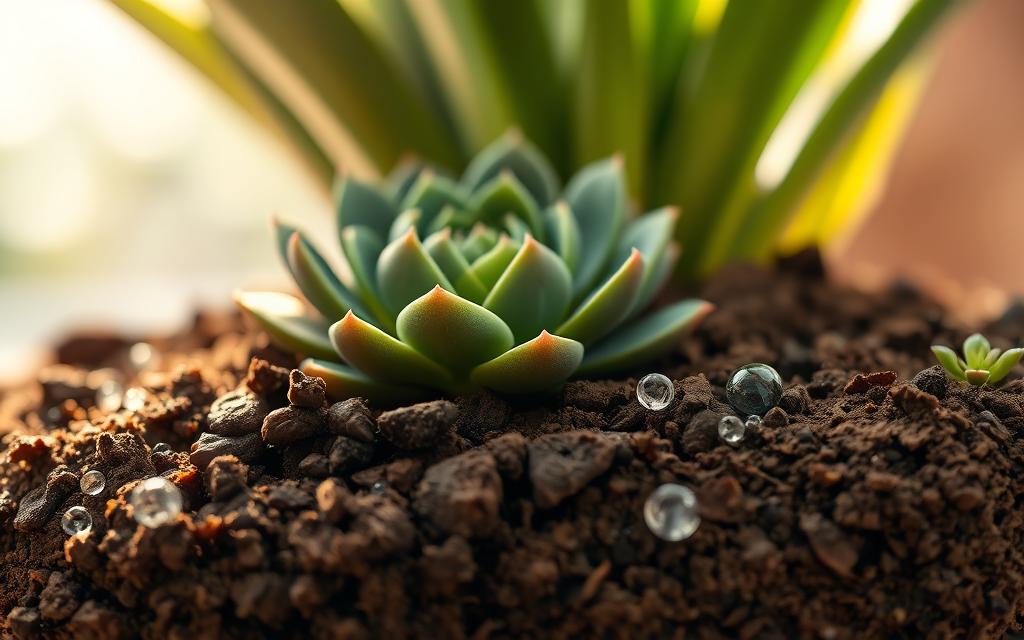
Your pot placement sets the pace for watering. Bright spots dry the mix faster, while dimmer conditions keep moisture longer. Match your watering to how quickly the top inch of soil dries — not to a calendar.
The dry-down rule you can use
Only water when the top inch (or more) of soil is dry. Push a finger in or use a moisture probe. If the mix still feels cool and damp, wait.
Why waterlogged soil suffocates roots
Wet soil fills air pockets so roots can’t get oxygen. Without oxygen, roots weaken and rot sets in quickly. That rot then spreads and harms the whole plant.
Avoid water sitting in the rosette
Never let water pool in the leaves’ centre. Even if the soil seems fine, trapped moisture can cause deadly rot in the crown and nearby roots.
What to do if you suspect root rot
- Unpot and inspect the roots. Cut away soft, dark or mushy pieces.
- Let the plant and roots dry unpotted for about seven days.
- Repot into fresh, fast‑draining soil and return to careful watering.
“Soak well when you water, let excess drain, and never leave the pot sitting in pooled water.”
For a full care guide and repotting tips, see our care guide — it covers soil mixes and drainage to match your light conditions. 🌿
Soil, potting mix and drainage to support the right light conditions
Good soil is the quiet partner that helps light and water work together for healthy growth. Where you place a pot affects how fast the soil dries, so choose a mix that matches the light level.
Choose a fast-draining cactus/succulent mix
Start with a cactus or succulent mix as your baseline — it drains quickly and keeps air around roots. In brighter spots the mix dries faster; in lower light you still want water to move through, not hang around.
Improve drainage with grit or pumice
Add perlite, pumice or aquarium gravel to boost drainage and structure. A simple blend: one part extra mineral grit to two parts standard mix keeps water moving while retaining breathability.
Pick the right pot and drainage holes
Drainage holes matter most. Always use a pot with holes so excess water can escape. Terracotta helps dry rates in humid or shaded rooms; plastic holds moisture longer.
- Avoid regular potting soil that stays wet.
- Don’t use very fine sand — it can clog pores and slow drainage.
- Repot into fresh mix every 2–3 years to restore good structure and prevent compaction.
“Fast-draining mix = water moves through, air stays in the pot, roots stay healthy.”
For step-by-step potting advice try a trusted guide on a cactus/succulent mix to match your plant and light conditions.
Temperature, ventilation and placement tips for Australian conditions
A stable, airy spot will help your succulent thrive through Australian seasons. Keep temperature swings small and match placement to the room’s typical warmth and airflow.
Comfort range and clear avoid points
Safe range: aim for about 21–35°C (70–95°F) in living spaces, and allow cooler nights down to roughly 10°C (50°F).
Avoid: near‑freezing nights around 4°C (40°F) or prolonged, oven‑like windows where heat builds with no moving air.
Why moving air matters at night
Good air movement helps the plant dry between waterings and reduces fungal risk. At night, gas exchange continues — gentle airflow supports healthier respiration.
- Keep pots away from direct heater blasts or reverse‑cycle outlets.
- Don’t tuck pots in closed corners where air is still.
- Choose a shelf or bench with a light breeze and steady temperature.
Small changes — steady temperature, gentle air flow and bright but softened light — protect growth over time.
For practical home tips and watering routines that match these conditions, see our care guide and a useful watering schedule.
Common light-related problems and quick fixes
You can diagnose most common problems in under a minute by checking leaves and soil. A fast symptom → cause → fix routine helps you act before damage spreads.
Etiolation: stretched, pale growth from low light
Symptom: long, pale leaves and a lanky rosette.
Likely cause: too little light over time.
Quick fix: move the pot closer to brighter filtered light gradually and rotate the plant for even growth. Try a brief increase in morning rays, monitoring colour every few days.
Leaf scorch and bleaching from harsh light
Symptom: bleached, crispy or washed‑out leaf patches.
Likely cause: sudden exposure to strong afternoon rays through glass.
Quick fix: shift to a cooler position or add a sheer curtain. Trim badly damaged leaves and let the plant recover in gentler conditions.
Shrivelling leaves: underwatering vs overwatering
Symptom: shrivelled, soft or limp leaves.
Reality check: underwatering can cause shrivel, but overwatering and early rot are more common. Check the top 2–3 cm of soil before you water.
Quick fix: if soil is dry, water well and let excess drain. If soil feels damp, unpot and inspect roots for rot; trim soft roots, let dry and repot in fresh mix.
Pests that take advantage of stressed plants
Symptom: white cottony spots, sticky residue or tiny flying larvae.
Likely cause: stressed plants attract pests like mealybugs; fungus gnats signal persistently wet soil.
Quick fix: isolate the plant, wipe off mealybugs with alcohol on a cotton swab, and improve dry‑down and drainage to deter gnats. For persistent infestations, repeat treatment and adjust care conditions.
- Fast triage: symptom → check soil moisture → act (move, trim, treat).
- Prevention: steady bright filtered light, correct soil and sensible watering reduce most problems and pests.
- Learn more: detailed light advice is available in our guide on light requirements.
“Catch small signs early—leaf colour and soil feel give the clearest clues.”
Conclusion
Care essentials: keep your haworthia in bright, filtered light with a few hours of gentle morning sun and avoid harsh afternoon rays.
Match placement to watering. Better light speeds dry‑down, which reduces rot risk and supports steady growth.
Mini‑checklist: bright spot, fast‑draining soil, a pot with drainage holes, and only water after the top mix dries.
Watch through the seasons and tweak placement gradually rather than shifting weekly. Small changes protect health and shape.
With steady care you’ll often see offsets and pups form over the next year or two — a lovely sign your succulents are happy and a fun way to grow your collection. 🌿