
Quick, no-drama guide: you’ll learn which common preparations can help or harm, and when to pause or see a GP.
Different products use different parts of the leaf. The clear gel is mostly for skin. The bitter yellow latex and whole‑leaf extracts can cause stronger reactions when taken by mouth.
Oral latex has been linked to cramps, diarrhoea and vomiting, and can lead to dehydration. It may also raise bleeding risk and interact with some medicines.
Regulatory bodies flagged safety concerns: in 2002 the FDA removed certain preparations from over‑the‑counter stimulant laxatives.
This section sets expectations. You’ll see who is more likely to react, what symptoms matter and simple, practical choices for safe use at home in Australia.
Table of Contents
Key Takeaways
- Know the type: gel, latex or whole‑leaf are very different.
- Oral risks: latex can cause cramps, diarrhoea and dehydration.
- Drug caution: it may increase bleeding risk and interact with medicines.
- Regulation note: safety concerns led to changes in OTC laxatives in 2002.
- Practical tip: patch test topical products and check labels; see a GP if unsure.
Understanding aloe vera products before you use them
Labels matter: different manufacturing steps create very different products and risk profiles. Read the pack to see which part of the leaf was used and how it was processed.
Aloe vera gel, latex and whole‑leaf extract: what you’re actually taking
The leaf has two main inner liquids: a clear pulp (the gel) and a bitter yellow latex that contains anthraquinones.
Gel is the clear inner pulp and is usually gentler when applied to skin. Latex behaves more like a stimulant laxative when taken by mouth.
Whole‑leaf extracts can include gel plus latex and rind unless they’re specially processed.
Why “juice” can mean different things on Australian labels
“Juice” on the shelf might be mostly filtered gel, or it might be a whole‑leaf extract. That matters because the latter can still contain latex compounds that raise gastrointestinal risk.
“Decolourised whole‑leaf” usually means manufacturers have filtered out much of the latex, but it isn’t a complete safety guarantee for everyone.
How processing changes risk, including decolourised whole‑leaf extracts
Look for label cues: “inner fillet,” “whole leaf,” or “decolourised whole‑leaf”. These terms tell you the likely type and level of latex.
- Quick checklist: inner fillet = mostly gel; whole leaf = gel + latex; decolourised = filtered to reduce latex.
- Drinks often add water, flavours and small amounts of vitamins like vitamin C. That does not remove latex‑related risk.
Knowing the product type is the simplest way to lower avoidable risk and to pick the right item for skin care or oral use.
Aloe vera side effects on skin and when topical use can backfire
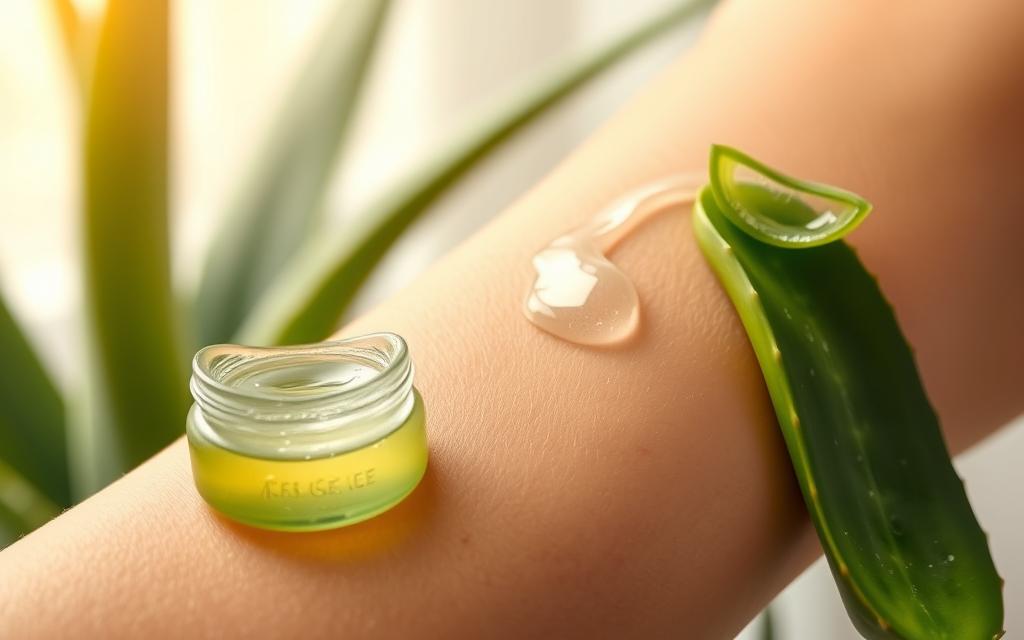
What feels soothing for one person can cause persistent redness or a burning rash for another. Start small: test a dab on inner forearm for 24 hours before broader use.
Irritation, stinging and allergic contact dermatitis
You may notice mild stinging, redness or itching after applying gel. These are common, short-lived signs of irritation.
Allergic contact dermatitis looks worse: itchy, scaly patches or persistent redness that do not ease after a wash. Studies report true allergy in a minority of users (Klein & Penneys; Ferreira).
Hives and sensitivity reactions: when to stop immediately
If you get hives, swelling, widespread rash or increased pain, stop and rinse the area. Seek urgent care for facial swelling or breathing trouble.
Why it may not suit infected skin or some open wounds
Avoid applying gel to oozing or infected sores. Occlusion can trap bacteria and slow recovery.
When topical use can delay wound healing
Research has flagged delayed wound healing with some dermal wound gels and poorer burn outcomes in experimental work (Schmidt & Greenspoon; Kaufman).
Extra caution after procedures and on compromised barriers
After peels, dermabrasion, heavy exfoliation or eczema flares, your barrier is fragile. Prefer simple cleansing and dressing until the skin has begun to repair.
| Reaction | What to look for | What to do |
|---|---|---|
| Irritation | Mild sting, redness, short-lived itch | Rinse; stop if it persists |
| Allergic dermatitis | Itchy, scaling rash, persistent redness | Stop use; see GP or dermatologist |
| Hives / swelling | Raised welts, facial swelling, increased pain | Stop, rinse, seek urgent care if breathing affected |
| Infected wounds | Oozing, warmth, spreading redness | Avoid topical gel; clean and seek medical care |
Oral aloe vera side effects from juice, capsules and “detox” drinks
Some internal preparations deliver bitter plant latex that acts like a stimulant on the bowel. That latex is the main reason oral use is higher risk than topical gel.
Cramping, diarrhoea, vomiting and dehydration linked to latex
Latex‑containing juice or extract can cause severe cramps, watery diarrhoea and vomiting. These symptoms can lead to rapid dehydration, especially if you keep using the product.
Electrolyte loss and low potassium: what it can feel like
Prolonged diarrhoea may lower your potassium. Low potassium can leave you weak, dizzy, crampy or with palpitations.
If you feel unusually tired, have muscle cramps or an odd heartbeat after taking a drink or capsule, stop and seek advice. Low potassium can affect blood pressure and make some medicines unsafe.
Liver and kidney risks reported with oral preparations
There are published reports of acute hepatitis and kidney injury after oral use of certain extracts. Concentrated products and some regional aloes have been linked to these harms.
Why the FDA removed it from OTC stimulant laxatives
The FDA withdrew aloe from over‑the‑counter stimulant laxatives in 2002 due to safety and standardisation concerns. That decision signals that oral preparations need careful scrutiny, not casual use.
“Natural” does not always mean gentle — concentrated oral extracts can carry real health risks.
Quick take: juice and detox blends may cause strong laxative‑style effects. If you develop severe GI symptoms, dizziness or signs of dehydration, stop and get medical help — especially if you have other health conditions or take medicines that affect potassium.
Who should avoid aloe or speak to a doctor first
Before you try an oral plant product, check whether it fits your situation. Some people face higher risk from internal use and should talk with a GP or pharmacist first.
Pregnancy and breastfeeding considerations
Oral aloe vera is not recommended in pregnancy. Latex compounds can stimulate the uterus and raise miscarriage risk.
Breastfeeding: there isn’t enough evidence to call it safe. Ask your doctor about safer options for constipation or skin care while feeding.
Children, older adults and people with gut conditions
Kids and older people dehydrate faster. Laxative effects can cause harmful electrolyte shifts in these bodies.
If you have IBS, IBD or persistent reflux, oral products with latex may worsen symptoms. Discuss alternatives with your doctor.
Diabetes, heart conditions and kidney disease: higher-risk groups
Oral use can alter blood sugar and lower potassium. That raises real risk for people with diabetes, heart or kidney conditions.
If you take medicines that affect potassium or your heartbeat, speak to a clinician before trying any internal extract.
- When to get same‑day care: severe abdominal pain, faintness or clear dehydration.
- Next step: your GP or pharmacist can advise safer products or better alternatives.
| Who | Why caution | What to do |
|---|---|---|
| Pregnant people | Uterine stimulation risk from latex | Avoid oral use; see a doctor for constipation care |
| Children & older adults | Fast dehydration, electrolyte vulnerability | Prefer non‑oral options; ask pharmacist |
| Gut conditions | May worsen IBS/IBD or reflux symptoms | Check with GP before use |
| Diabetes / heart / kidney disease | Blood sugar and potassium effects | Speak to clinician; review medicines |
For more general guidance on product safety, see aloe safety notes. If you’re unsure, ask your doctor — that quick check can prevent bigger problems.
Medication interactions and health risks to watch for
Herbal products can change how your prescriptions behave — sometimes in surprising ways. If you take regular medicines, it pays to learn the common interaction patterns so you can stay safe.
Blood thinners and bleeding risk
Oral forms may slow clotting. That can increase bruising, nosebleeds or surgical bleeding. Many clinicians advise stopping oral aloe vera about two weeks before planned surgery.
Diabetes medicines and low blood sugar
Double drop can occur when a plant extract lowers glucose while your drugs do the same. Watch for dizziness, sweating or shakiness and check levels more often if you try a new product.
Diuretics, digoxin and potassium loss
Some extracts can reduce potassium. Combined with diuretics or digoxin this raises the risk of dangerous low potassium and irregular heartbeat.
Absorption and timing issues
Faster gut transit can cut absorption of tablets and capsules. That may make medicines less effective — or change how quickly they act.
“If you take prescriptions, a quick pharmacist chat beats a risky guess.”
- Key actions: avoid oral use before surgery; monitor blood levels if you have diabetes.
- If you take diuretics or digoxin: treat with caution and check potassium.
- When unsure: ask a pharmacist before you use aloe vera juice or capsules and consult your clinician.
For a clear drug-interaction summary, see the aloe interactions guide. Small checks now save big problems later.
How to use aloe more safely for skin care and minor burns
A short cool-water rinse is the most important first step for any minor burn before you even think about a gel. Run cool (not icy) water for 10–20 minutes. That reduces heat and pain right away.
After first aid, patch testing helps prevent new irritation. Choose a small, clean area on your inner forearm. Apply a pea‑size amount and wait 24 hours. Stop and wash off if you get itching, redness or swelling.
Picking products that actually help
Look for products where aloe vera gel is a main ingredient, not buried behind alcohol or perfume. Simple formulas with few extras lower risk for sensitive skin.
Realistic uses for sunburn, acne and dry scaly conditions
Vera gel can soothe mild sunburn discomfort and calm redness. It may also help inflammation linked to acne and ease itch in eczema or psoriasis when used alongside proven treatments.
Remember: this is comfort and support, not a replacement for medical treatment for severe acne or flares.
“Patch test first, keep routines simple, and don’t expect overnight miracles.”
When to seek professional care first
Don’t use gel on large, blistering or deep burns, suspected frostbite, infected sores or wounds. Seek prompt medical care for these cases — topical comfort should never delay proper treatment.
| Use | When OK | When to avoid / seek care |
|---|---|---|
| Minor sunburn | After cooling; to soothe redness | Large blistering burns — see clinician |
| Acne redness | As a calming adjunct to treatment | Active infected pimples or worsening pain |
| Dry psoriasis / eczema | Short‑term soothing for itch | Open, weeping skin or severe flare — get a prescription |
For safe facial use and product ideas, see aloe vera for face. Keep routines minimal and stop if irritation or increased pain appears.
Conclusion
Usage matters — topical comfort and oral risk are not interchangeable outcomes.
Topical gel is generally gentle for your skin when you patch test and use simple products. But oral, latex‑containing extracts carry higher gut and electrolyte risks and were removed from OTC stimulant laxatives for safety reasons.
Key effects to remember: mild irritation or allergic rash on the skin, and cramps, severe diarrhoea, weakness or palpitations after internal use. Watch for unexplained bruising or any unusual blood loss.
Healing can be supported by gentle topical care, but never use plant gel in place of proper wound treatment for deep or infected wounds.
Rule of thumb: read labels first, start small, patch test, keep routines simple — and if symptoms escalate, get medical advice. When matched to the right product, you can explore aloe vera safely and confidently.