
How often should you water your houseplants? It’s the million-dollar question Aussies ask. The honest answer is “it depends”. That’s good — you can learn a simple, reliable system.
Watering frequency changes with species, light, pot size and soil mix. Season, temperature and humidity also alter how fast the soil dries. Most losses come from overwatering, and that often looks like underwatering.
Use quick soil checks rather than a strict calendar. Your indoor plant watering schedule should follow moisture, pot setup and home conditions — not guilt or habit.
In this guide we’ll cover why roots need air, fast ways to check soil, how Aussie seasons and heating affect dry-down, and ten easy rhythms you can try today.
As you read, pick the 2–3 plants you own and follow those rhythms first. Think calm: water well, not often. 🌿
Table of Contents
Key Takeaways
- Water based on soil moisture, not just days on a calendar.
- Most deaths come from overwatering; learn quick checks.
- Pot size, light and season change how fast soil dries.
- We give ten beginner schedules as weekly-style checks.
- Start with 2–3 species you own and adjust gently.
Why a watering schedule matters more than watering often
A reliable routine comes from watching how fast the soil dries in your home, not from a fixed calendar. That habit keeps the roots healthy and the rest of the plant thriving.
How roots “breathe” and why soggy soil leads to rot
Roots take up oxygen through tiny air pockets in the mix. When the soil stays sodden, those pockets vanish and roots suffocate.
Without oxygen, roots rot. The result is weaker growth and shorter life for your plants.
Why overwatering can look like underwatering
Droop and yellow leaves happen with both dry mix and rotten roots. Always check the soil before you add more water.
What “even watering” means
Even watering means wetting the whole root ball — every side and depth — not just the centre. That prevents dry pockets and encourages balanced growth.
- Aim for a repeatable routine that follows how fast your mix dries where you live.
- Good timing fails if there’s no drainage; excess water must escape the pot.
Are you watering because the calendar says so—or because the soil says so?
| Issue | Cause | Quick fix |
|---|---|---|
| Soggy base | Poor drainage | Repot with holes + coarser mix |
| Yellow leaves | Too wet or too dry | Check soil depth then adjust |
| Patchy growth | Uneven wetting | Water slowly around whole pot |
Set up your indoor plant watering schedule using a simple moisture check routine
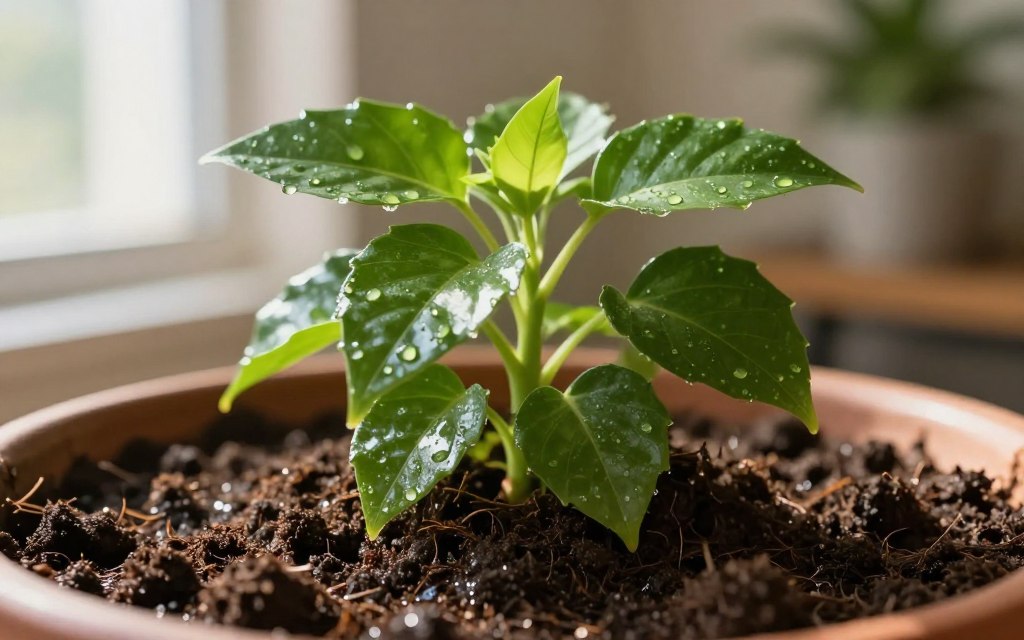
Make checks your default: short tests tell you if the mix really needs a drink. Check first, then decide — that turns care into a habit, not a guess. 🌿
The finger test for small pots and what depth to aim for
For small pots, push your finger about a finger length in. Aim at least halfway down the pot if you can.
If the mix feels dry to the second knuckle, it needs water. If it feels slightly damp, wait and check again in a few days.
Using a moisture meter for larger indoor plants
For bigger pots, a meter helps with size and depth you can’t reach by hand. Insert near the root zone and test a couple of spots.
Use the meter as a guide, not an oracle — combine its reading with how the soil looks and feels.
The lift test to read moisture by pot weight
Lift a pot right after a thorough soak to learn the heavy baseline. Compare that feel over time.
When it lightens noticeably, the mix is drying and it’s time to water again.
What to do when the top soil is dry but the pot is still wet underneath
This common trap happens when water pools at the base. Resist the urge to add more water — that causes rot.
Instead, improve airflow, move to brighter spots and check drainage. Wait until the lower mix dries before the next drink.
- Choose your method: finger for small pots, meter for large pots, lift for anything you can safely pick up.
- Schedule checks rather than fixed watering days — more reliable than guessing frequency.
Home conditions in Australia that change watering frequency
Every room creates its own microclimate, and that microclimate sets how often you check the soil. Small differences in light, heat and airflow change dry-down time and the plant’s growth.
Light levels and why brighter spots dry faster
Brighter positions speed evaporation. A pot in direct or strong filtered light will dry faster than the same pot in a shady corner.
Check bright spots more often; back off in low light so you don’t overdo the next soak.
Summer heat, winter slow-down and modern homes
In summer, higher temps push moisture out of the soil and increase frequency of checks and drinks.
In winter growth slows and the mix holds moisture longer. That raises the risk of overwatering if you treat both seasons the same.
Aircon can lower room humidity and make leaves transpire more, while heaters dry air and trick you into thinking roots need more water.
Humidity and airflow: when a humidifier helps (and when it doesn’t)
Higher humidity reduces leaf loss and supports tropical foliage, but it doesn’t cure soggy soil. A humidifier helps leaves, not root rot.
Tip: when weather shifts—heatwave or cold snap—check soil closely for two weeks and adjust your routine.
“If you moved your plant recently, treat it like a new microclimate and reset your check rhythm.”
For a quick refresher on routines, see our indoor plant watering schedule.
Pot, soil and drainage basics that make schedules reliable
A predictable pot-and-soil setup makes your care routine reliable and reduces guesswork. When the container and mix behave the same way, your checks tell the truth and you avoid surprise problems.
Drainage holes and saucers: keep water moving away
Drainage holes stop water building up at the base and save the roots from sitting in wet mix. Use a saucer, but empty it after each soak.
Tip: lagging water in a saucer means the pot is effectively in a puddle. Lift and drain straight away.
Material matters: terracotta vs plastic vs glazed
Terracotta breathes and dries faster. Plastic and glazed pots hold moisture longer. Choose the type to match your room and how often you check.
Size and root-ball balance
A pot that’s too large leaves lots of wet soil around a small root system. That extra wet time raises rot risk, especially in cooler months.
Soil mix, top-dressing and fast-drain options
Heavier mixes hold water for longer. Chunky mixes drain faster. Top-dress with moss, bark or rock for looks—but expect slower surface evaporation.
Lava rock drains well and speeds dry-down if you want less wet time.
Quick checklist: drain hole present, saucer emptied, pot material noted, and mix type understood.
How to water correctly so your schedule actually works
A good pour does more than wet the top — it reaches the whole root zone and makes your routine work. Do that and your checks match reality.
Top vs bottom and where they backfire
Top water with steady flow until water drains freely. That ensures even wetting of the root ball and removes salt build-up near the surface.
Bottom water (tray soak) helps hydrophobic mixes and tiny pots. But repeated use can cause mineral build-up and leave upper roots dry.
Soak watering to reset a dried mix
Use a sink, tub or backyard: submerge the pot base for 10–30 minutes. Let bubbles stop, then lift and drain fully. Use this as a reset when the mix is very dry.
Self-watering pots: set and check
Reserve trays give steady moisture but still need inspection. Check the reservoir and top mix — warmth above a heater can dry the root zone even if the tray is full.
Tap water, temperature and the “hit and run”
Use room-temperature water. Very hard tap water can cause brown tips and spots over time. Avoid light, frequent splashes that never reach the root zone — aim for even soakings that improve moisture at depth.
Quick tip: For more on techniques and routines see our watering indoor plants.
Ten beginner-friendly watering schedules for common indoor plant types
Here’s a practical menu of ten familiar species with a simple check timing and soil target for each. Use these as starting rhythms and always check the soil first before acting.
Peace lily
Check every 5–7 days. Aim for consistently moist, not soggy soil.
If leaves droop, it’s often a quick signal the mix needs a drink.
Pothos & philodendron
Check every 1–2 weeks. Let the top third of the mix dry between drinks.
Low light? Leave longer between checks — they dry slower.
Spider plant
Weekly checks (7–10 days) work well. Let the surface feel slightly dry before the next soak.
Snake plant
Check every 2–3 weeks and allow full dry-down, especially in winter. Good drainage and smaller pots help prevent rot.
Succulents & cacti
Every 2–3 weeks is a baseline. Deep dry-down first; avoid frequent light sips that keep the soil damp.
ZZ plant
Let the mix dry out completely between drinks. In low light, checks can be far apart.
Ficus types
They often need more frequent checks than drought-tolerant species. Water only when the root zone shows need.
Monstera
Steady weekly-style checks during active growth. Adjust across summer and winter for faster or slower dry-down.
Bromeliads & air plants
These use different methods — misting, cup fills or soak-and-drain. Treat them by type rather than by pot soil metrics.
Hanging plants
Be cautious. Water slowly to avoid overflowing saucers and dripping floors. Check more often if pots sit in bright, moving air.
“Start with a rhythm, then let your checks tell you when to change it.”
| Type | Check timing | Soil target / cue |
|---|---|---|
| Peace lily | 5–7 days | Consistently moist; droop = quick check |
| Pothos / Philodendron | 1–2 weeks | Top third dry; longer in low light |
| Spider plant | 7–10 days | Slightly dry surface; bright spots dry faster |
| Snake plant | 2–3 weeks | Fully dry between drinks; reduce in winter |
Warning signs your schedule needs adjusting
Not all sad foliage means thirst — some signs point to too much moisture instead. Start by checking the soil moisture first, then match what you see on the leaves to the likely cause.
Overwatering clues
Easy checklist to screenshot:
- Yellowing leaves across the lower growth
- Mushy or soft stems near the base
- Fungus gnats hovering around the mix
- A sour, rotting smell from the soil
Underwatering clues
- Leaves droop, curl or show crispy edges
- Soil pulls away from the pot rim
- The pot feels very light when you lift it
How to correct course today
If you suspect overwatering, pause any water. Improve airflow and move the plant to brighter light. Empty saucers and check again only when the mix shows it needs water.
If the mix is smelly or breaking down, repot into fresh, free‑draining mix. Gently shake off wet old soil and replant into a pot with drainage holes to restore good drainage.
Household habits that sabotage care
Multiple people adding “just a little” quickly ruins rhythms. Pick one designated waterer or use a simple note or app to record when you last watered. That small habit stops accidental overcare and keeps your plants happier.
For technique refreshers, see a practical guide to watering houseplants or tips on how often to water peperomia. 🌿
Conclusion
,Make moisture checks the backbone of your care and let the soil tell you when to act.
Three simple pillars: quick moisture checks, even deep watering with full drainage, and starting rhythms based on each plant type and pot size. These small habits stop overcare and protect roots.
Seasons, light and humidity change how fast mixes dry. Expect different needs in summer and winter and adjust your routine rather than following rigid dates.
Try a weekly scan: pick one day each week, check soil on every pot, then water only those that need it. For more on practical routines see our guide to an indoor plant watering schedule or read tips for low-maintenance care.
Which plant gives you the most trouble—peace lily droop or snake-plant soggy roots? Start with that one this week and use a check-first rhythm. 🌿