
Quick answer: aim for a balance — bright light with some protection in intense heat. In many parts of Australia, this plant thrives in morning glow and light afternoon shade.
Set expectations fast: you’ll learn whether your plant prefers open sun or a sheltered spot, and how to read its leaves for clues.
Rule of thumb: target full sun to part shade, and give about three hours of direct rays most days. Indoors, pick a bright, filtered window and rotate the pot so growth stays even.
Light isn’t one-size-fits-all. The same plant can cope with morning rays in one backyard but ask for afternoon cover in a hotter spot. Watch leaf colour and shape, and adjust slowly to avoid stress.
Choose your path: garden bed, patio pot or indoor windowsill. Use the simple checks below and follow practical care notes in our plant care guide to prevent scorch, rot or stretching. 🌿
Table of Contents
Key Takeaways
- Aim for bright light with some shade in hot afternoons.
- Give roughly three hours of direct rays most days.
- Indoors, use bright filtered light and rotate the pot.
- Read leaf colour and form to spot stress early.
- Adjust placement slowly to avoid shock and burn.
Understanding aloe vera light needs in Australia
Bright, steady light helps these succulents keep thick, healthy leaves. In most Australian gardens, placement matters more than one-off intensity. Aim for reliable daylight rather than extremes.
Why brighter conditions help
More light powers stronger growth. With steady light the rosette stays compact and the leaves become firm. That reduces stress and helps the plant store water.
The daily sunlight baseline
At least 3 hours of full sun each day is a good baseline. Morning sun plus dappled afternoon shade often meets this in many yards. Increase exposure in mild climates; reduce it where afternoon heat is intense.
Bright filtered light indoors
Place pots near a bright, filtered window. The idea is strong but softened light, especially in harsh summer glare. Rotate the pot weekly so the aloe vera plant grows evenly.
| Setting | What to aim for | Quick tip |
|---|---|---|
| Outdoor temperate | 3–6 hours direct light | Morning sun + afternoon shade |
| Tropical / hot | 3 hours + filtered light | Protect from harsh afternoon rays |
| Indoors | Bright filtered light | Rotate pot weekly for even growth |
Get the light right first, and watering plus soil choices become much easier—this plant detests staying wet. 🌿
Does aloe vera need full sun in every location?
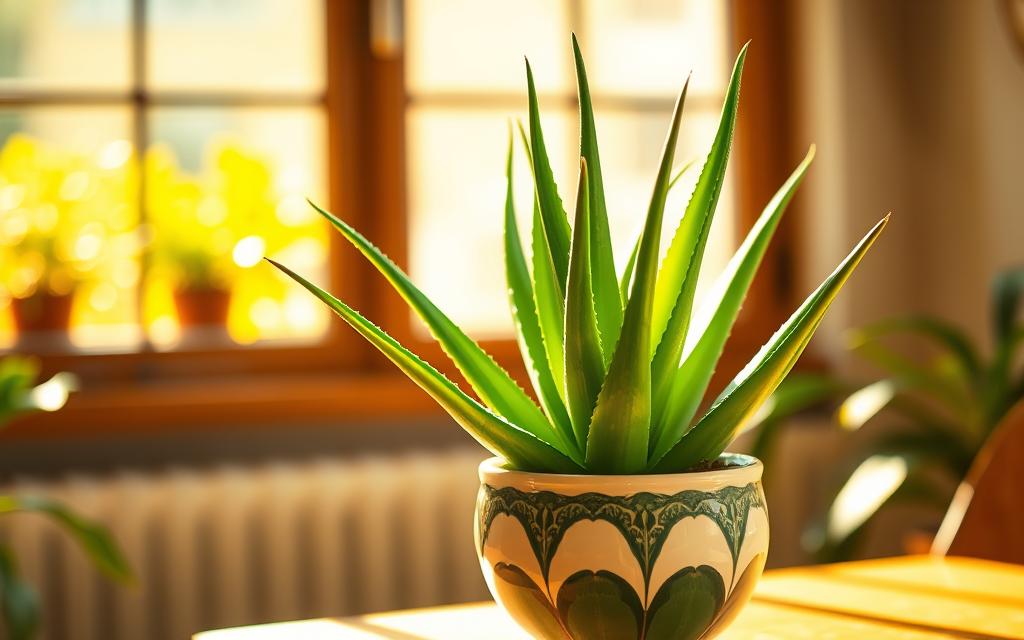
Not every garden spot suits this succulent; what matters is the right amount of light for your location. Match exposure to climate and surface reflectivity so leaves stay thick and compact over the years.
When direct exposure is ideal
In cooler coastal or mild inland spots, stronger daylight helps plants build firm leaves and steady growth. Young specimens often strengthen best with reliable bright rays each day.
When afternoon shade is smarter
In very hot, reflective sites—near pavers or western walls—a late-day shelter reduces stress. Potted plants tolerate some afternoon shade and often recover faster with that break. ☀️
Quick signs of too much light
- Bleached or pale patches on leaves
- Crisping or bronzed tips
- Scorched-looking spots where rays hit hardest
Signs of too little light
- Stretched, leggy growth leaning toward bright windows
- Thinner, softer leaves and slow development
- Dull or faded colour across the rosette
Adjust exposure slowly: move the pot a little each day over 7–14 days. This gradual change helps the plant acclimatise rather than shock its system.
Pick the right spot using Australian climate zones and microclimates
Think of climate zones as a loose map — then fine-tune using the tiny weather quirks in your yard. Use broad guidance, then test a few spots. Small changes in location make a big difference for light, heat and moisture.
Tropical and subtropical gardens
In hot, humid areas balance bright rays with airflow. Good ventilation cuts disease risk when evening humidity stays high.
Avoid overwatering in sticky summer months and give plants morning light with afternoon shade.
Arid regions
Intense heat and reflected glare from stones can scorch leaves. Aim for strong morning sun and some afternoon shelter.
Containers can be moved to shade in the hottest part of the day to protect tender growth.
Temperate and cool temperate areas
Maximise warm daylight in cooler spots. Place near a north-facing wall or on higher ground to avoid frost pockets.
During cooler months choose a spot that keeps warmth through the day and sheds cold at night.
Use microclimates at home to your advantage
Microclimate means a small area with different temp or humidity — like a sunny courtyard or an eave that blocks afternoon heat.
“A well-chosen micro spot often keeps plants happier than the perfect climate label.”
| Climate zone | Typical placement | Quick tip |
|---|---|---|
| Tropical / Subtropical | Morning sun, afternoon shade | Improve airflow; water less in humid months |
| Arid | Morning sun, sheltered afternoons | Use shade cloth or move pots midday |
| Temperate / Cool | North-facing, frost-free spots | Avoid low spots where cold settles |
| Microclimate examples | Courtyard, eave, north wall | Use these to extend growing time and reduce frost risk |
Pick your spot checklist: count daily sun hours, notice afternoon heat, feel wind exposure and mark where frost appears in winter.
Planting aloe vera in the garden for the best sun and drainage
Choose a sunny, fast-draining spot so the bed never stays waterlogged. Good placement protects the root system and keeps leaves firm.
Prepare the soil and improve drainage
Loosen the bed and work in plenty of compost or aged manure. A chunky mix helps moisture move through and encourages healthy roots.
Dig a wide hole and set the plant
Make the hole 2–4 times wider than the root ball so roots can spread. Tease crowded roots gently before planting.
Set the pot so the base of the leaves sits level with, or a touch above, the surface. This reduces rot at the stem.
Water in, then let the bed dry
Water well to settle the soil around roots, then return to a succulent schedule. Only top up when the bed is dry about 10cm down.
Use the finger test: scratch in and feel moisture before any more watering.
Mulch smart to avoid rot
Use pebbles or light organic mulch like bark or pea straw to conserve moisture and reduce weeds.
- Keep mulch away from the base so air can circulate and the stem stays dry.
- Good drainage plus a dry stem area is the best defence against rot.
Growing aloe vera in pots and containers
Give your plant a home that breathes — a pot with good holes and room to grow. Choose a container with reliable drainage and aim for ~10 litres minimum so roots can expand as the plant matures.
Pick the right pot and potting mix
Drainage holes are non‑negotiable. Use a specialised cactus and succulent potting mix. That mix drains much faster than standard soil and cuts root‑rot risk.
Where to place pots for light and shelter
Potted plants can take full sun in mild coastal spots. In hot patios give morning rays and light afternoon shade.
One big advantage of containers is mobility — move a pot a little each day or for hot afternoons, storms or cool nights.
Feeding container-grown plants
Feed lightly in the growing time. Use a controlled‑release fertiliser made for cacti and succulents, such as Scotts Osmocote Controlled Release Fertiliser for Cacti & Succulent, applied about every six months.
Top up with Scotts Osmocote Cacti & Succulent potting mix when repotting in spring or early summer.
| Need | Recommendation | Why it matters |
|---|---|---|
| Pot size | ~10 L minimum | Room for root growth, less watering frequency |
| Mix | Cactus & succulent potting mix | Fast drainage, reduces root rot |
| Light | Full sun (mild) or morning sun + afternoon shade | Prevents bleaching and heat stress |
| Feeding | Controlled release every ~6 months | Pots leach nutrients faster than beds |
For more on planting in pots, check practical steps in our guide on planting aloe vera in containers. 🌿
How to adjust sunlight through the seasons without stressing the plant
Seasonal light is a moving target. What feels perfect in winter can scorch by mid‑summer. Treat exposure as something you check and tweak, not set and forget.
Summer care: timing sun exposure and protecting from harsh afternoon heat
In summer, aim for strong morning sun and shelter in the hottest hours. Morning rays build firm growth; harsh afternoons near concrete or brick can reflect heat and burn leaves.
Move pots gradually if you shift them. Change position a little each day over a week or two so the plant adapts and the foliage avoids sudden scorch.
Cool weather care: protecting aloes from regular frosts
These plants tolerate an occasional light frost but not regular freezes. If your area has repeated frost, move pots under cover or beside a warm north‑facing wall.
Choose sheltered microclimates — courtyards or eaves cut wind and keep temps higher at night. For long cold snaps, pop pots inside or use breathable covers for short spells.
“Small seasonal tweaks protect growth and keep your aloe vera thriving for years.”
- Watch list: in heat — faded colour or crisp patches; in cold — soft, water‑logged spots or darkened tissue.
- Adjust exposure slowly over days to weeks to avoid stress.
Care routine that supports the right light level
Good daily habits help match watering and feeding to the light your plant actually receives. Bright spots dry faster, so let conditions — not the calendar — guide you.
Watering technique: how to check soil moisture before you water
Test the soil: scratch or push a finger down and only water when the mix is dry about 10cm below the surface.
When you water, soak deeply so roots reach moisture. Do this early morning or late afternoon to reduce stress and evaporation.
How to avoid fungal disease by watering at soil level
Water directly at the soil, not over the leaves. Keeping the crown dry prevents fungal issues such as rust and bacterial leaf spot.
Tip: use a narrow spout or a watering can that allows gentle, targeted flow.
Maintaining growth: deadheading and feeding timing
Remove spent flower spikes to focus energy on the rosette and encourage another flush of blooms.
Feed lightly if needed: apply a slow‑release fertiliser at potting time, then use a liquid feed during active growth or flowering.
One practical option is a monthly spring–autumn liquid like Yates Dynamic Lifter Liquid, or a balanced feed while flowering. If your soil or potting mix is rich, you may not need extra fertiliser.
Harvesting leaves safely and keeping the plant productive
Harvest outer leaves by cutting at soil level. Always leave at least five central leaves so the plant keeps growing strongly.
Wear gloves: the yellow sap (aloin) can irritate. Let cut leaves drain 15–30 minutes, rinse the gel, then store in the fridge up to a week or freeze for longer.
“Match airflow, light and watering — simple prevention goes a long way against pests and disease.”
- Quick prevention: ensure good airflow, avoid overwatering and place plants where light suits your climate.
- Watch for pests: aphids, mealybugs and scale are common on vera plants; treat early with a soft spray or insecticidal soap.
- Look out for problems: rust, bacterial leaf spot and root rot usually link back to wet crowns or poor drainage.
For more on light and placement strategies, see our guide on sunlight needs and practical care tips at best care routines.
Conclusion
Think of light as a dial you can nudge, not a switch to flip. Your aloe vera plant will thrive with the right balance of bright light and occasional protection in heat.
Remember the practical baseline: aim for ~3+ hours of direct sunlight each day, then adjust for humidity and temperature. Pick a garden or container spot with strong morning rays and optional afternoon shade if it gets very hot.
Success comes down to the three big rules — steady light, fast drainage and a watering rhythm that lets soil dry between drinks. Plant in a wide hole so the base and roots sit in free‑draining soil and avoid soggy pockets.
Try one plant, test a spot for a week and tweak slowly. For a quick reference, see the almanac guide to confirm seasonal care. 🌱