
Set expectations straight away: you’re not chasing a strict calendar. Instead, learn a simple check first, then act routine that fits your home and your plant.
Peperomia has thick, fleshy leaves that store moisture. This makes these plants more drought tolerant than many houseplant types. That also means overdoing moisture is the main mistake people make.
In practice, you’ll check the top few centimetres of soil. If it feels dry, give a modest drink. If it stays damp, wait a day or two and check again.
Across Australian homes we’ll cover baseline timing, simple soil tests, proper technique and what shifts frequency. You’ll learn what “dry enough” looks like for foliage and roots, and why being a day late is usually fine — staying wet for ages is not.
Table of Contents
Key Takeaways
- Peperomia respond best when you test soil rather than follow a clock.
- Thick leaves mean these plants hold moisture; avoid soggy pots.
- Check the top few centimetres; dry means it’s okay to add a little water.
- We’ll show simple tests and tips that suit Australian homes.
- Being cautious beats constant wetness — that’s the key mindset shift.
Why Peperomia watering is different from most houseplants
Some houseplants cry for constant damp soil; your baby rubber plant does not. These compact companions store moisture in chunky leaves, so they shrug off a missed session better than ferns or calathea.
Thick leaves and semi-succulent behaviour
The leaves act like small tanks. That means the plant carries short-term reserves and asks less often for a drink. This trait makes them great for busy homes and apartments.
Why drought tolerance isn’t a licence for neglect
Underwatering shows slowly: droop or dull colour over weeks. Overwatering bites fast — root rot and yellowing follow within days.
- Compare: ferns need steady moisture; these plants dry between doses.
- Risk trade-off: slightly dry is safer than constantly soggy soil.
- Care tip: good care peperomia is timing, not more water.
Next up: a practical baseline schedule that fits Australian homes — a guide, not a one-size rule. 🙂
how often to water peperomia in Australian homes
Start with a realistic baseline, then adapt. In many Australian homes you’ll find a useful range rather than one exact date. A typical guideline is roughly every 10–14 days when you give a thorough soak and let the pot drain.
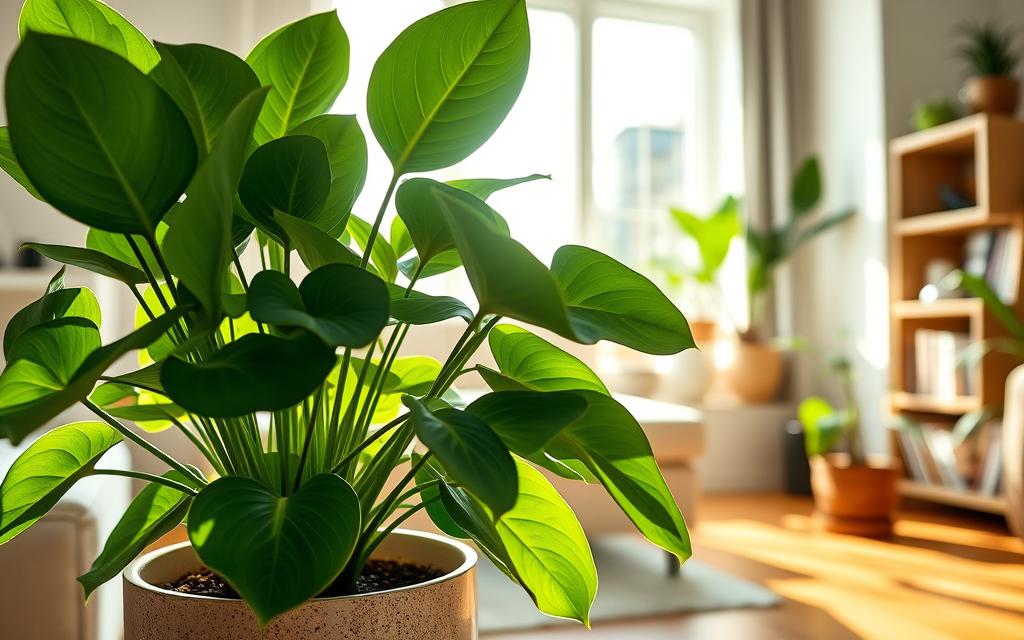
A realistic baseline schedule versus a fixed routine
Fixed timetables fail because rooms change. A bright study, small pot or warm air conditioning will dry the soil faster. Low light or cool rooms slow drying, so rigid calendars can mislead.
Typical timing when watering thoroughly
If you water deeply (so excess drains), you usually need fewer waterings. That thorough approach means the plant often lands near the 10–14 day window rather than daily top-ups.
Example benchmark: a small pot with no direct sunlight
As a reference, a 5″ pot in gentle indoor light may take about 0.5 cups every 9 days. Treat this as a prompt — check the soil first. In summer the mix dries faster, so check more often; slow growth during heat spikes can change needs too.
- Tip: use the schedule as a cue, not a command — your soil is the true signal that it’s time for a drink.
How to tell when the soil is dry enough to water
You can tell readiness by feeling the mix, not guessing from the calendar. A few simple checks help you avoid soggy soil and stressed roots. These methods are quick and reliable for most Australian homes.
The finger test for checking the potting mix depth
Push your finger into the potting mix as far as comfortable. If it feels dry through that depth, that’s a green light to water.
If there’s any cool dampness, wait and check again in a day or two. This keeps the roots safer than guessing.
The chopstick test to confirm “soil dry” conditions
Insert a clean chopstick into the centre and leave it a minute. Pull it out—if it comes out mostly dry and crumbly, the soil dry condition is confirmed.
Using a moisture meter to check the root ball centre
A meter is the most accurate option. Push the probe into the centre of the root ball, not the outer edge.
Water when the meter reads 2 or 1. This prevents overdoing watering and keeps roots healthy.
How dry is “dry”: letting the top two inches dry out
Let the top two inches of soil dry before you add more liquid. The top can look dusty while the middle is still wet, so make sure you check deeper.
These quick checks protect roots, prevent root rot and keep leaves firm and happy. For a handy schedule that pairs with these tests, see an indoor plant schedule.
How to water Peperomia properly (without causing root rot)
Give the root zone a full drink rather than quick surface splashes. That means you want moisture through the whole pot, then good drainage so the soil does not stay sodden.
Top‑up (top) method and saucer care
Water thoroughly: pour at the base until liquid runs out the drainage holes. Let it drain for a minute, then empty the saucer straight away.
Make sure the pot is never sitting in runoff. Standing water raises the risk of root rot and keeps roots wet for too long.
Bottom soak method and timing
Place the pot in a container with water about one-third up the side. Let it sit for ~10 minutes or until the top feels just damp.
Remove the pot and allow 30–60 minutes drain time so the mix can breathe. This gives the root ball a consistent drink without surface flooding.
Keep leaves dry
Avoid wetting the leaves when you give a drink. Lingering moisture on foliage encourages fungal spots and rot.
Wet leaves plus strong sunlight can also cause scorching. Aim water at the soil, not the foliage.
Best time of day
Early morning is ideal. Cooler air and gentler sunlight let moisture reach roots rather than evaporate or stress the plant.
If the soil is soggy and the plant looks droopy, resist the urge for more liquid—focus on drying and improving drainage.
| Method | Key steps | Drain / soak times | Best use |
|---|---|---|---|
| Top watering | Pour at base until draining; empty saucer | Drain immediately; do not let sit | Quick, thorough soak for routine care |
| Bottom soak | Place pot in container of water (~1/3 up side) | Soak ~10 minutes; drain 30–60 minutes | Good for compact pots and even wetting of root ball |
| Leaf care | Keep foliage dry; water at soil line | N/A | Prevents fungal issues and leaf scorch |
Both methods lower the chance of root rot by encouraging full drainage and avoiding constant wet soil. For a related indoor routine, see our indoor care guide.
What changes your watering frequency
Light levels change the pace at which soil gives up moisture. Bright indirect light dries a pot faster, so the plant asks for liquid more often. Low light slows that process and means longer waits between checks.
Avoid direct sunlight: harsh sun can scorch leaves and stress the plant. It is not a shortcut for faster growth and often causes harm rather than benefit.
Temperature and seasonal shifts
Heaters and air conditioners speed drying. In summer or during warm spells growth may change, and the plant will use more moisture.
When growth slows in cooler months, spread out your routine. Roots need less at that time.
Humidity and misting
Normal indoor humidity is fine. A dry environment can help avoid soggy soil. Misting often backfires by keeping leaves wet and inviting fungal issues.
Pot size and container material
Small pots dry faster. Terracotta pulls moisture from the mix quicker than plastic. Large decorative containers can trap runoff if there are no drainage steps.
“Stable light, temperature and container choice make the biggest difference to how frequently you check soil moisture.”
| Factor | Effect on drying time | Practical tip |
|---|---|---|
| Light (bright indirect) | Dries faster | Check soil earlier; brighter spots need closer attention |
| Low light | Dries slower | Space out checks and limit top-up doses |
| Container | Terracotta faster, plastic slower | Use terracotta for faster drying; ensure drainage for cachepots |
| Humidity | High = slower evaporation; low = faster | Avoid constant leaf wetness; use room humidity adjustments |
Keep an eye on leaves and pests — stress shows there first. For a detailed care profile, see a practical guide at care notes and our low-maintenance plant tips. 🌿
Set up the right pot, soil and drainage to avoid soggy soil
A fast‑draining mix and a pot that lets excess liquid escape are the simplest guard against root rot. This setup keeps roots healthy and foliage strong while reducing pests caused by stress. 😊
Choosing a well‑draining potting mix
Goal: a mix that drains fast but still supports healthy roots.
Start with quality potting soil, then lighten it with perlite and shredded coco coir or vermiculite. This improves airflow and speeds dry‑down without starving the plant.
Why drainage holes matter
Always use a pot with drainage holes. Confirm water exits freely each time you water peperomia — slow drips or trapped runoff signal blockage or a sealed saucer.
After a drink, tip out cachepots and empty saucers so excess moisture can’t soak back into the mix.
Repotting timing and feeding needs
Peperomia plants often like being slightly root‑bound. Repot when the root ball doubles in size or about yearly if the mix has broken down.
Fresh potting soil typically supplies enough nutrients for several months. Use fertilizer sparingly—less is more for slow growth.
| Check | What to do | Why it matters |
|---|---|---|
| Potting mix recipe | Potting soil + 30% perlite + 20% coco coir | Fast drainage, good root aeration |
| Drainage holes | Confirm free flow; clear blockages | Prevents soggy soil and rot |
| Cachepot/saucer | Empty after ~5 minutes drain | Stops re‑saturation of the root zone |
For best pot choices, see a quick guide on best pot options and pick a pot that supports good drainage and steady growth.
Conclusion
Let the soil lead — look, feel and act when the pot signals it needs moisture.
Check first, then give a thorough soak. That simple rule keeps your peperomia healthy and avoids root rot. Pair a full soak with free drainage, then let the mix dry between waterings. This is the easiest defence against soggy roots.
Watch three signals: soil moisture, leaf firmness and how fast the pot dries in your home environment. Keep the plant in bright‑indirect light and avoid direct sunlight, which stresses leaves and upsets moisture balance.
Pick one testing method — finger, chopstick or a meter — and use it consistently. For more care notes, see our peperomia care guide and a handy indoor plant schedule for seasonal tweaks. 😊