
Peperomias suit Aussie homes well. They stay compact and showy with minimal fuss. You get decorative leaves without a big upkeep load.
Pick a bright spot out of direct sun. These plants love light, not hot afternoon rays. Use a free-draining mix and a pot with holes so the roots never sit in water.
Water only when the top of the soil feels dry. In winter, let the mix dry a little more and pause feeding. Keep plants away from hot winds, heaters and air‑conditioning drafts.
We’ll cover choosing varieties, placement, potting mixes and a seasonal routine. You’ll also learn fixes for common Aussie pitfalls like scorching sun and dry indoor air.
Quick check: where is your plant sitting right now—near a window, a vent, or a draughty door? 😊
Table of Contents
Key Takeaways
- Keep plants in bright, indirect light away from harsh afternoon sun.
- Use a well‑draining mix and a pot with drainage holes.
- Water only after the topsoil dries; reduce in winter.
- Avoid hot winds and drying drafts from heaters or air‑con.
- For potting and seasonal tips, see this quick guide: potting & seasonal routine.
Choosing the Right Peperomia Varieties for Australian Homes
Match a plant’s growth habit to the spot you’ve got—upright for a desk, trailing for a shelf. That small choice makes daily upkeep easier and keeps leaves looking their best.
Reliable indoor picks include Baby Rubber Plant (P. obtusifolia) for glossy, sturdy leaves, Ripple Peperomia (P. caperata) for textured interest, Watermelon Peperomia (P. argyreia) for bold pattern, and String of Turtles (P. prostrata) for trailing shelves.
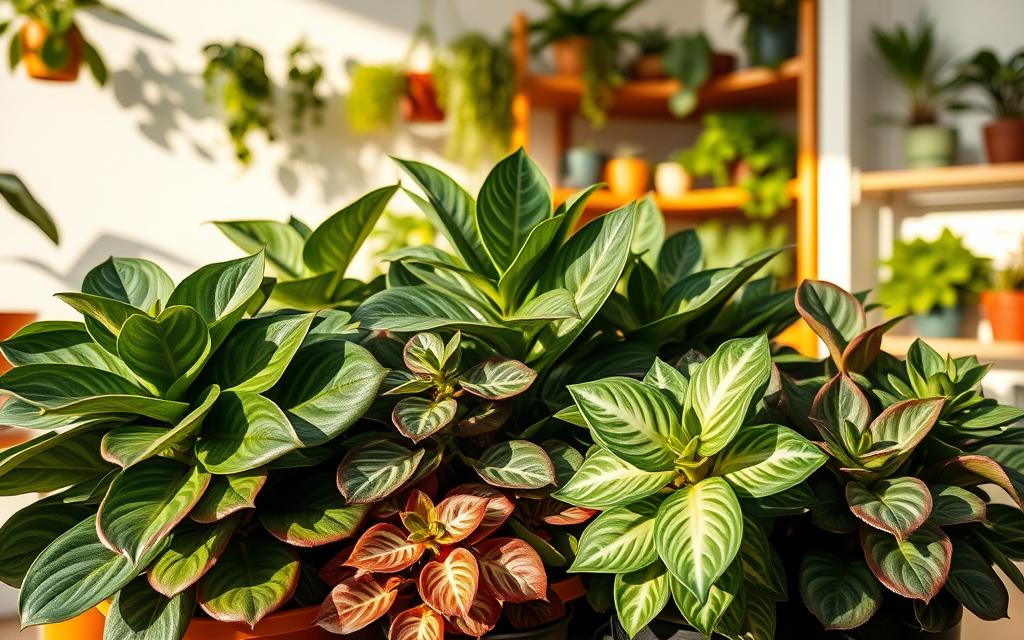
When buying, check leaf firmness and avoid limp or mushy stems. Turn leaves over and look for pests. The potting mix should feel slightly damp, not soaking wet.
Light levels matter. Low light tolerant varieties suit bathrooms and dim corners. If you can offer medium-bright indirect light, expect better colour and tighter growth from most varieties.
- Styling idea: Group a few varieties with contrasting leaf shapes and colours for visual pop, while keeping similar care needs.
- Growth expectation: Most stay compact, so they’re ideal when you want a plant that won’t take over a room.
Do you want upright and bushy, or trailing and drapey? Pick the style that fits the space and your routine. 🌱
Light and Placement: Bright Indirect Light Without Harsh Australian Sun
A bright, indirect spot keeps leaves vivid without the risk of frying in peak afternoon sun.
What bright indirect light looks like at home: a place near a bright window with a sheer curtain, a step back from the glass, or beside a sliding door where the sun never lands on the leaves. These conditions give steady daylight without burnt edges.
Best indoor positions for medium to bright indirect light
- East-facing: gentle morning sunlight that warms leaves without stress.
- South-facing: steady indirect light in many homes — a safe choice.
- West-facing: can be harsh in summer; add a sheer or move back a metre.
Spotting and fixing leaf scorch
Leaf scorch shows as crispy brown patches, faded colour or sudden brown tips. If you see this, move the plant away from direct sunlight and apply a sheer curtain.
“Trim only leaves that are fully damaged — healthy tissue recovers best if left alone.”
Protecting plants from drafts, hot winds and sudden temperature swings
Avoid heater blasts, air‑con vents and windy doorways. Hot winds and exposure on balconies or verandas stress leaves and cause drop.
Quick action step: today at 3 pm check your plant — if sun hits it then, it’s too much. 🙂
Soil, Pots and Potting Mix: Set Up for Strong Roots and Drainage
Good root health starts under the surface: soil structure and proper drainage set the tone. A light, airy mix and a pot that drains well prevent rot and unhappy roots. 🪴
Choose pots with purpose
Always pick a pot with drainage holes. If you prefer a decorative cover pot, keep the nursery pot inside it and empty trapped water after watering.
Size matters: when repotting, upgrade only modestly — aim for no more than double the nursery pot. Oversizing traps wet mix and raises rot risk.
Mix basics that work
Look for a premium, free‑draining potting mix or an aroid‑style blend that stays light and organic. Terracotta speeds drying; plastic and ceramic hold moisture longer — choose by how often you water.
Options include Yates Premium Potting Mix with Dynamic Lifter or Scotts Osmocote Premium Potting Mix for Indoor Plants as solid starting points.
Simple repotting steps
- Slide plant from its pot and gently tease the roots.
- Trim any circling or tangled roots and remove excess old mix.
- Place in fresh mix at the same depth, firm lightly and water in.
Repot every 2–3 years, or when roots circle, growth stalls or the pot becomes unstable.
| Pot type | Drying pace | Best use |
|---|---|---|
| Terracotta | Fast | Small, shallow varieties; quick drying |
| Plastic | Moderate | Warm rooms; steadier moisture |
| Ceramic (glazed) | Slow | Stable moisture, decorative spots (use inner pot) |
After repotting, give bright indirect light and hold off heavy watering while the roots settle. For more species tips, see detailed species notes.
how to care for peperomia australia: Watering, Humidity and Seasonal Care
A simple watering rhythm keeps roots healthy and prevents soggy pots. Water deeply, then let the top 2–3 cm of potting mix dry before the next soak. This avoids “wet feet” — roots sitting in soggy mix or pooled water that invite rot.
Quick moisture tests
Use the finger-to-first-knuckle check: push your finger in and feel for dampness. Or lift the pot—light weight often means dry mix.
Spring and summer rhythm
In spring and summer the mix dries faster. Expect slightly more regular watering and add gentle humidity boosts like grouping or a pebble tray.
Winter adjustments
Let the mix dry more in winter and pause feeding. Move plants away from cold glass at night and avoid icy drafts.
Humidity and temperatures
Humidity made easy: group pots, mist occasionally, or use a pebble tray so pots sit above water. Aim for day temps near 18–24°C and nights above 10°C.
“Yellowing leaves often mean overwatering—check drainage, empty saucers and ease up on watering.”
| Issue | Sign | Action |
|---|---|---|
| Overwatering | Yellowing leaves, soft stems | Check drainage, pause water, dry mix |
| Low humidity | Crispy tips, slowed growth | Group plants, mist, pebble tray |
| Cold stress | Leaf drop, dull leaves | Move from windows/doors, keep >10°C |
Weekly checklist: check light, do the finger test, empty any saucer, and feel for drafts. For a watering calendar that fits busy routines see indoor plant watering schedule, and for a full care guide visit care peperomia tips. 🙂
Conclusion
Nail the basics and your , peperomia will reward you with healthy leaves and steady growth.
Keep it simple: bright indirect light, a free‑draining mix and water only when the top feels slightly dry. Use a pot with holes, empty saucers and try the finger test before each drink.
Avoid hot afternoon sun and hot winds from heaters or air‑con. In summer give a little humidity; in winter pause feeding and let the mix dry a touch.
Feed lightly in the growing months with a balanced fertiliser, then rest the plant in cooler months. Small fixes often solve common issues fast.
Pick one thing to improve today—move it out of direct sun, swap the mix, or change your watering rhythm. 😊
More tips in this handy peperomia guide.