
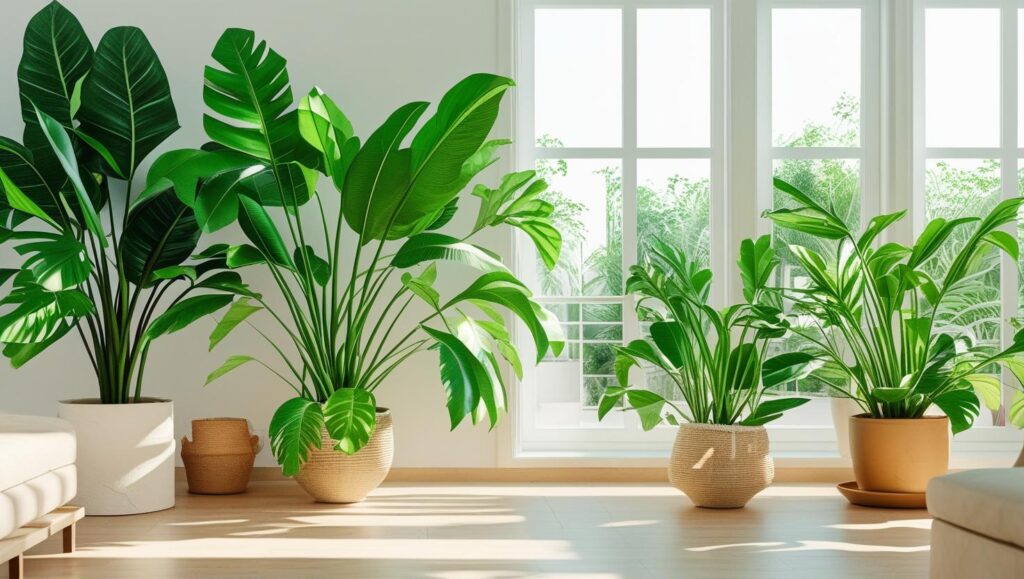
There’s something magical about stepping into a living room filled with lush greenery. It immediately brings a sense of peace, calm, and vibrancy. Adding plants to your living room is more than just a design choice—it’s a lifestyle upgrade. Whether you’re going for a jungle-inspired space or just want a couple of leafy accents, decorating with plants can redefine your living area in the most refreshing way. Let’s dive into everything you need to know to master the art of living room plant decor.
Table of Contents
Why Indoor Plants are a Must-Have for Living Room Decor
The Rise of Biophilic Design
Biophilic design is more than a buzzword—it’s a movement that’s taking over modern interiors. The concept is simple: reconnect humans with nature by incorporating natural elements into indoor environments. And what’s more natural than houseplants?
Adding greenery to your living room isn’t just about aesthetics. Biophilic design taps into our deep-rooted desire to be close to nature. Studies have shown that spaces designed with natural elements can reduce stress, boost mood, and improve productivity. It’s no wonder more people are turning to plants to bring life into their homes.
From towering fiddle leaf figs to dainty trailing vines, every plant brings a touch of nature indoors. The key to mastering biophilic decor lies in variety and integration. Instead of placing one plant in the corner, scatter them around your room—on shelves, tables, hanging baskets, and even walls. The more immersive the greenery, the more it feels like a natural escape.
Not only does this style make your living room look like a curated jungle paradise, but it also transforms the way you experience the space. Suddenly, your home becomes a sanctuary.
Read Also: Minimalist Indoor Plant Decor_

Physical and Mental Health Benefits of Plants
Aside from their beauty, indoor plants offer a long list of health benefits. They purify the air, improve humidity levels, and reduce harmful toxins like formaldehyde and benzene. NASA’s Clean Air Study famously demonstrated how certain houseplants could clean indoor air, making them an essential addition to any home.
Mentally, plants are powerful mood boosters. They reduce anxiety, enhance creativity, and promote relaxation. Just the act of caring for a plant—watering it, watching it grow—can be therapeutic. It fosters mindfulness and patience in a world where everything feels rushed.
Another underrated benefit? Plants help with acoustics. Large leafy plants can absorb sound, making your living room quieter and more serene. This is especially helpful in urban apartments where street noise or thin walls can disrupt peace.
So, incorporating plants into your living room isn’t just a stylistic choice—it’s a lifestyle improvement. It’s one of the few decor elements that looks amazing and works hard to keep you healthier and happier.
Read Also: Grow Happiness: Simple Plant Habits for Better Mental Health
Choosing the Right Plants for Your Living Room
Best Low-Maintenance Plants for Beginners
If you’re just dipping your toes into the world of indoor gardening, don’t worry—there are plenty of low-maintenance options that thrive with minimal effort.
Here are some beginner-friendly favorites:
- Snake Plant (Sansevieria): Tolerates low light and infrequent watering. Its upright leaves give a modern, architectural touch.
- Pothos: Grows like crazy and looks great in hanging baskets or climbing shelves. It tolerates low to bright indirect light.
- ZZ Plant: Almost impossible to kill. It survives droughts and low light with ease.
- Spider Plant: Known for its air-purifying qualities and unique trailing “babies,” it’s a great tabletop or hanging plant.
- Peace Lily: Adds elegance with its white blooms and thrives in low to medium light.
These plants require little attention but still offer major visual impact. Ideal for busy individuals or those just starting their plant journey.
Sunlight and Space Considerations
Before you start buying plants, take a good look at your living room. How much natural light do you get? Where does it fall during the day? Understanding this is crucial for selecting plants that will thrive in your space.
Here’s a quick guide to matching plants with lighting:
- Bright, direct sunlight: Great for succulents, cacti, and fiddle leaf figs.
- Bright, indirect light: Perfect for monstera, pothos, and rubber plants.
- Low light: Opt for snake plants, ZZ plants, or peace lilies.
Also consider your layout. If you have a compact living room, go vertical—use hanging pots, plant stands, or wall-mounted planters. For spacious rooms, floor plants like rubber trees or bird of paradise can create striking focal points.
It’s not just about choosing what you like, but what your space can support. That way, your greenery will thrive and look stunning year-round.
Creative Plant Placement Ideas
Hanging Plants for Vertical Appeal
Running out of floor space? No problem. Hanging plants are a stylish way to add greenery without cluttering surfaces. They create visual layers and can soften the harsh edges of a modern living room.
Popular hanging plant options include:
- String of Pearls: Perfect for a cascading effect.
- Boston fern: Adds volume and drama.
- Spider Plant: Great for a whimsical look.
- English Ivy: Looks stunning trailing from high shelves or baskets.
Hang them near windows using macramé holders or simple hooks. Want to get creative? Suspend them at varying heights to add movement and depth. This works especially well in corners or above seating areas.
Hanging plants draw the eye upward, making ceilings appear taller and adding a dynamic layer to your design. It’s like artwork—except alive and constantly evolving.
Corner Plant Styling Techniques
Corners are often overlooked in decor planning, but they offer valuable real estate for larger plants. A tall plant like a fiddle leaf fig or parlor palm can anchor a corner and instantly elevate the room.
Here are some styling ideas:
- Use plant stands to vary the height and add dimension.
- Group three plants of different sizes together for a layered look.
- Place a floor mirror behind the plant to reflect greenery and light.
Make sure your corner plants aren’t hidden. They should complement your furniture and layout—adding interest without overwhelming the space. A well-decorated corner can make your whole living room feel more polished and intentional.
Using Floating Shelves and Ladders
Floating shelves and decorative ladders are your best friends for plant styling. They let you showcase small to medium plants while also keeping surfaces clear.
On shelves, use a mix of:
- Trailing plants like pothos or string of hearts.
- Upright plants like snake plants or jade.
- Decor items like books, candles, and ceramics for balance.
Plant ladders are ideal for tight spaces. Each rung can hold a different plant, creating a tiered green display that doubles as functional art. It’s a great solution for renters or small apartments with limited floor space.
Mix plant types, colors, and pot textures to create an eye-catching display. Think of it as building a little botanical gallery wall.
Styling Tips for a Cohesive Look
Matching Pots with Your Interior Theme
Choosing the right pots is just as important as choosing the plants themselves. Think of pots as the outfit your plant wears—they can enhance or clash with your decor depending on the style, color, and material. So, how do you ensure your pots align with your living room’s aesthetic?
Start by identifying your room’s design theme:
- Modern or minimalist: Stick to clean lines, monochrome tones, and simple textures like matte black, white ceramic, or concrete planters.
- Bohemian: Go wild with terracotta, patterned ceramics, woven baskets, or colorful pots that bring an eclectic charm.
- Rustic or farmhouse: Think galvanized tubs, aged clay pots, or wooden boxes with a weathered look.
- Scandinavian: Stick with whites, greys, and muted pastels—paired with geometric patterns or natural wood stands.
Using the same type or color of pot throughout your space creates a harmonious vibe, while mixing different pots can make your decor feel playful and artistic. The key is consistency. Whether you choose to match or mix, repeat elements to tie everything together.
And don’t forget size! Make sure the pot is proportional to your plant and the surrounding furniture. A huge pot in a tiny space can feel overwhelming, while a small one might look lost.
Balancing Colors and Textures
When styling plants, consider them as part of your room’s overall color palette and texture story. Plants introduce natural greens, but their pots, foliage patterns, and even soil can be used creatively to enhance the space.
Use contrasting textures for visual depth:
- Pair glossy leaves with matte surfaces (e.g., ceramic pots or rough wooden tables).
- Combine soft foliage with sharp or angular elements like metal stands.
- Mix large leafy plants with fine, delicate vines for contrast.
Color-wise, you can:
- Go monochrome for a sleek, modern look.
- Use plant colors (like the dark purple of a rubber plant) to tie in accent decor (pillows, throws, wall art).
- Introduce earthy tones to warm up cold interiors.
Be intentional with placement too. Spread plants around evenly rather than clumping them in one area. Use a mix of heights and forms—tall and short, spiky and round—to create an organic, balanced flow.
Remember: your goal isn’t to fill the room with plants, but to create a visual rhythm that feels effortless and alive.
Symmetry vs. Asymmetry in Plant Arrangement
Symmetry is pleasing to the eye—it creates balance, calm, and structure. Asymmetry, on the other hand, feels more natural, dynamic, and unexpected. Both have their place in plant decor, depending on the mood you want to set.
When to go symmetrical:
- Framing a couch or entertainment unit with matching floor plants.
- Flanking a fireplace or bookshelf with identical greenery.
- Lining shelves with evenly spaced, same-sized pots.
Symmetry works best in traditional, formal, or minimalist spaces where structure is key.
When to go asymmetrical:
- Creating a cascading effect with different-sized plants on a plant stand.
- Designing a plant corner with various heights, textures, and shapes.
- Mixing in decor elements like art, books, and candles alongside plants.
Asymmetry feels more creative and relaxed—ideal for eclectic, boho, or cozy living rooms. Try the “rule of threes”: group plants in odd numbers and stagger their heights and leaf shapes for an effortlessly curated look.
The best designs often mix both. A symmetrical base (like two matching floor plants) with an asymmetrical twist (a wild vine trailing from a shelf above) strikes a beautiful, harmonious balance.
Themed Living Room Plant Decor Ideas
Bohemian Jungle Vibe
Want your living room to feel like a lush indoor rainforest? The boho jungle look is all about abundance, texture, and freedom. It embraces wild, trailing plants, natural materials, and layers upon layers of earthy charm.
Here’s how to achieve it:
- Go for big and bold plants: monstera, bird of paradise, rubber plant, and palms.
- Add trailing vines everywhere—on walls, shelves, or draped over mirrors.
- Use macramé hangers, wicker baskets, and terracotta pots for that earthy, handcrafted feel.
- Mix in boho textiles like colorful throw pillows, woven rugs, and patterned blankets.
Lighting plays a key role. Use warm, ambient lighting—fairy lights, lanterns, or rattan lamps—to enhance the cozy jungle ambiance. Don’t shy away from layering rugs or stacking books under pots to create that collected-over-time aesthetic.
This theme works best when you embrace imperfection. Let leaves spill over, mix and match decor, and go for a vibe that feels lived-in and free-spirited. Plants aren’t just accessories here—they’re the main event.
Scandinavian Minimalist Greenery
Scandinavian design is all about simplicity, functionality, and calm. Think clean lines, light color palettes, and minimal clutter. But that doesn’t mean it has to be cold or boring—plants add the perfect touch of warmth and vibrancy to this style.
For a minimalist plant decor:
- Stick to a few carefully chosen plants: fiddle leaf fig, rubber plant, or a large monstera.
- Use white or neutral-toned pots in ceramic or matte finishes.
- Opt for structured shapes and uncluttered arrangements.
- Place plants strategically—one on a shelf, another on a stool, one in the corner.
Use natural materials like light wood, wool, and linen in the rest of your decor to complement the greenery. Avoid over-styling or crowding the room. The idea is to let each plant stand out as a sculptural element.
Plants like ZZ plants or snake plants are perfect here—they’re low maintenance but visually striking. Keep the rest of the room light, airy, and open. Let the green pops break the monotony and infuse life into your minimalist space.
Modern Urban Oasis
For city dwellers with a love for sleek, contemporary style, the modern urban oasis theme is a match made in heaven. It blends industrial materials with lush greenery, creating a stylish yet serene vibe.
Think exposed brick walls, black steel frames, and clean furniture lines—balanced with an explosion of green life.
Here’s how to bring it to life:
- Use statement plants like fiddle leaf figs or tall snake plants in concrete planters.
- Incorporate metal plant stands, geometric pots, or glass terrariums.
- Use vertical garden walls or hanging shelves to maximize space.
- Add mood lighting with smart LED lights or minimalist floor lamps.
This style embraces contrast—combine hard surfaces with soft foliage, cool tones with warm wood. Keep the palette neutral (black, grey, white) and let your plants add the color.
Perfect for apartments or lofts, this look turns a stark space into a calming retreat. Plus, plants like pothos and philodendrons love the indirect light often found in urban homes, making them ideal for this theme.
Small Living Room? No Problem! Space-Saving Plant Decor Hacks
Go Vertical with Wall Planters and Trellises
Running out of floor space doesn’t mean you have to skip the greenery. Vertical plant decor is a clever and stylish way to bring nature into even the tiniest living rooms.
Wall-mounted planters are a great place to start. They come in various shapes—ceramic pots, wooden boxes, metal frames—and can be arranged in rows, grids, or random patterns to create a living mural. Choose trailing plants like pothos, philodendron, or string of bananas for that lush, waterfall effect.
Trellises can also be installed on walls or within planters to help climbing plants grow upward. Try using a minimalist metal trellis to guide ivy or monstera adansonii—it’s functional and acts like living wall art.
If you’re renting, removable adhesive hooks and hanging shelves are ideal. You can suspend small pots in front of windows or along walls without causing damage. These vertical solutions free up floor space while making your plant decor more dynamic and eye-catching.
Utilize Furniture with Built-In Planters
Furniture that doubles as plant holders? Yes, please! Modern decor has gotten smarter, and multi-functional pieces are perfect for maximizing space.
Here are a few genius ideas:
- Coffee tables with planter centers: These come with a recessed section in the middle to plant succulents or moss.
- Side tables with lower shelf planters: Store your books on top, greenery below.
- Sofa tables with built-in greenery troughs: Ideal for placing behind a couch near a window.
- Bookshelves with integrated pots: Some furniture pieces include slots or cutouts for small plants.
These pieces blend functionality with decor, turning everyday items into focal points. Plus, having greenery incorporated into your furniture creates an immersive botanical vibe without cluttering up valuable space.
Caring for Your Living Room Plants Like a Pro
Understanding Watering and Lighting Needs
One of the biggest reasons people give up on plant decor is the fear of killing their plants. But the truth is, most houseplants are forgiving—you just need to understand their basic needs.
Start with light. Every plant has a preferred light level:
- Bright, direct light: South-facing windows. Ideal for succulents and cacti.
- Bright, indirect light: Near a window, but out of the sunbeam. Great for monstera, pothos, or fiddle leaf figs.
- Low light: Corners and shady spots. Snake plants, ZZ plants, and peace lilies do well here.
Watering depends on the plant and your environment. A common mistake? Overwatering. Most houseplants prefer to dry out slightly between waterings. Always check the soil moisture with your finger—if the top 2 inches are dry, it’s time to water.
Avoid using cold tap water. Let it sit overnight to reach room temperature and allow chlorine to dissipate. Water thoroughly until it drains from the bottom, but don’t let pots sit in standing water—that leads to root rot.
Consistency is key. Set a routine (once a week is a good start) and adjust as needed based on plant behavior and seasons.
Tools and Accessories to Simplify Plant Care
Want to keep your plant babies happy with less effort? Invest in a few plant care tools that make maintenance easier and more enjoyable.
Must-have plant care gear:
- Moisture meter: Takes the guesswork out of watering.
- Grow lights: Perfect for rooms with limited sunlight or during winter.
- Self-watering planters: A lifesaver for busy plant parents.
- Spray bottle or mister: Keeps humidity-loving plants like ferns and calatheas thriving.
- Pruning shears: For trimming dead leaves and encouraging growth.
- Fertilizer sticks or liquid feed: Use monthly during the growing season to boost health.
Also consider plant apps that send reminders and help you diagnose problems. They’re great for keeping track of each plant’s needs.
And let’s not forget decorative tools: stylish watering cans, plant stands, and ceramic pots elevate both function and form. It’s all about making plant care part of your routine and your decor style.
Combining Plants with Other Decorative Elements
Pairing Plants with Artwork and Mirrors
Plants already bring visual interest to a room, but pairing them with other design elements—like artwork and mirrors—can create even more impact.
Hang a bold piece of art behind a leafy plant for a stunning contrast. The artwork adds a focal point, while the plant softens it with texture and life. Choose botanical prints for a cohesive vibe or abstract art for contrast.
Mirrors are a fantastic tool too. Placing a plant in front of or next to a mirror doubles the greenery visually, making your space feel larger and more lush. Mirrors also bounce light around, which can be a game changer for plants and room brightness.
When styling shelves or mantels, combine small plants with candles, vases, and framed prints. Use odd-number groupings and stagger the heights to keep things balanced and visually pleasing.
Mixing Greenery with Lights and Textures
Light brings plants to life—literally and visually. Combine greenery with soft lighting to create an ambiance that’s warm and inviting. Place a floor lamp behind a large plant to cast interesting shadows. Add fairy lights around hanging baskets or on shelves for a cozy glow.
Don’t stop there—bring in various textures to enrich the environment:
- Mix smooth pots with textured throws.
- Pair leafy plants with woven baskets.
- Add a velvet pillow or chunky knit blanket for softness next to your spiky succulents.
This interplay of light and texture adds depth and makes your living room feel layered, lived-in, and full of personality. Your plants become part of the sensory experience, not just background decor.
Seasonal Plant Decor Tips
Refreshing Your Plant Display for Every Season
Just like swapping out your wardrobe with the seasons, updating your plant decor throughout the year keeps your living room feeling fresh and relevant. You don’t have to overhaul everything—small seasonal tweaks can make a big impact.
Spring:
Spring is all about renewal and growth. It’s the perfect time to repot your plants, prune dead leaves, and fertilize. Add colorful pots or floral-patterned containers to reflect the blooming season. Consider fresh flowers or bulbs like hyacinths and tulips for short-term bursts of color.
Summer:
With abundant sunlight, summer is prime time for tropical plants like monstera, palms, and bird of paradise. Swap heavy textiles for lighter throws and add bright, fun planters. Move some plants closer to windows or outdoors temporarily (if safe) for an extra dose of sun.
Fall:
As the days grow shorter, choose warm-toned pots—terracotta, deep green, mustard, or burgundy. Pair plants with cozy elements like candles, layered rugs, and pumpkin decor. Dry arrangements with pampas grass or eucalyptus also work well for an autumn vibe.
Winter:
Winter months mean less light and drier air. Bring plants closer to natural light sources and reduce watering. Add string lights or LED spotlights to brighten up dark corners. Evergreens or holiday-themed plants like poinsettia, Norfolk pine, or amaryllis can add festive cheer.
These subtle seasonal changes keep your living room feeling alive and updated all year round without needing to redecorate completely.
Common Mistakes to Avoid in Plant Decor
Overcrowding, Mismatching, and Poor Light Planning
Plant decor should feel intentional and harmonious—not chaotic. But even with the best intentions, it’s easy to fall into a few common traps. Here’s what to watch out for:
1. Overcrowding the space:
It’s tempting to add more and more plants, especially when you get excited about a lush look. But too many plants in one area can feel cluttered and suffocating. Give each plant space to shine and breathe.
2. Mismatched pots and styles:
Unless you’re going for a maximalist or bohemian look, try to keep a consistent pot style or color palette. A mix of too many styles (bright plastics, terracotta, chrome, ceramic) can make your decor feel disjointed.
3. Ignoring light requirements:
Not all plants thrive in the same conditions. Putting a bright-light plant in a dark corner will only lead to yellowing leaves and frustration. Take time to understand each plant’s needs and place them accordingly.
4. Forgetting about maintenance:
Even low-maintenance plants need care. Don’t buy more than you can realistically manage. Start small and build your collection gradually.
5. Skipping the drainage:
Decorative pots without drainage holes may look great, but they can trap water and rot your plant’s roots. Either use a pot with holes or insert a plastic liner inside decorative pots to ensure proper drainage.
Avoiding these common pitfalls will save you time, money, and the heartbreak of losing a beloved plant. Keep it simple, consistent, and thoughtful.
Conclusion
Decorating your living room with plants isn’t just about style—it’s about creating an environment that feels alive, welcoming, and uniquely you. Whether you’re embracing the jungle vibes or curating a sleek minimalist haven, greenery brings a sense of calm and connection that no other decor can.
The best part? There’s a plant (or ten) for every space, lifestyle, and aesthetic. From low-maintenance classics to bold, show-stopping foliage, plants offer endless creative possibilities.
As you start or evolve your plant decor journey, remember: it’s not about perfection—it’s about growth. Both yours and your plants’. Keep experimenting, learning, and enjoying the process. Your living room will thank you with beauty, oxygen, and that unmistakable feeling of home.
FAQs
1. What are the best plants for a living room with no windows?
Plants like the ZZ plant, snake plant, and pothos can tolerate very low light conditions. Pair them with grow lights to help them thrive without direct sunlight.
2. How can I keep my plants alive if I travel often?
Opt for drought-tolerant plants (like succulents or ZZ plants) and consider self-watering pots or asking a friend to check on them weekly.
3. Can plants survive in air-conditioned rooms?
Yes, but be mindful of dry air. Use a humidifier or group plants together to increase humidity levels. Keep them away from direct drafts or vents.
4. What’s the easiest way to style plants in a small living room?
Use vertical space—hang plants, install floating shelves, or use wall planters. Choose compact species and place them strategically around furniture and lighting.
5. How do I know if my plant is getting too much or too little light?
Too much light often causes scorched or faded leaves. Too little results in droopy, yellowing, or slow-growing plants. Adjust placement based on signs and observe weekly.