
Life gets busy, and sometimes keeping plants alive feels like another chore you just don’t have time for. But what if you could still enjoy the benefits of greenery without all the fuss? Turns out, you can. There are plenty of plants out there that are practically designed to thrive on neglect. They’re forgiving, resilient, and won’t throw a fit if you forget to water them for a week or two. This guide is all about finding those perfect green companions that fit into your packed schedule, bringing life to your space without adding stress.
Table of Contents
Key Takeaways
- Low maintenance plant care is achievable even with a busy schedule.
- Choose plants that tolerate infrequent watering and varied light conditions.
- Many resilient plants can survive periods of neglect.
- These plants offer aesthetic benefits without demanding constant attention.
- Select plants that match your available time and environment.
1. Snake Plant
If you’re looking for a plant that practically takes care of itself, the Snake Plant, also known as mother-in-law’s tongue, is a fantastic choice. Seriously, these things are tough. They originate from West Africa and are super adaptable, which is probably why they’re everywhere. You’ll recognize them by their upright, sword-like leaves, often with cool patterns. They look pretty modern and can fit into pretty much any room, even ones that don’t get much sun.
The snake plant is incredibly resilient and can tolerate a wide range of conditions, making it perfect for busy people. They store water in their leaves, so you don’t have to worry too much about watering them. In fact, overwatering is pretty much the only way to really mess them up. They’re also known for cleaning the air, which is a nice bonus.
Here’s a quick rundown:
- Light: They’re not picky. Dim hallways, offices with fluorescent lights, or bright windowsills – they’re all fine. More light just means they grow a bit faster.
- Watering: Wait until the soil is completely dry. This usually means watering every 2 to 4 weeks, maybe even less in the winter. Seriously, let it dry out.
- Soil & Potting: Use a cactus mix and a sturdy pot, preferably terracotta, because these plants can get tall and top-heavy. Make sure it has drainage holes.
- Feeding: You can give it a little diluted fertilizer once in the spring, but that’s about it.
These plants are champions at surviving neglect. They can handle temperature changes and don’t mind being a bit root-bound. It’s the kind of plant you can get and then mostly forget about, and it will still look great.
2. ZZ Plant
The ZZ plant, or Zamioculcas zamiifolia, is practically a superhero in the world of low-maintenance houseplants. Seriously, this plant looks like it needs a lot of attention with its glossy, deep green leaves, but it actually thrives on being left alone. It’s native to East Africa, where it’s used to pretty dry conditions, which is why it’s so forgiving if you forget to water it.
The ZZ plant’s secret weapon is its thick, potato-like rhizomes that store water and nutrients. This means it can easily go for weeks without a drink, making it perfect for those who travel often or just have a lot going on. It’s also not too picky about light, doing well in anything from low light to bright, indirect sun. Just keep it out of direct, harsh sunlight, which can scorch its leaves.
Here’s a quick rundown of what this tough plant needs:
- Light: Tolerates low light but prefers moderate, indirect light. Avoid direct sun.
- Water: Let the soil dry out completely between waterings. This might be every 2-3 weeks, or even less in winter.
- Soil: Use a well-draining potting mix, like one for cacti or succulents.
- Temperature: Average room temperatures are fine, generally between 55-80°F.
This plant is incredibly resilient. If you’re someone who tends to overwater plants, you might actually kill a ZZ plant by giving it too much love. It’s better to err on the side of underwatering with this one.
ZZ plants are also known for their air-purifying qualities, so they’re not just pretty faces. They add a touch of modern elegance to any space without demanding much in return. If you’re looking for a plant that can handle a bit of neglect and still look fantastic, the ZZ plant is definitely a winner. You can find more care tips for this resilient plant on The Sill’s plant profile.
3. Pothos
If you’re looking for a plant that practically grows itself, the Pothos (Epipremnum aureum) is your go-to. Seriously, this plant is incredibly forgiving. It’s got these lovely heart-shaped leaves on trailing vines, and it doesn’t mind if you forget to water it now and then. Plus, it looks good in pretty much any spot, from a dim corner to a brighter windowsill, though direct sun is a no-go.
Pothos are champions of adaptability, thriving in a wide range of light conditions, from low light to bright indirect light. This makes them super versatile for any room in your house or even your office cubicle.
Here’s a quick rundown of what makes them so easy:
- Light: Tolerates low light well, but prefers medium to bright indirect light. Too much direct sun can burn the leaves.
- Watering: Let the top inch or two of soil dry out completely before watering. Overwatering is the quickest way to kill a Pothos, so err on the side of underwatering.
- Growth: They grow pretty fast, and you can easily propagate them by sticking cuttings in water. You can let them trail, hang them, or even train them to climb.
Pothos are also known for their air-purifying qualities, helping to clean up the air in your home. It’s like having a little green helper that also looks great.
With varieties like ‘Golden’, ‘Marble Queen’, and ‘Neon’, you can pick a Pothos that matches your style without changing a thing about the care. They’re just about the easiest way to add some green to your life.
4. Peace Lily
The Peace Lily, or Spathiphyllum, is a fantastic choice if you want a plant that looks good without demanding much of your time. It’s known for its glossy, dark green leaves and those elegant white blooms that aren’t actually flowers, but modified leaves called spathes. They’re pretty forgiving, too. You can stick them in a corner with not much light, and they’ll still do okay, though if you want more of those white blooms, a spot with bright, indirect light is better.
One of the coolest things about Peace Lilies is how they tell you when they’re thirsty. Their leaves will droop a bit, giving you a clear signal. Give them a good drink, and they usually perk right back up within hours.
- Watering: Aim to water when the top inch of soil feels dry. Don’t let it sit in soggy soil, though, as that can cause root rot.
- Light: Tolerates low light but prefers bright, indirect light for better flowering.
- Temperature: Average room temperatures are fine, generally between 65-80°F (18-27°C).
- Cleaning: Wipe the leaves with a damp cloth occasionally to keep them dust-free and shiny.
Be aware that Peace Lilies can be mildly toxic if ingested, so it’s best to keep them out of reach of curious pets and small children.
5. Aloe Vera
Read Also: Indoor Plant Watering Schedule: How to Get It Right
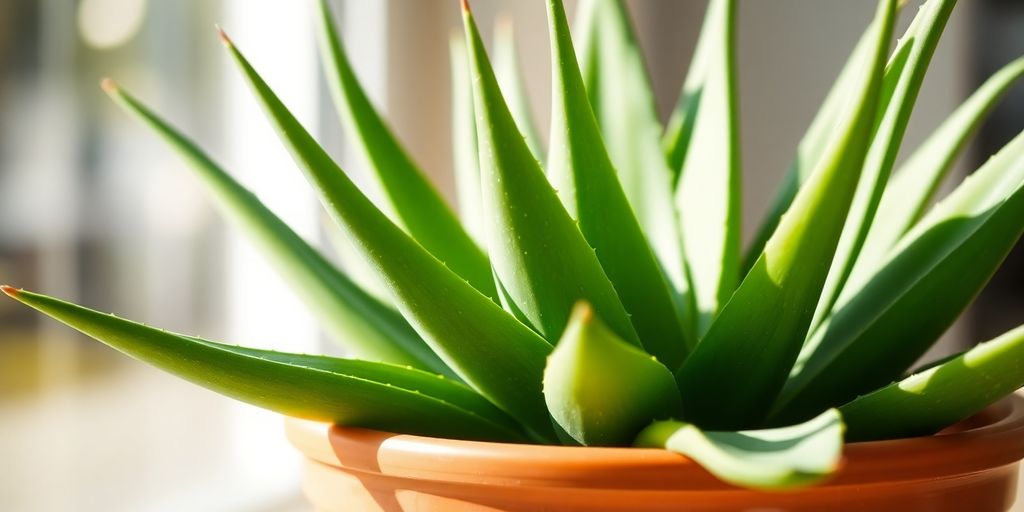
Aloe Vera is a plant that really does pull its weight. Not only does it look cool with those spiky, upright leaves, but it’s also like having a mini first-aid station right on your windowsill. The gel inside those thick leaves is famous for soothing burns and cuts, which is pretty handy. Plus, it’s super forgiving if you’re not great at remembering to water things.
This plant is practically built for people who are always on the go. It stores water in its leaves, so you can totally forget about it for a few weeks, and it’ll still be happy when you get back. Just make sure it gets plenty of bright light – think a sunny spot where it can soak up rays for at least six hours a day. When you do water it, give it a good soak, but then let the soil dry out completely before you even think about watering again. Using a mix that drains well, like a cactus blend with some perlite, is a good idea, and a terracotta pot helps keep the soil from getting too wet.
Here’s a quick rundown:
- Light: Needs bright, indirect light, or even a bit of direct sun.
- Watering: Water thoroughly only when the soil is completely dry, which might be every 3-4 weeks.
- Soil: Use a fast-draining mix, like a cactus or succulent blend.
- Bonus: The gel inside the leaves is great for minor burns and skin irritations.
Honestly, the biggest mistake people make with Aloe Vera is watering it too much. It’s a succulent, after all, and prefers to be a little dry than too wet. If the leaves start looking yellow or mushy, that’s a sure sign you’re overdoing it.
6. Philodendron
Philodendrons are a fantastic choice for anyone looking to add some green to their space without a lot of fuss. These plants are known for their vining habit and attractive heart-shaped leaves, which come in various colors and patterns depending on the variety. They’re pretty forgiving, which is a big plus when you’re busy.
The key to keeping a philodendron happy is getting the light and watering right, and thankfully, it’s not complicated.
Here’s a quick rundown on what they need:
- Light: Most philodendrons do best in bright, indirect light. Think of a spot near a window that gets sun in the morning or late afternoon, but avoid direct, harsh sunlight, which can scorch their leaves. They can also tolerate lower light conditions, but their growth might slow down, and the leaf colors might not be as vibrant.
- Watering: These plants like their soil to be kept lightly moist, but not soggy. A good rule of thumb is to water them when the top inch or two of the soil feels dry to the touch. Overwatering is a common mistake, so it’s better to err on the side of underwatering. If the leaves start to droop a bit, that’s usually a sign they’re thirsty.
- Soil & Potting: Use a well-draining potting mix. A standard houseplant mix with some added perlite or orchid bark works well. Make sure the pot has drainage holes to prevent water from sitting around the roots.
Philodendrons are quite adaptable. If you forget to water them for a week or two, they’ll likely bounce back once you remember. They also don’t mind average household humidity, making them suitable for most homes.
Some popular varieties include the ‘Brasil’ with its green and yellow striped leaves, the ‘Moonlight’ with its bright chartreuse new growth, and the ‘Micans’ with its velvety, heart-shaped leaves. No matter which you choose, you’re getting a plant that’s both beautiful and easy to care for.
7. Dracaena
Dracaena, often called the Corn Plant, is a popular choice for those who want a bit of tropical flair without a lot of fuss. These plants are known for their upright growth and can add a nice vertical element to a room. They’re pretty forgiving, which is great if you’re often on the go.
Dracaenas are quite adaptable when it comes to light, doing well in both bright, indirect light and lower light conditions. This makes them super versatile for different spots in your home or office. Just try to keep them out of direct, harsh sunlight, as that can scorch their leaves.
When it comes to watering, it’s better to err on the side of underwatering than overwatering. Let the top inch or two of soil dry out completely before you water again. Overwatering is the quickest way to cause problems, like root rot.
- Watering: Wait until the top 1-2 inches of soil are dry. Water thoroughly, then let it drain. Avoid letting the plant sit in water.
- Light: Prefers bright, indirect light but can tolerate lower light levels.
- Soil: Use a well-draining potting mix.
- Temperature: Average room temperatures are fine; avoid cold drafts.
Dracaenas are also known for their air-purifying qualities, helping to clean the air in your living space. They’re not too picky about humidity, so they’ll be happy in most homes.
If you notice the tips of the leaves turning brown, it might be a sign of dry air or inconsistent watering. A little misting now and then can help, especially in dry climates, but it’s not usually a deal-breaker if you forget.
8. Cast Iron Plant
If you’re looking for a plant that truly lives up to its name, the Cast Iron Plant (Aspidistra elatior) is your go-to. Seriously, this thing is tough. It hails from the shady floors of forests in China and Japan, so it’s built to handle less-than-ideal conditions. Think of it as the houseplant equivalent of a reliable old car – it just keeps going, no matter what.
This plant can tolerate very low light conditions, making it perfect for those dimly lit hallways or windowless offices. It’s not picky about humidity either, and it can handle drafts and temperature fluctuations like a champ. You really have to try hard to kill this one. Its leathery, dark green leaves are pretty forgiving, and they’ll stay looking good even if you forget about it for a while.
When it comes to watering, less is definitely more. You want to let the soil dry out between waterings. A good soak every two to three weeks is usually plenty, but always err on the side of underwatering to prevent root rot. It also doesn’t need much in the way of feeding; a little diluted fertilizer once in the spring is more than enough. Because it grows so slowly, you won’t need to repot it very often, maybe every four or five years. Just make sure it’s in a pot with drainage holes to help keep the soil from getting too soggy. If you want to keep its leaves looking their best, a quick wipe with a damp cloth every month will remove dust and help it photosynthesize better. Just be mindful if you have pets or small children, as the plant contains calcium oxalate crystals, which can cause irritation if ingested. You can find more detailed care instructions on how to care for your cast iron plant.
The Cast Iron Plant is a champion of neglect. It’s the kind of plant that thrives when you’re busy living your life, not fussing over it. Its resilience means you get to enjoy a bit of greenery without adding any stress to your already packed schedule.
9. Jade Plant
The Jade plant, scientifically known as Crassula ovata, is a fantastic choice for anyone who loves the look of a miniature tree but doesn’t have a lot of time for plant upkeep. Its thick, fleshy leaves and sturdy trunk give it a charming, almost bonsai-like appearance. These plants are succulents, which means they store water in their leaves and stems, making them incredibly drought-tolerant. You really don’t have to worry about them if you forget to water them for a few weeks – they’ll be just fine.
Jade plants are incredibly forgiving and can bounce back from neglect. They prefer bright, indirect light, so a spot near a sunny window that doesn’t get harsh afternoon sun is ideal. Overwatering is the main thing to avoid; it’s much better to underwater than overwater a jade plant. Let the soil dry out completely between waterings. This usually means watering maybe once every two to four weeks, depending on your home’s conditions.
Here’s a quick rundown of what they need:
- Light: Bright, indirect sunlight for at least six hours a day. Too much direct sun can sometimes cause the leaves to turn reddish.
- Water: Water thoroughly when the soil is completely dry. Reduce watering significantly in the winter months.
- Soil: Use a well-draining potting mix, like one formulated for cacti and succulents.
- Temperature: They like average room temperatures, between 55-80°F (13-27°C).
These plants are slow growers, so you won’t be repotting them very often. When you do need to repot, usually every 2-3 years, wait until the soil is dry to make it easier on the plant.
With their minimal needs and attractive appearance, jade plants are a solid addition to any low-maintenance plant collection. They really do look good with very little effort, making them a great pick for busy folks. You can find more details on their specific light needs at jade plants.
10. Lavender
Lavender, specifically English Lavender (Lavandula angustifolia), is a fantastic choice if you want a plant that smells amazing and looks pretty without demanding too much of your time. Seriously, it’s pretty forgiving. Just pop it in a sunny spot, and you’ll get silvery leaves, those iconic purple flower spikes, and a scent that’s super relaxing. It’s one of those plants that actually seems to do better when you don’t fuss over it too much.
One of the best things about lavender is that its natural oils help keep bugs away, so you probably won’t need to spray it with anything. Plus, it’s not too picky about soil as long as it drains well.
Here’s a quick rundown:
- Light: Needs at least six hours of direct sun every day. More sun actually makes it smell and look better.
- Water: Only water when the top inch of soil feels dry. Lavender really hates sitting in wet soil, so make sure your pot has good drainage.
- Soil: Use a gritty, fast-draining mix. A good combo is two parts cactus soil to one part coarse sand.
- Pruning: After it finishes blooming, trim the stems back by about a third. This helps keep the plant bushy and encourages more flowers.
Lavender is a plant that really rewards you for giving it the basics: sun and not too much water. It’s a great way to bring a bit of that spa-like fragrance into your home or onto your patio with minimal effort.
Bringing Greenery Into Your Busy Life
So, there you have it. Having plants doesn’t have to be a huge time commitment. We’ve looked at a bunch of options that can handle a bit of neglect and still look great. Whether you’ve got a super sunny spot or a darker corner, there’s likely a plant on this list that will work for you. You can totally bring some life and color into your home without adding a ton of stress to your already packed schedule. Just pick one, pop it in a pot, and enjoy the greenery without all the fuss.
Frequently Asked Questions
What makes a plant “low-maintenance”?
Low-maintenance plants are great because they don’t need a lot of attention. They can handle being forgotten about for a little while and don’t need constant watering or special conditions. This makes them perfect for people who are busy or new to taking care of plants.
Do low-maintenance plants still need care?
Even easy-care plants need some basic attention. You’ll still need to water them when the soil feels dry, make sure they get the right amount of light, and occasionally check for any problems. It’s less work, but not zero work.
Can these plants survive if I go on vacation?
Yes, many low-maintenance plants can survive for a few weeks without water, especially succulents like the Snake Plant or ZZ Plant. They store water in their leaves or stems, making them very forgiving if you forget to water them.
What kind of light do these plants need?
Most of these plants prefer bright, indirect light, but many can also do well in lower light conditions. Plants like the Snake Plant, ZZ Plant, and Peace Lily are known for tolerating shadier spots.
What kind of soil should I use for these plants?
It’s best to use a potting mix that drains well, like a cactus mix or a regular potting soil mixed with perlite. This helps prevent the roots from sitting in too much water, which can cause problems.
How do I know when to water my low-maintenance plant?
Some plants, like the Peace Lily, will droop noticeably when they need water, and then perk back up quickly after watering. Others, like succulents, show fewer signs and you’ll need to check the soil moisture yourself.