
Living in a small apartment doesn’t mean you have to skip out on having plants. In fact, with a little creativity, you can turn even the tiniest living space into a lush, green oasis. We’re talking about making plants a central part of your decor, not just an afterthought. Forget about floor space limitations; we’re going to look up, utilize surfaces, and get clever with plant stands to maximize your small-space plant decor. It’s all about making your home feel alive and vibrant, no matter the square footage.
Table of Contents
Key Takeaways
- Utilize vertical space with hanging planters, wall-mounted options, and tiered shelves to create a skyward garden.
- Maximize surfaces like windowsills, countertops, and shelves with compact greenery and plant clusters.
- Employ creative plant stands, including tiered and corner designs, and consider furniture with integrated plant features.
- Incorporate miniature plants and terrariums for whimsical touches and effortless greenery.
- Strategically place plants in bathrooms for humidity, to conceal imperfections, and to create focal points.
Embrace Vertical Space For Lush Small Space Plant Decor
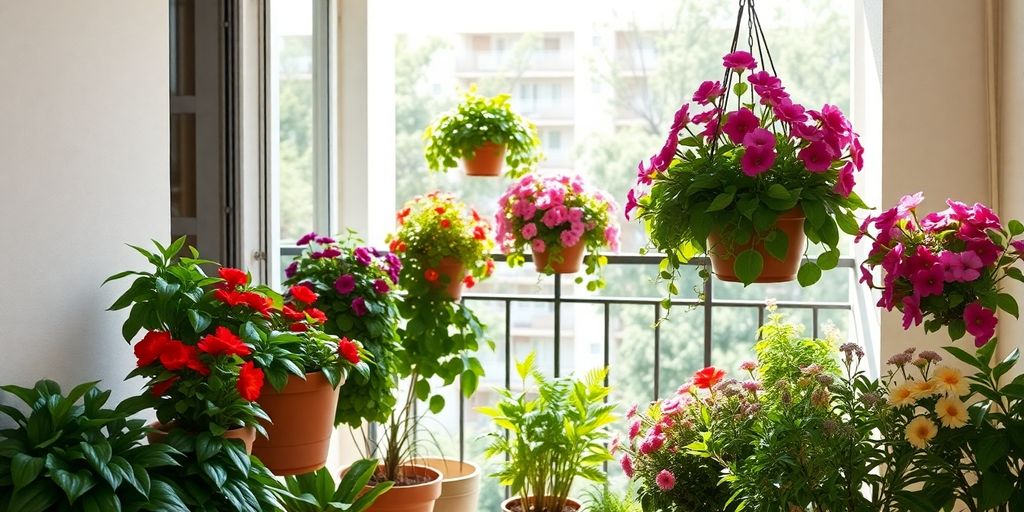
When you’re short on floor space, the best trick is to look up. Turning your walls and ceilings into a green zone can make a small apartment feel much bigger and way more interesting. It’s all about using that vertical real estate effectively.
Read Also: Office Desk Plant Decor: Green Ideas for Workspaces
Hanging Plants For A Skyward Garden
Hanging plants are fantastic for small spaces because they keep surfaces clear. Think of plants like Pothos, Spider Plants, or English Ivy. They trail nicely and draw the eye upward, giving the illusion of more height. You can use simple hooks in the ceiling or sturdy wall brackets. For a really cool look, try using macrame hangers or even repurposing old baskets. It’s a great way to add greenery without sacrificing any precious tabletop or floor space. You can even find some neat ideas for vertical vegetable gardens that work indoors. vertical vegetable garden
Wall-Mounted Planters For Living Art
Wall-mounted planters are another smart way to bring the outdoors in without cluttering your living area. These can range from minimalist ceramic pockets to more elaborate modular systems that let you create a living wall. Arranging several together can create a stunning focal point, like a piece of art. They’re perfect for adding a splash of green to a blank wall in the living room, bedroom, or even a hallway. Consider different textures and colors of planters to make it even more visually appealing.
Ladder Shelves And Tiered Displays
Ladder shelves and tiered plant stands are brilliant for small apartments. They allow you to display multiple plants at different heights, creating a dynamic arrangement. A ladder shelf can lean against a wall and hold several pots, while tiered stands let you stack plants vertically. This approach not only saves space but also adds a lot of visual interest. It’s a great way to group plants with similar light needs together, making care easier too. You can find some really stylish options that fit right into your decor.
Using vertical space is key to making a small apartment feel open and lush. Don’t be afraid to think upwards when planning your plant display. It’s surprising how much greenery you can fit when you utilize walls and ceilings effectively.
Maximize Surfaces With Compact Greenery
When floor space is tight, don’t despair! Your apartment’s surfaces are prime real estate for bringing in some green life. Think of your windowsills, countertops, and shelves not just as places to put things, but as mini stages for your plant collection. It’s all about choosing the right plants and arranging them smartly to make a big impact without taking up too much room.
Windowsill Wonders for Sun-Loving Plants
Your windowsills are basically VIP spots for plants that soak up the sun. This is where those low-maintenance succulents and cacti really shine. They don’t need much space and are super forgiving, making them perfect for apartment living. Just keep an eye on the sun’s intensity, especially in the summer – sometimes a sheer curtain can be your friend to prevent scorching. Also, think about which way your windows face; south-facing windows get the most sun, while north-facing ones get the least.
- Succulents: Great for bright, indirect light. Water sparingly.
- Cacti: Love direct sunlight. Water even less than succulents.
- Herbs: Many herbs like basil and mint can do well on a sunny windowsill.
Countertop Clusters for Instant Charm
Don’t underestimate the power of a few small plants grouped together on your kitchen counter or a side table. It’s an easy way to add a pop of color and life. Consider small pots with trailing plants like Pothos or a few cute little air plants. Grouping plants of varying heights and textures can create a more dynamic look. It’s like a mini indoor garden that’s always within reach.
Grouping plants of different sizes and textures together on a countertop can add depth and warmth to your living space. It’s a simple trick that makes a big difference.
Shelf Styling with Plant-Packed Displays
Shelves are fantastic for displaying plants, especially if you have a collection. You can mix and match different pot styles and sizes to create a curated look. Consider using plant stands on shelves to add height variation. For shelves that don’t get a lot of natural light, think about low-light tolerant plants like Snake Plants or ZZ Plants. Rotating your plants regularly is also a good idea to ensure they grow evenly, especially if one side gets more light than the other.
Creative Plant Stands To Elevate Your Decor
Plant stands are a fantastic way to add some flair and height to your plant collection, especially when you’re working with limited square footage. They’re not just about keeping plants off the floor; they can really change the whole vibe of a room. Think of them as little pedestals that give your green friends the spotlight they deserve.
Tiered Stands for a Botanical Statement
Tiered plant stands are like a mini-jungle on one footprint. They let you stack plants, creating a really lush look without taking up much floor space. You can find them in all sorts of styles, from modern metal designs to rustic wood ones. They’re great for grouping plants with similar light needs together, making care a bit simpler too. Plus, the different heights add visual interest, making your plant display feel more dynamic and less like just a row of pots.
Corner Stands to Fill Awkward Nooks
Got a weird corner that just collects dust? A corner plant stand is your answer. These are usually designed to fit snugly into a corner, turning a forgotten spot into a green oasis. They often have a triangular base that fits against the walls. Some are simple, single-tier stands, while others have multiple levels, letting you really pack in the greenery. It’s a smart way to use space that might otherwise go to waste.
Multi-Functional Furniture with Plant Integration
Why have furniture that only does one thing? Some tables, shelves, and even benches come with built-in spots for plants. Imagine a coffee table with a little planter box in the middle, or a bookshelf with specific cutouts for pots. This kind of furniture is a double win: it serves its primary purpose and also incorporates your love for plants directly into the design. It’s a really efficient way to get more green into your apartment without adding extra items.
Using plant stands can really change how your apartment feels. They lift plants up, making them more visible and adding layers to your decor. It’s a simple trick that makes a big difference in making a small space feel more alive and styled.
Miniature Plants And Terrariums For Whimsical Touches
Sometimes, you just want a little bit of green without taking up a ton of space, right? That’s where miniature plants and terrariums really shine. They’re like the tiny, charming cousins of the plant world, perfect for adding a bit of whimsy to your apartment. Think of them as little living art pieces that don’t demand much room.
Tiny Terrariums As Desktop Paradises
Terrariums are basically self-contained little worlds in glass. You can create a whole miniature landscape with tiny plants, some cool rocks, and maybe a bit of moss. They’re surprisingly easy to put together and make your desk or a shelf feel so much more alive. You can even get a complete terrarium kit that has everything you need, including the plants and instructions, which is super handy if you’re new to this. It’s a fun project that results in something really pretty.
Air Plants For Effortless Greenery
Air plants, or Tillandsia, are pretty neat because they don’t even need soil. They get their nutrients from the air, which is wild. This makes them super flexible for decorating. You can pop them in little holders, nestle them in shells, or even hang them. They’re low-maintenance and add a modern, airy feel to any corner. Just remember to give them a good soak or mist them regularly.
Succulents And Cacti In Small Pots
Succulents and cacti are the classic choices for small spaces, and for good reason. They’re tough, don’t need much water, and come in all sorts of interesting shapes and textures. Putting a few of them in small, cute pots on a windowsill or a side table can make a big difference. They’re like little sculptures that just happen to be alive. Plus, they’re really forgiving if you forget to water them once in a while, which, let’s be honest, happens.
When picking out plants for your terrarium or small pots, try to group plants that have similar needs for light and water. This makes caring for them a lot simpler and helps them all thrive together in their little space.
Strategic Placement For Impactful Small Space Plant Decor
Sometimes, where you put your plants is just as important as the plants themselves. It’s all about making them work for your space, not against it. Think about those awkward corners that just seem to collect dust – a tall, leafy plant can totally transform that dead space into a cozy nook. Or maybe you have a less-than-attractive thermostat or light switch you’d rather not look at? A strategically placed larger plant can act as a natural screen, hiding those eyesores and adding a touch of green.
Utilize Bathrooms For Humidity-Loving Plants
Bathrooms are often overlooked as plant spots, but they can be perfect for certain types of greenery. The natural humidity from showers and baths creates a tropical environment that many plants adore. Think ferns, calatheas, or even an orchid. These plants can really thrive in a bathroom setting, adding a spa-like feel to your daily routine.
Conceal Imperfections With Leafy Friends
Got a scuff mark on the wall? A slightly wonky outlet cover? Instead of staring at it, use a plant to draw the eye elsewhere. A trailing pothos spilling out of a wall planter or a bushy ZZ plant on a small stand can effectively camouflage minor imperfections. It’s a simple trick that makes a big difference in how polished your space looks.
Create Focal Points In Unexpected Corners
Don’t let those forgotten corners go to waste. A large plant in a beautiful pot can anchor a small room and create a stunning focal point. It gives the space a sense of purpose and makes it feel more intentional. Even a small, oddly shaped nook can become a charming little plant display with the right greenery. It’s amazing how a bit of nature can make even the most awkward spaces feel intentional and inviting.
Lighting Solutions For Thriving Apartment Plants
Living in an apartment often means dealing with less-than-ideal light conditions. But don’t let that stop your plant dreams! Figuring out the lighting situation is a big part of keeping your green pals happy and healthy.
Choosing Plants for Low-Light Apartments
If your place doesn’t get a ton of sun, you’re not out of luck. Plenty of plants actually do pretty well without direct light. Think about plants like Snake Plants (Sansevieria) or ZZ Plants (Zamioculcas zamiifolia). They’re known for being tough and can handle dimmer spots. Pothos and Spider Plants are also good choices; they’re pretty forgiving and can add a nice bit of green without needing a sunny window.
- Snake Plant: Tolerates low light, doesn’t need much water.
- ZZ Plant: Very drought-tolerant, can survive in very low light.
- Pothos: Vining plant, shows you when it needs water by drooping a bit.
- Spider Plant: Easy to care for, produces little baby plants.
It’s important to remember that ‘low light’ doesn’t mean ‘no light.’ Even these tough plants need some ambient light to survive. Try to place them in spots that get some natural light, even if it’s indirect or filtered.
Utilizing Grow Lights for Year-Round Growth
Sometimes, natural light just isn’t enough, especially during shorter winter days or if your apartment faces away from the sun. That’s where grow lights come in handy. They give your plants the specific light wavelengths they need to photosynthesize and grow, no matter the season.
There are a few types to consider:
- LED Grow Lights: These are super popular because they’re energy-efficient, don’t get too hot, and come in various spectrums. You can find full-spectrum LEDs that mimic natural sunlight.
- Fluorescent Grow Lights: A more budget-friendly option, often used for seedlings or plants that don’t need intense light. They can be a bit bulkier.
- Incandescent Grow Lights: Generally not recommended for plants as they produce too much heat and not the right light spectrum for healthy growth.
When using grow lights, placement is key. You want them close enough to be effective but not so close that they scorch the leaves. Most LEDs work well a foot or two away from the plant canopy.
Positioning Plants Near Natural Light Sources
Even with grow lights, maximizing natural light is always a good idea. Your windowsills are prime real estate! Plants that love sun, like succulents and cacti, will do best on south-facing windowsills. If you have east or west-facing windows, they’re great for plants that prefer bright, indirect light.
- South-facing windows: Best for sun-loving plants like succulents, cacti, and some flowering plants.
- East-facing windows: Provide gentle morning sun, good for plants that like bright, indirect light.
- West-facing windows: Offer bright afternoon sun, which can be intense, so some plants might need to be pulled back slightly.
- North-facing windows: Offer the least amount of direct light, ideal for shade-tolerant plants.
Don’t forget to rotate your plants every week or so. This helps them grow evenly and prevents them from leaning too much towards the light source. It’s a simple step that makes a big difference in how your plants look and grow in a small space.
Your Small Space, Greener Than Ever
So, there you have it! Living in a smaller place doesn’t mean you have to skip out on the joy of plants. We’ve talked about using your walls and ceilings with hanging and wall-mounted planters, making the most of windowsills, and even using furniture that doubles as plant stands. Don’t forget about those cute little terrariums or choosing plants that don’t need a ton of light. It’s all about getting creative and finding what works for your home. With these ideas, you can totally bring that lush, green vibe into your apartment and make it feel like your own little oasis. Happy planting!
Frequently Asked Questions
How can I add plants if I have very little floor space?
You can use hanging planters, wall-mounted pots, or tiered shelves to make the most of your vertical space. Plants like Pothos or Ivy look great growing upwards!
What kind of plants work best on a windowsill?
Small plants like succulents and cacti are perfect for windowsills because they love sunlight and don’t need much room. Just make sure they don’t get too much direct sun in the hottest part of the day.
Are there furniture pieces that can hold plants?
Look for furniture that has built-in spots for plants, like coffee tables with planters or side tables with shelves. This way, your furniture does double duty!
What are some small, easy-to-care-for plant options?
Terrariums with tiny plants, air plants, or small succulents and cacti are great because they are small and easy to care for. They add a cute, unique touch to your space.
Where are the best places to put plants in a small apartment?
Bathrooms are great for plants that like humidity, like ferns. You can also use plants to cover up things you don’t like, like an outlet, or place a tall plant in an empty corner to make it look more balanced.
What if my apartment doesn’t get a lot of natural light?
If your apartment doesn’t get much sunlight, choose plants like Snake Plants or ZZ Plants, which do well in low light. You can also use grow lights to help them get the light they need.