
Table of Contents
Introduction – Why Plants Are the New Home Essential
When you step into a home filled with greenery, it instantly feels alive, fresh, and inviting. Plants are no longer just accessories for people with green thumbs—they’ve become essential styling elements in modern interior design. They bring warmth, add pops of color, and even improve air quality, making them a perfect balance of beauty and function. Think of them as the jewelry of your home: a well-placed plant can transform a dull corner into a cozy retreat, while a collection of lush greenery can make a room feel like a serene sanctuary.
In today’s fast-paced world, we all crave a little piece of nature indoors. With stylish plant décor, you can enjoy that natural vibe without needing a sprawling garden. From chic planters that match your furniture to creative ways of displaying greenery, the possibilities are endless. Whether you live in a compact apartment or a spacious home, plants add charm, elegance, and personality. The trick lies in knowing how to choose the right plants and style them to fit your aesthetic.
In this guide, we’ll dive deep into creative plant décor ideas—from selecting beginner-friendly plants to decorating different rooms of your home. Get ready to discover how a touch of green can completely transform your space and make your home feel more alive than ever. Stylish Plant Decor Tips!
Choosing the Right Plants for Your Space
Low-Maintenance Plants for Beginners
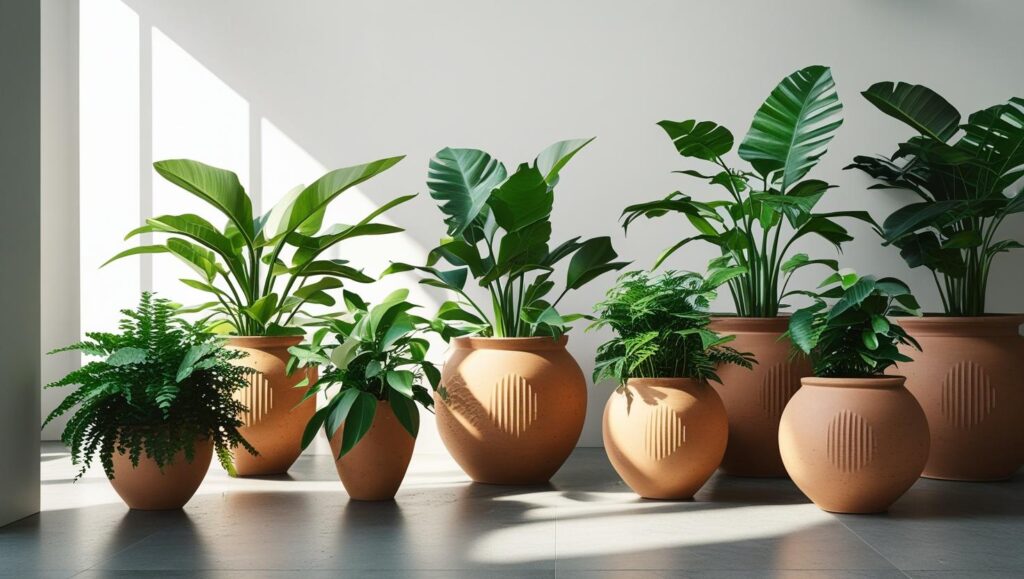
Not everyone has the time—or the patience—to fuss over delicate plants. If you’re just starting your plant journey, it’s best to stick with hardy, low-maintenance options. Think of plants like the Snake Plant, pothos, or ZZ plant. These green beauties can thrive even if you forget to water them now and then, making them perfect for busy homeowners or those who claim to have a “black thumb.”
The beauty of low-maintenance plants is that they still look stylish and add charm without requiring daily attention. For example, the snake plant has sleek, upright leaves that blend effortlessly with modern and minimalist interiors. Pothos, with its trailing vines, looks stunning on shelves or in hanging planters, giving your space an instant touch of drama.
The best part? These plants are versatile. They don’t need bright, direct sunlight, which means you can place them in almost any room. With a little care, they can grow into statement pieces that last for years. Start with one or two low-maintenance plants and slowly build your collection—you’ll be amazed at how quickly they elevate your home.
Read Also: bedroom air purifying decor
Statement Plants That Steal the Show
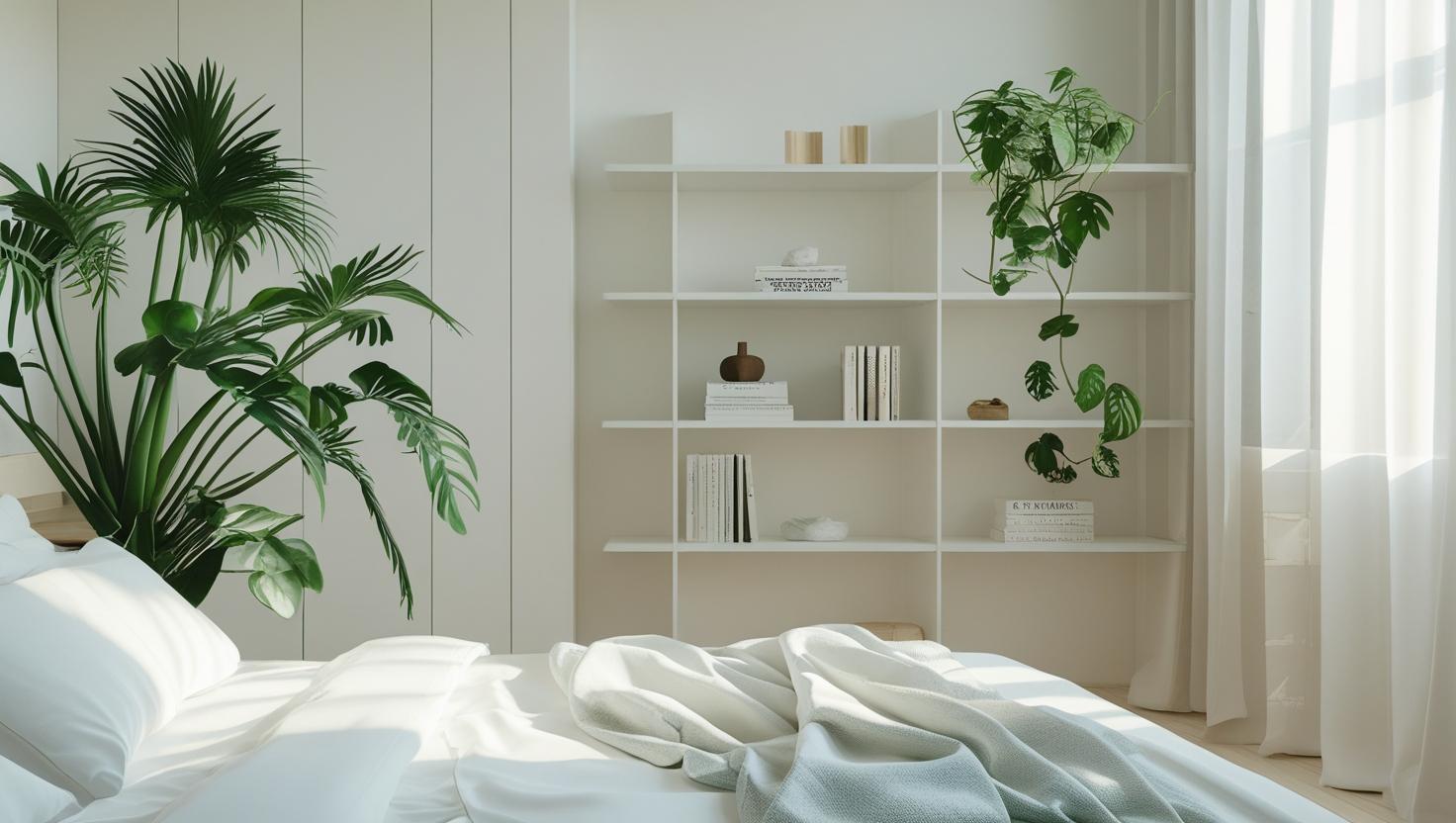
Every home deserves at least one plant that makes people stop and say, “Wow.” Statement plants are the bold showstoppers of plant décor. Think of the fiddle-leaf fig with its broad, glossy leaves, or a monstera with its iconic split foliage. These plants have a presence that can rival a piece of art or a designer lamp in your living room.
The key to styling statement plants is placement. Give them space to shine—don’t crowd them in a corner where they’ll get lost among furniture. Instead, use them as focal points, like placing a tall palm in the living room near a sunny window or positioning a large monstera next to a stylish lounge chair. Pair them with elegant pots or baskets that enhance their beauty rather than distract from it.
Statement plants work especially well in open spaces with lots of natural light. They add drama, scale, and a sense of lushness that smaller plants simply can’t achieve. If you’re looking to make a design impact without buying a dozen small plants, a single statement piece can completely transform the vibe of your space.
Air-Purifying Plants for Health and Style
Stylish décor doesn’t just mean looking good—it can also mean feeling good. Air-purifying plants are a fantastic way to combine aesthetics with wellness. Plants like peace lilies, Boston fern plants, and Spider Plants are not only beautiful but also help cleanse indoor air by removing toxins and increasing oxygen levels.
Imagine having a stunning Peace Lily in your bedroom. Not only does it add elegance with its white blooms, but it also helps you breathe cleaner air while you sleep. Or picture a spider plant hanging in your kitchen—it’s low-maintenance, safe for pets, and keeps the atmosphere fresh.
Styling air-purifying plants is easy because they come in various shapes and sizes. Peace lilies work well as centerpieces, while spider plants are perfect for hanging baskets. You can even group several smaller air-purifying plants together to create a mini “green wellness corner.”
By choosing air-purifying plants, you’re not just decorating your home—you’re also investing in your health and well-being. It’s the perfect blend of function and style, proving that plants can truly do it all.
Read Also: Plants That Clean Air: Natural Purifiers for a Healthier Home
Creative Plant Display Ideas
Hanging Planters for Vertical Interest
One of the smartest ways to decorate with plants—especially in smaller homes—is to use vertical space. Hanging planters are a stylish solution that keeps your floors clear while still adding that much-needed greenery. Whether you choose macramé hangers for a boho vibe or sleek metal ones for a modern touch, hanging plants create instant visual interest.
Trailing plants like pothos, ivy, or string of pearls look particularly stunning when displayed this way. Their cascading leaves soften harsh corners and make rooms feel more organic. You can hang them near windows for a sun-kissed effect or use them to frame doorways and entryways.
Hanging planters are also practical. They free up table and floor space, making them ideal for small apartments or minimalistic setups. Plus, they draw the eye upward, making ceilings appear higher and rooms feel more spacious.
For a creative twist, try mixing different lengths and planter styles in one area to create a “green chandelier” effect. It’s an effortless way to add character, dimension, and charm to any space.
Wall-Mounted Greenery and Living Walls
If you really want to take plant décor to the next level, consider wall-mounted greenery. Living walls—or vertical gardens—turn entire walls into stunning plant displays. Imagine a lush, green backdrop in your dining room or a leafy accent wall in your home office—it’s like bringing the outdoors inside.
The great thing about wall-mounted greenery is its versatility. You don’t need to go all out with a full green wall. Even a few mounted planters arranged in a creative pattern can make a huge impact. Geometric shelves with small succulents, or wall vases filled with trailing vines, instantly elevate bare walls without needing expensive artwork.
Not only do living walls look incredible, but they also improve air quality and add humidity to the air—perfect for dry environments. While they require a little more maintenance than traditional potted plants, the payoff in style and atmosphere is worth it.
If you want your home to stand out and feel truly unique, a living wall is one of the boldest and most stylish plant décor ideas out there.
Unique Plant Stands and Shelves
Sometimes, it’s not just the plant but also how you display it that makes a difference. Plant stands and shelves allow you to play with heights, arrangements, and styles, turning simple plants into striking design elements.
For a modern look, try sleek metal stands in black or gold that highlight the plant without overshadowing it. For something cozier, wooden ladder shelves with potted plants at varying levels create a rustic, lived-in charm. You can even repurpose old furniture, like a vintage side table, as a plant display stand.
Using stands and shelves also allows you to group plants together, creating mini indoor gardens. Grouping plants of different heights and textures makes the space look dynamic and curated, almost like a styled photoshoot.
The best part? Stands and shelves make it easy to move plants around, so you can refresh your décor whenever you feel like it. It’s a flexible, stylish, and practical way to let your plants shine.
Styling Plants with Different Home Décor Themes
Minimalist Plant Decor for Modern Homes
Minimalist design is all about simplicity, clean lines, and purposeful details. Plants, when used thoughtfully, can be the perfect accent in such spaces. Instead of crowding a room with greenery, minimalism calls for restraint—choosing one or two plants that act as intentional focal points. For instance, a tall snake plant in a sleek white planter complements the minimalist vibe by adding structure without overwhelming the room.
The trick is balance. In a minimalist home, every item is chosen with care, so your plant décor should follow the same principle. Opt for neutral-colored planters like black, white, or gray, and avoid too many decorative extras. A single monstera leaf in a slim glass vase on a coffee table can be just as impactful as a full arrangement of greenery.
Minimalist plant décor also thrives on negative space. Instead of filling every corner, place your plants in areas where they create contrast—like against a plain white wall or beside a streamlined sofa. This not only emphasizes the beauty of the plant but also maintains the calm, uncluttered feeling that minimalism is known for.
By keeping things simple, you let the natural beauty of the plants shine through, making them the star of your décor while still staying true to a minimalist aesthetic.
Bohemian Vibes with Layered Greenery
If minimalism is about “less is more,” bohemian style flips the script—it’s about abundance, personality, and layering. Plants are at the heart of boho décor because they bring that lush, free-spirited energy that defines the look. Imagine walking into a room filled with hanging planters, trailing vines, and floor baskets overflowing with greenery—it feels cozy, lived-in, and vibrant.
The secret to bohemian plant décor is variety. Mix plants of different shapes, sizes, and textures. Pair tall palms with trailing pothos and leafy ferns to create a layered jungle-like vibe. Don’t be afraid to mix planters either—clay pots, woven baskets, and colorful ceramics all work together in a boho setup.
Another key element is placement. Scatter plants across the room—on shelves, windowsills, and the floor—so your space feels organic rather than staged. Macramé plant hangers are practically a boho essential, adding texture while showcasing your greenery in style.
Boho plant décor isn’t just about looks—it’s about creating a warm, welcoming space that feels natural and artistic. The more eclectic and vibrant your plant collection, the closer you’ll get to that perfect bohemian atmosphere.
Rustic and Farmhouse Plant Styling
Rustic and farmhouse styles lean heavily on natural elements, and plants fit right in. Think cozy country homes, wooden furniture, and vintage charm—all complemented by greenery that feels earthy and authentic. Instead of sleek, modern planters, rustic décor calls for natural materials like terracotta pots, galvanized metal buckets, or even mason jars turned into plant holders.
The plants themselves should feel relaxed and unfussy. Herbs like rosemary, thyme, or basil look charming in a farmhouse kitchen, while small potted succulents on a wooden dining table bring a simple, homey touch. Larger plants like olive trees or fiddle-leaf figs in woven baskets can anchor living spaces with rustic elegance.
Another great idea is using repurposed items as planters—old wooden crates, watering cans, or enamel bowls. These add character while staying true to the farmhouse aesthetic. To finish the look, group plants near rustic elements like exposed beams, stone fireplaces, or reclaimed wood furniture.
Rustic plant décor isn’t about perfection—it’s about charm, warmth, and that “lived-in” feeling. When done right, plants add just the right amount of life to a farmhouse-inspired home, making it feel both stylish and cozy.
Luxury Interiors with Elegant Planters
In luxury interiors, every detail counts—and plant décor is no exception. Plants can bring sophistication to upscale spaces, but it’s all about how you style them. Instead of casual baskets or DIY containers, luxury décor calls for polished, high-end planters made from materials like marble, brass, or ceramic with glossy finishes.
For a chic and elegant touch, go for plants that have a sculptural quality. Orchids, bonsai trees, and tall palms instantly elevate a room, while large monstera or fiddle-leaf figs can make a grand statement in a spacious living area. Pairing these plants with elegant planters ensures they enhance the space rather than feel out of place.
Luxury plant décor also emphasizes symmetry and placement. A pair of identical planters flanking a doorway, or a tall palm strategically placed beside a designer armchair, creates balance and visual harmony. Lighting also plays a big role—spotlights or natural light highlighting your greenery can make them look like art pieces.
Done well, plants in luxury interiors bring life, color, and freshness without disrupting the refined elegance of the space. They become part of the design language—sophisticated, intentional, and timeless.
Choosing the Right Planters and Pots
Matching Materials and Colors with Furniture
Planters aren’t just containers—they’re design elements in their own right. The right pot can either enhance or clash with your existing furniture, so choosing carefully makes a big difference. If your furniture leans modern, sleek ceramic or metallic planters in neutral tones often work best. For rustic interiors, terracotta or wooden planters blend seamlessly.
Think of planters as fashion accessories for your plants—they should complement your “outfit” (the room’s furniture) rather than compete with it. For instance, if you have a lot of warm-toned wooden furniture, clay or earthy-toned pots create harmony. On the other hand, glossy white or black planters can pop against minimalist furniture and give a crisp, contemporary feel.
Another way to tie furniture and planters together is through repetition. If you have brass accents in your furniture or lighting, brass planters help create a cohesive look. Similarly, matching textures—like pairing rattan chairs with woven baskets as plant holders—creates flow and unity in the room.
By treating planters as part of your décor palette, you ensure your greenery feels integrated into your home design, not just added as an afterthought.
Eco-Friendly and Sustainable Pot Options
In today’s world, sustainability is as stylish as it is responsible. Eco-friendly planters are not only good for the planet but also add character and uniqueness to your home décor. Options like biodegradable pots, recycled plastic containers, or handmade clay planters bring a sense of authenticity while reducing waste.
One popular choice is using upcycled containers—old tins, baskets, or even broken ceramics turned into planters. These not only save materials from landfills but also give your home a quirky, one-of-a-kind charm. Bamboo and jute planters are also great eco-friendly alternatives that fit perfectly into natural and bohemian interiors.
What’s more, eco-friendly planters often come in earthy tones and textures that complement greenery beautifully. They remind us that style doesn’t have to come at the cost of sustainability.
By consciously choosing sustainable options, you make your plant décor not just about beauty but also about values—showing that stylish homes can also be kind to the planet.
Mixing Shapes, Sizes, and Heights for Balance
One of the simplest tricks to make your plant décor look professionally styled is to play with variety. Mixing planters of different shapes, sizes, and heights creates visual interest and prevents the space from looking monotonous.
For example, pair a tall floor plant in a large planter with a few smaller potted plants on a coffee table. This creates layers that draw the eye around the room. Similarly, mixing round pots with angular ones or glossy finishes with matte textures adds dimension and richness to your décor.
The key is balance. While variety is great, you don’t want the look to feel chaotic. Stick to a consistent color palette or material theme to keep everything cohesive. For instance, you might use all white pots in different shapes, or stick with natural materials like clay and wood but vary the sizes.
This approach mimics how plants grow in nature—tall trees surrounded by medium shrubs and smaller ground cover. By applying the same principle indoors, your space feels more organic, layered, and visually appealing.
Plant Decor in Different Rooms of the House
Living Room Focal Points
The living room is often the heart of the home—and the perfect place to showcase your most stylish plant décor. A well-placed plant can serve as a focal point that ties the whole room together. Large statement plants like fiddle-leaf figs, bird-of-paradise, or palms work beautifully in living rooms with space to spare.
But you don’t always need big plants to make an impact. Grouping smaller plants on coffee tables, side tables, or open shelving adds charm and character without overwhelming the room. Trailing plants like pothos or philodendron are especially effective on shelves, creating movement and visual flow.
The key to styling plants in the living room is balance. You don’t want greenery competing with your main furniture pieces, but rather complementing them. A tall plant in an empty corner, for instance, can soften sharp lines and make the space feel more inviting. Similarly, smaller plants on a TV stand or bookshelf can add life to areas that otherwise feel static.
With thoughtful placement, plants transform the living room into a warm, welcoming space where guests immediately feel at ease.
Kitchen Herb Corners
The kitchen is one of the most functional rooms in the house, but that doesn’t mean it can’t be stylish. Plants, especially herbs, bring both beauty and practicality to this space. Imagine fresh basil, mint, or rosemary growing in small pots right on your windowsill—always within reach for cooking while also making the kitchen look vibrant and fresh.
Creating a dedicated herb corner is easy. You can line up small pots on the counter, hang planters near a sunny window, or even install a tiered shelf for multiple herbs in one spot. For modern kitchens, sleek white or black planters keep the look streamlined. For rustic or farmhouse kitchens, mason jars or terracotta pots add that homely charm.
Herbs are not just useful but also fragrant, filling the kitchen with natural aromas that make cooking more enjoyable. Plus, their small size makes them easy to move around or replant as needed.
With a little creativity, your kitchen herb corner can become both a functional cooking aid and a stylish décor element.
Bedroom Plants for Relaxation
The bedroom is your sanctuary—a space to rest, recharge, and unwind. Plants can play a powerful role in enhancing this sense of calm. Not only do they add beauty, but certain plants can actually promote better sleep and relaxation. For example, lavender, jasmine, and peace lilies are known for their calming effects, while snake plants help purify the air at night.
When styling bedroom plants, subtlety is key. You don’t want a jungle overwhelming your sleeping area, but a few carefully chosen pieces can transform the room into a serene retreat. Place a small potted lavender or aloe vera on your bedside table for a soothing touch, or add a taller plant like a rubber plant in a corner to balance the space. Hanging planters with trailing greenery near a window can also create a dreamy, soft effect.
To keep the look cohesive, choose planters that match your bedroom’s aesthetic. Ceramic pots in muted colors work well for minimalist bedrooms, while woven baskets complement boho or rustic styles. The right combination of greenery and décor makes your bedroom feel like a cozy, natural oasis.
Adding plants to your bedroom isn’t just about style—it’s about creating an environment that supports your well-being, helping you wake up refreshed and ready for the day.
Read Also: The Science Behind Plants and Improved Psychological Well-Being
Bathroom Plants for a Spa-Like Feel
The bathroom might not be the first place you think of when it comes to plant décor, but it’s actually one of the best rooms to experiment with greenery. The natural humidity from showers creates an ideal environment for many tropical plants, making your bathroom feel like a mini indoor jungle.
Ferns, orchids, and pothos thrive in humid conditions and look stunning when styled in bathrooms. You can place a fern on a shelf, hang trailing vines near the mirror, or even add a small orchid on the sink counter for an elegant touch. For larger bathrooms, bamboo or a peace lily in a floor planter instantly elevates the spa-like vibe.
Plants in the bathroom do more than just look good—they create a calming atmosphere that makes your daily routine feel more indulgent. Imagine soaking in a tub surrounded by lush greenery—it’s like having a spa retreat in your own home.
If your bathroom doesn’t get much natural light, don’t worry. Many plants, like ZZ plants and snake plants, can survive in low-light conditions. Alternatively, you can use grow lights to ensure your greenery thrives.
Adding plants here is a simple but powerful way to make your bathroom feel fresh, luxurious, and rejuvenating.
Seasonal Plant Decor Ideas
Fresh Spring Blossoms
Spring is all about renewal and freshness, and your plant décor can reflect that energy. Bright, flowering plants like tulips, daffodils, or hyacinths bring cheerful pops of color indoors, making your home feel alive after winter. These seasonal plants look stunning on dining tables, windowsills, or entryway consoles, greeting you with vibrant hues the moment you walk in.
Beyond flowers, spring is a great time to introduce fresh greenery like ferns and pothos. Their lush leaves embody the season’s sense of growth and vitality. Pairing them with pastel-colored planters or baskets enhances the soft, cheerful vibe of spring décor.
For a more playful touch, create mini spring arrangements by mixing small flowering plants with herbs in decorative trays. These can be rotated around the house depending on your mood or seasonal celebrations like Easter.
The beauty of spring plant décor is that it instantly lifts the atmosphere, making your home feel brighter, more colorful, and full of life. It’s a celebration of growth that sets the tone for the rest of the year.
Cozy Autumn Greenery
Autumn brings a shift in mood—warmer tones, cozy textures, and a sense of comfort. Your plant décor can mirror that seasonal change by incorporating earthy hues and seasonal arrangements. Plants with warm-toned foliage, like crotons or coleus, fit perfectly with autumn décor. Their rich reds, oranges, and yellows echo the falling leaves outside.
You can also bring in dried plants or ornamental grasses like pampas grass for a rustic, seasonal touch. Place them in tall vases on the dining table or living room console to create a cozy fall centerpiece. Pair these with ceramic or terracotta pots in earthy tones to complete the autumn vibe.
Another idea is mixing plants with seasonal accents—think pumpkins, pinecones, or woven baskets filled with greenery. These combinations create a warm, inviting feel that matches the season’s aesthetic.
With the right touches, your home will feel snug and stylish, perfect for cozy nights indoors as the weather cools down.
Read Also: Beyond Decoration: How Plants Act as Mood-Boosters
Winter-Friendly Indoor Plants
Winter often makes us crave warmth and greenery, especially when the outdoors feel gray and bare. Indoor plants become essential during this season, both for aesthetics and for maintaining a lively atmosphere. Hardy plants like snake plants, ZZ plants, and succulents thrive indoors during winter, requiring minimal light and water.
For a festive touch, you can incorporate small evergreens, poinsettias, or amaryllis. These plants bring holiday cheer and seasonal charm, doubling as décor during celebrations. Add fairy lights around larger plants or place mini evergreens in decorative pots for an instant cozy effect.
Winter is also a great time to focus on air-purifying plants, as homes tend to be more closed off. Plants like spider plants and peace lilies help keep indoor air fresh, making your home healthier and more inviting.
By choosing the right winter-friendly plants, you ensure that your home remains stylish and vibrant even when the weather outside is bleak. It’s like bringing a little piece of summer sunshine indoors.
Caring for Plants While Keeping Them Stylish
Watering Hacks for Busy Homeowners
One of the biggest challenges for plant lovers is remembering to water them regularly. The good news? There are plenty of hacks to keep your plants thriving without much effort. For instance, self-watering pots are a lifesaver for busy homeowners. They store water in a reservoir, allowing the plant to absorb moisture as needed—no more worrying about daily watering.
Another trick is using ice cubes for watering. Just place a few cubes in the soil, and they’ll melt slowly, giving your plant the perfect amount of hydration without overwatering. For plants that like humidity, like ferns or orchids, grouping them together helps create a micro-climate where they retain moisture naturally.
Consistency is more important than frequency. Instead of watering on a strict schedule, check the soil moisture by sticking your finger about an inch deep. If it feels dry, it’s time to water. This prevents both overwatering and underwatering, which are the most common reasons plants struggle.
Stylish plant décor doesn’t mean high-maintenance care. With the right watering hacks, you can enjoy lush, healthy greenery without it becoming a daily chore.
Lighting and Placement Tips
Light is just as important as water when it comes to keeping plants healthy and stylish. But not all plants need the same type of light. Understanding this can save you frustration and keep your décor looking vibrant.
Bright, direct light is perfect for sun-loving plants like cacti, succulents, and bird-of-paradise. Place these near south-facing windows where they can soak up plenty of sunshine. On the other hand, low-light plants like snake plants, pothos, and ZZ plants thrive in dimmer corners, making them great for rooms with less natural light.
Stylish placement also means considering the plant’s visual impact. Use taller plants to frame furniture, like placing a palm beside a sofa, while smaller plants work beautifully as tabletop accents. Hanging or trailing plants look best near windows or on shelves where their growth can be showcased.
If your home doesn’t get much natural light, don’t worry. Grow lights are a modern, stylish solution that can mimic sunlight and keep your plants thriving year-round.
By combining style with practicality, you can place plants where they look stunning while still giving them the light they need to flourish.
Pruning and Styling for Aesthetic Appeal
Keeping plants stylish isn’t just about the right pot or placement—it’s also about grooming. Regular pruning helps plants stay healthy and visually appealing. Removing yellowed or dead leaves instantly refreshes their look, while trimming leggy growth keeps them neat and balanced.
For styling, consider the shape of your plant. Some, like bonsai or ficus, can be pruned into elegant forms that become art pieces in themselves. Trailing plants can be styled along shelves or trellises, creating natural wall décor.
Another simple styling trick is rotating your plants every couple of weeks. This ensures even growth and keeps them looking full rather than lopsided. Wiping leaves with a damp cloth also makes them shine and prevents dust buildup, keeping your greenery vibrant and photo-ready.
Pruning and styling aren’t just about maintenance—they’re about elevating plants into design elements. With a little care, your greenery becomes more than just decoration; it becomes part of the artistry of your home.
Budget-Friendly Plant Decor Hacks
DIY Planters and Creative Containers
Stylish plant décor doesn’t have to come with a hefty price tag. In fact, some of the most charming plant displays are DIY creations made from everyday items. Instead of buying expensive pots, you can repurpose household objects like mason jars, tin cans, teacups, or even old baskets as unique planters. A coat of paint or a bit of twine can instantly transform them into eye-catching pieces.
For those who enjoy crafting, macramé plant hangers are an inexpensive way to add a boho vibe while making use of vertical space. Old wooden crates or pallets can be repurposed into rustic plant shelves, giving your greenery a stylish stage to shine on. Even broken ceramic bowls or chipped mugs can be reinvented as quirky little planters that add personality to your space.
The beauty of DIY planters is that they don’t just save money—they add a personal, handmade touch to your home. Every container tells a story, making your plant décor feel more meaningful and unique. Plus, they often spark conversation when guests notice your creativity.
By thinking outside the box, you can create stylish plant displays that cost next to nothing while still looking chic and intentional.
Affordable Plants That Look Expensive
You don’t need to splurge on rare or exotic greenery to make your home look high-end. Many affordable plants carry a luxurious look without the hefty price tag. For example, snake plants and ZZ plants are not only low-maintenance but also give off a sleek, sculptural vibe that looks designer-approved.
Pothos and philodendron, with their trailing vines, add dramatic flair when styled on shelves or hanging planters, yet they’re among the most budget-friendly plants you can buy. Spider plants are another inexpensive option that look lush and elegant, especially when displayed in groups.
To make affordable plants appear more upscale, pair them with stylish planters. A simple $10 plant can look like a high-end statement piece when placed in a chic ceramic pot or a woven basket. Grouping several inexpensive plants together can also create the illusion of abundance and luxury.
With a bit of creativity, you can achieve a magazine-worthy plant décor setup without spending a fortune. It’s proof that style isn’t about the price tag—it’s about how you showcase it.
Common Plant Decor Mistakes to Avoid
Overcrowding Spaces
It’s easy to get carried away once you start adding plants to your home. Before you know it, every surface is covered in pots, and instead of looking stylish, your space feels cluttered and overwhelming. The key mistake here is overcrowding. While plants add life and vibrancy, too many in one spot can actually diminish their impact.
Instead of cramming plants into every available corner, think about balance and breathing room. Highlight a few key plants and give them space to shine. For instance, one tall statement plant in a corner can have more impact than five smaller ones competing for attention. Similarly, a well-arranged group of three plants at varying heights looks curated, while a jumble of mismatched pots can feel chaotic.
Overcrowding also makes plant care harder. When pots are packed tightly together, airflow decreases, and pests or mold can spread more easily. Not to mention, it can make watering and pruning more of a hassle.
The secret is restraint. A thoughtfully placed collection of plants always looks more stylish than a cluttered jungle.
Ignoring Plant Needs in the Name of Style
Another common mistake is prioritizing aesthetics over plant health. It might look chic to place a fiddle-leaf fig in a dim hallway, but if it doesn’t get enough light, it won’t last long. Similarly, putting plants in trendy planters without drainage holes can lead to root rot, no matter how stylish they look.
The truth is, happy plants are beautiful plants. A thriving pothos with lush trailing vines will look far more stylish than a wilting fiddle-leaf fig forced into the wrong conditions. Before styling, always consider each plant’s needs—light, water, and space.
A great way to balance style and care is by using cachepots—decorative planters that hide the practical pot inside. This allows you to keep proper drainage while still enjoying stylish containers. Also, use stands, shelves, and hangers to position plants where they can thrive, instead of squeezing them into dark or unsuitable spots.
By respecting your plants’ needs, you’ll end up with décor that not only looks great but also lasts much longer. Healthy, vibrant plants are the best style statement you can make.
Conclusion – Plants as Timeless Home Accents
Plants are more than just decorative accessories—they’re living, breathing design elements that bring warmth, life, and personality to your home. Whether you’re styling a minimalist apartment, a rustic farmhouse, or a luxurious modern interior, greenery has the unique ability to elevate any space. From statement plants that command attention to tiny herbs that add charm and practicality, every plant has a role to play in creating a home that feels alive and welcoming.
The beauty of plant décor lies in its versatility. With the right planters, creative displays, and thoughtful placement, you can tailor greenery to suit any theme or season. And the best part? You don’t need to spend a fortune—DIY planters and affordable plants can look just as chic as designer pieces when styled thoughtfully.
Of course, plant décor isn’t just about appearances. Plants improve air quality, reduce stress, and create a calming environment, making them a true investment in your well-being. By caring for them properly and avoiding common styling mistakes, you ensure they stay lush and vibrant, continuing to enhance your home for years to come.
In the end, stylish plant décor is about more than trends—it’s about creating a timeless connection with nature in your everyday spaces. So, whether you’re just starting with one plant or already have a growing collection, remember this: when styled with love and intention, plants never go out of style.
FAQs
1. What are the best indoor plants for low light?
Snake plants, pothos, ZZ plants, and peace lilies are excellent low-light options that thrive even in dim corners.
2. How can I decorate a small apartment with plants?
Use vertical space with hanging planters or wall-mounted shelves. Small trailing plants and compact succulents are perfect for limited spaces.
3. Which plants are safe for pets?
Pet-friendly plants include spider plants, Boston ferns, areca palms, and calathea. Always double-check before bringing a new plant home.
4. What’s the easiest way to style plants on shelves?
Mix trailing plants with upright ones, vary heights, and use matching planters for a cohesive look. Adding books or décor items alongside plants enhances the display.
5. How can I make plants look more luxurious?
Choose stylish planters in materials like ceramic, brass, or marble, and focus on symmetry in placement. Even affordable plants can look high-end when styled intentionally.