
Quick promise: you’ll learn what aloe vera is used for in Australia today, what the science says, and how to use it safely — especially for sunburn. 😊
Plainly: this water-storing succulent stores clear gel in its leaf. The gel has vitamins, minerals and antioxidants that help soothe minor skin injuries and sunburn.
Early research and reviews support faster healing for first- and second-degree burns. Oral forms can cause cramps or diarrhoea because the latex has laxative compounds. Non-decolourised whole-leaf extract has safety concerns in animal studies.
Gel vs latex: gel soothes skin; latex can act as a laxative. That difference explains why some products calm skin while others affect the gut.
We’ll cover topical skin use first, then mouth and oral health, digestion and metabolic topics, and finish with safety and choosing products in Australia. You can use gel straight from a leaf, but hygiene and latex contamination matter.
Trust note: aloe can support comfort, yet it’s not a substitute for GP care for serious burns, infections, diabetes or persistent symptoms.
Table of Contents
Key Takeaways
- Gel from the plant soothes minor skin injuries and sunburn.
- Evidence shows faster healing for mild burns compared with some meds.
- Latex can cause cramps and diarrhoea; avoid oral use without advice.
- DIY gel works, but clean handling and removing latex are essential.
- Seek medical care for severe burns, infections or ongoing symptoms.
Aloe vera in Australia: what it is and why people use it
In shops and gardens around Australia, this gel-packed succulent turns up in chemist gels, after-sun tubs, skincare ranges and supermarket drinks. It suits hot weather — thick, fleshy leaves hold water, so the aloe vera plant copes with beach days, BBQs and air‑conditioned flats alike.
Most people reach for it topically. A dab of gel feels cooling on sun‑stressed skin and helps calm minor irritation after a long day outdoors. It’s easy to grow at home, so many keep a pot nearby.
Products vary a lot in strength and extras. Two common forms appear on shelves: clear topical gel for skin, and bottled juice for drinking. Note: bottled vera juice and oral formulas can behave differently than topical tubs.
- Where you’ll see it: chemists, health shops, supermarkets and skincare brands.
- Why people use it: cooling comfort, simple home care, long traditional use.
- Variation: concentration and additives change results on skin or stomach.
Next: before you use a leaf or buy a bottle, learn which part of the leaf does what — gel versus latex — and why that matters.
| Form | Common use | Notes (Australia) |
|---|---|---|
| Topical gel | Skin soothing, after-sun care | Widely available in chemists; strengths vary |
| Bottled juice | Oral use, drinks | Found in supermarkets; check label and dose |
| Raw leaf | DIY gel at home | Easy to grow; careful cleaning avoids latex |
What’s inside a leaf: clear gel, a cautionary strip and why it matters
Peek inside a typical leaf and you’ll see a tough outer skin, a clear water-rich core and a thin yellow band that can change how a product behaves.
Aloe vera gel: the clear inner flesh used on skin
The clear gel is the water-filled tissue people use on sunburn and dry patches. You know it as aloe vera gel or vera gel.
It feels cooling and helps lock in moisture. That simple moisture plus bioactive bits makes it popular in creams and tubs.
Aloe latex: the yellow residue linked to laxative effects
The thin yellow latex sits under the skin, not in the clear core. This section contains aloin (barbaloin), which can cause laxative effects and stomach upset.
Latex is not the same as gel. Avoid swallowing latex and be careful when harvesting leaves to stop contamination.
Bioactive compounds: vitamins, minerals, polyphenols and antioxidants
Gel contains vitamins, minerals, polyphenols and antioxidants. These compounds show anti-bacterial and anti-inflammation actions in some research and studies.
That helps explain why gel may calm skin and support healing in mild burns or irritation.
- Simple anatomy: outer rind → clear gel → narrow yellow latex.
- DIY tip: rinse and trim the rind, then scoop the clear gel to avoid yellow traces.
- Label note: “whole-leaf extract” may include latex; “decolourised” filters reduce that risk and matter for safety and aloe vera juice users.
Now that you know what sits inside the leaves, let’s map practical uses across skin, mouth and overall health. 😊
What is aloe vera good for across skin, mouth and health?
Quick map: think skin soothing, simple mouth care and a few emerging metabolic or digestive areas. This helps you pick what to try and when to be cautious. 😊
Topical uses people reach for most often
Most people use the gel on sunburn, minor kitchen burns, redness and dry patches.
It’s also common after shaving or waxing to calm irritation. Patch test first and stop if irritation appears.
Oral uses that research is still exploring
Some trials suggest vera juice may help mouth ulcers and reduce plaque and gingivitis in short studies.
Research also tests aloe vera juice for reflux, bowel symptoms and blood glucose in prediabetes. Treat these as maybe supportive, not a cure.
Where evidence looks promising versus mixed
- Best supported: minor burns and skin soothing.
- Promising: mouthwash benefits and wound support in some studies.
- Inconclusive/mixed: IBS, long-term metabolic claims and digestive effects.
Plain caution: if you’re pregnant, taking meds or managing chronic conditions, check safety before drinking vera juice or trying strong products.
Next: we’ll show how to use gel safely for minor burns and sunburn, with hygienic tips and research-backed steps.
How to use aloe vera gel for minor burns and sunburn
If a burn is shallow and small, gentle cooling then a thin smear of vera gel can ease pain and protect the surface. Keep actions simple and clean.
When gentle topical care may help
First-degree burns — red, painful skin without blisters. These often respond well to cooling and moisturising care.
Mild second-degree burns — small blisters with some deeper reddening. Use caution; treat these as supportive care only.
How to apply safely
- Cool the area under cool running water for 10–20 minutes.
- Pat dry with a clean towel — don’t rub.
- Apply a thin layer of aloe vera gel from a clean tube or freshly prepared gel from the leaf.
- Cover loosely if needed and reapply 1–2 times daily while monitoring healing.
Hygiene, product tips and side effects
Wash hands first. Avoid double‑dipping into tubs. Keep nozzles and lids clean.
Choose high aloe content and minimal fragrance or alcohol in products used on red, damaged skin.
If the gel stings, causes a rash or hives, wash it off and stop — those are possible side effects.
What research suggests and when to see a GP
Clinical reviews and a study summary suggest topical use can speed healing. One review found nearly nine days quicker recovery compared with some conventional meds. Many people also report less itching and fewer infections.
“Topical gel may help comfort and reduce healing time in first- and mild second-degree burns.”
See a GP for large, deep or facial burns, burns on genitals or hands, severe blistering, fever, spreading redness or worsening pain.
| Option | When to use | Hygiene tip |
|---|---|---|
| Commercial tube gel | Sunburn, small scalds | Keep nozzle capped; avoid jars |
| Freshly prepared gel from leaf | Immediate home care | Trim rind, rinse gel to avoid yellow traces |
| Fragranced lotions | Not for raw burns | Avoid alcohol or heavy perfumes |
Using aloe vera for wound healing, irritation and skin barrier support
When minor skin irritation appears, gentle gel application may cut inflammation and soothe the area.
Cuts, scrapes, bites and redness: anti-inflammatory actions
Topical properties include antibacterial, antiviral and antiseptic actions that can reduce redness and discomfort in small wounds.
Treat this as supportive care. Clean the area first, then apply a small amount of gel. Stop if the spot becomes more irritated, sticky or shows signs of infection.
Dryness and ageing: moisture, elasticity and collagen signals
A 12-week double-blind RCT found low-dose Aloe sterol supplements improved skin barrier function, moisture, elasticity and collagen content.
Note: that trial used oral sterols, not rubbing gel on the skin. Still, hydrated barrier equals less tightness and better bounce — which explains why you see vera in many moisturisers.
Acne-prone skin: soothing support and combo use
One study showed combining vera gel with tretinoin improved breakouts and caused fewer irritant effects than tretinoin alone.
Patch test first. Avoid stacking too many actives at once, and seek GP or dermatologist advice for persistent or cystic acne.
| Condition | Suggested role | Practical tip |
|---|---|---|
| Minor cuts & scrapes | Calm inflammation, reduce redness | Clean wound → thin gel layer → monitor daily |
| Dry, ageing skin | Support barrier & hydration (supplement data) | Use moisturisers with vera ingredients; consider supplements if needed |
| Acne with retinoid use | May lower irritation when combined | Patch test; introduce slowly; consult clinician if severe |
Aloe vera for dental plaque, gums and mouth ulcers
Short snapshot: research into natural mouth rinses found comparable results to common antiseptics in reducing plaque among children. Below we summarise key trial results, practical use ideas and when to see a clinician.
A mouthwash trial that reduced plaque and gingivitis
A four-week study of 152 school children tested an aloe vera mouthwash against chlorhexidine.
Results showed lowered plaque, less gum inflammation and fewer Streptococcus mutans in saliva. The rinse performed similarly to chlorhexidine in that trial.
Practical note: a plant-based mouthwash may feel gentler, but it doesn’t replace brushing, flossing or regular dental checks.
Mouth ulcers: faster healing in pooled trials
A 2022 review of nine randomised trials found aloe vera treatment signalled shorter healing times for canker sores.
The evidence suggests topical rinses or gels can speed recovery and ease discomfort in many people.
How you might use it: choose products labelled for oral use and follow package directions for rinsing or applying gel.
Oral thrush and Candida: antifungal potential
Lab and clinical work show aloe vera gel can kill Candida albicans and may help in mild oral thrush situations.
Still, persistent infections, fever or trouble eating/drinking need GP or dentist review in Australia.
- Quick benefits: may cut plaque, calm gums and shorten ulcer duration.
- Research note: some studies match standard antiseptics; more trials would strengthen recommendations.
- When to seek help: recurring ulcers, severe pain, fever or eating/drinking trouble — see your GP or dentist.
Oral mucositis support: when aloe vera mouthwash may help during radiotherapy
Radiotherapy to the head and neck often brings sore, ulcerated mouths that make eating and speaking hard. Supportive mouth care helps comfort, keeps weight stable and lowers infection risk.
Reducing severity of radiotherapy-induced oral mucositis
Oral mucositis means painful inflammation and small ulcers of the mouth lining during cancer treatment. It can stop chewing, speaking and swallowing without good symptom control.
A 2024 double‑blind clinical trial reported that an aloe vera mouthwash reduced the severity of radiotherapy‑induced oral mucositis in head‑and‑neck patients.
This finding suggests the mouthwash may help manage symptoms and improve daily life during treatment. Treat it as supportive evidence, not a cure. Always fit any rinse into your oncology plan.
Practical mouthwash tips to discuss with your care team
- Product choice: pick an alcohol‑free, medical‑grade mouthwash and check the label with your pharmacist.
- Timing: rinse after meals and avoid immediately before a treatment session unless advised.
- Frequency: your team may recommend 3–5 times daily; follow their plan.
- If stinging occurs: stop use, rinse with water and tell your oncology nurse or dentist.
- Report side effects: worsening pain, new rashes around the lips or unexpected reactions must be reported straight away.
You deserve options that ease daily life. Talk through choices with pharmacists, dentists and oncology nurses so products, timing and other meds align with your care plan. 😊
Aloe vera juice and digestion: constipation, reflux and IBS symptoms
Digestive use mixes two very different parts of the plant: the clear gel and the bitter latex. The laxative “kick” comes from anthraquinones such as aloin/barbaloin in the latex, not the clear core.
Constipation relief: anthraquinones, aloin and laxative effects
Latex compounds pull water into the bowel and speed transit. That can ease constipation quickly.
Side effects include cramps, diarrhoea and electrolyte loss if used often. The FDA removed OTC aloe laxatives because safety data is weak.
Heartburn and GERD: early evidence for aloe syrup
Small trials suggest an aloe vera juice syrup may help reduce reflux symptoms. The evidence is early, so treat it as an option to discuss with your GP rather than a standard therapy.
IBS: mixed results and why outcomes vary between people
IBS has many subtypes and triggers. Studies show mixed results; some people report benefit, others none. Variations in products, dose and gut flora explain the differences.
Practical tips: pick reputable products, avoid whole-leaf or latex-heavy extract, and trial short-term with clinician input. If constipation is severe, painful or bloody, seek medical advice rather than self-dosing juice.
| Issue | Possible role | Safety note |
|---|---|---|
| Constipation | Laxative effect from latex (aloin) | Avoid long-term use; risk of cramps and electrolyte imbalance |
| GERD | Early studies: syrup may reduce reflux | Discuss with GP; not first-line treatment |
| IBS | Mixed outcomes; individual response varies | Short trial only; monitor symptoms closely |
Next: we’ll cover blood sugar and cholesterol and what research actually says about metabolic claims.
Blood sugar and cholesterol: what research says aloe vera may help with
A 2021 review highlighted moderate-to-high quality evidence that certain plant extracts may influence glucose regulation in early type conditions. The findings are encouraging, yet not strong enough to replace standard care.
Prediabetes and type 2: trials show that taking supplements or a small daily juice may lower fasting blood sugar and improve some markers. Still, you should use these alongside clinician-led treatment, not instead of medication, diet or monitoring.
How the plant may affect insulin and blood levels
Research suggests active compounds can help cells respond better to insulin. That change can nudge down fasting blood levels. Mechanisms seem to involve improved insulin sensitivity and reduced inflammation.
Cholesterol and triglycerides
Some studies report modest drops in LDL and triglycerides and small rises in HDL. Results vary by extract, dose and product. The overall picture remains mixed and needs larger trials.
| Area | Evidence | Practical note |
|---|---|---|
| Prediabetes/type 2 | Moderate-to-high quality, cautious | Use only with medical oversight |
| Insulin sensitivity | Possible improvement | May lower fasting blood levels; monitor |
| Cholesterol | Mixed results | Not a primary therapy; focus on diet & exercise |
Safety tip: combining supplements with diabetes meds can drop blood sugar too far. Talk to your GP or pharmacist before starting any product. For a clear summary, see aloe vera for diabetes.
Side effects, safety and who should avoid aloe vera products
Not everyone finds plant remedies gentle—some people get itchy, red or swollen skin after using topical preparations. Stop and wash if you notice stinging, worsening redness, hives or a spreading rash.
Allergy tip: if you react to garlic, onions or tulips, patch test first. Allergic people have higher risk of contact reactions.
Oral risks to watch for
Drinking concentrated juice can cause cramps, diarrhoea and vomiting. Repeated use may lead to low potassium and electrolyte imbalance. Rare reports link oral use to liver problems.
Higher-risk forms
Latex and whole-leaf extract contain anthraquinones such as aloin. These have strong laxative action and carried safety flags in animal research. Decolourised extract reduces that risk.
Medication interactions and special groups
- Can interact with diabetes medicines — risk of low blood sugar.
- May affect warfarin, digoxin, diuretics and stimulant laxatives.
- Pregnancy, breastfeeding and young children should avoid oral latex or whole-leaf use.
“Natural” still has effects — match the right form to the right use and check with your GP or pharmacist.
How to choose aloe vera gel, juice, extracts and supplements in Australia
Pick a product with clear labels and a simple ingredient list to avoid surprises. Check claims, concentration and whether the maker lists the plant fraction used.
Reading labels: aloin-free, decolourised and concentration
Look for “aloin‑free” or “decolourised whole‑leaf extract”. These terms signal lower levels of laxative anthraquinones and fewer safety concerns in oral products.
Note: higher percentage of plant content does not always mean safer. If a product includes latex fractions, that can cause cramps or diarrhoea.
Gel vs juice vs capsules: matching product to your goal
- Topical gel: best for sunburn, cuts and skin care.
- Juice/liquid: marketed for digestion or metabolic support; quality varies and clinical formulas differ from supermarket drinks.
- Capsules/supplements: dose‑focused, but check extract type and third‑party testing.
Match to your goal: sunburn → topical aloe vera gel; mouth care → oral‑safe rinse; digestion or blood markers → speak with your GP before using juice or supplements. Research and studies often use specific extracts that differ from off‑the‑shelf bottles.
Storage and shelf life for bottled products
Keep lids clean, follow refrigeration directions and discard if smell or colour changes. Don’t use past the expiry date.
| Form | Key label check | Storage tip |
|---|---|---|
| Gel | High aloe content, fragrance‑free | Cool, dry bench; cap on |
| Juice | Decolourised / aloin‑free | Refrigerate after opening |
| Supplements | Standardised extract, batch testing | Store away from heat |
Buy from reputable Australian retailers, read ingredient lists and be cautious with imported supplements making large therapeutic claims. For a concise overview of documented benefits, see aloe benefits. 😊
How to harvest, prepare and store aloe from a home aloe vera plant
Practical steps make a difference. Harvesting the right leaf and keeping the clear gel free from yellow latex keeps your home remedy safe and useful.
Picking the right leaves and avoiding latex contamination
Choose thick, mature outer leaves near the plant base. These hold the most clear gel and heal faster after a cut.
Cut close to the stem with a sharp knife. Avoid crushing the leaf—squeezing spreads the yellow latex and can contaminate the gel.
- Let it drain: stand the cut leaf upright in a bowl for 10–30 minutes so the yellow latex can run out.
- Rinse thoroughly: wash the cut surface under cool water to remove residual latex before filleting.
Making fresh aloe vera gel for skin use
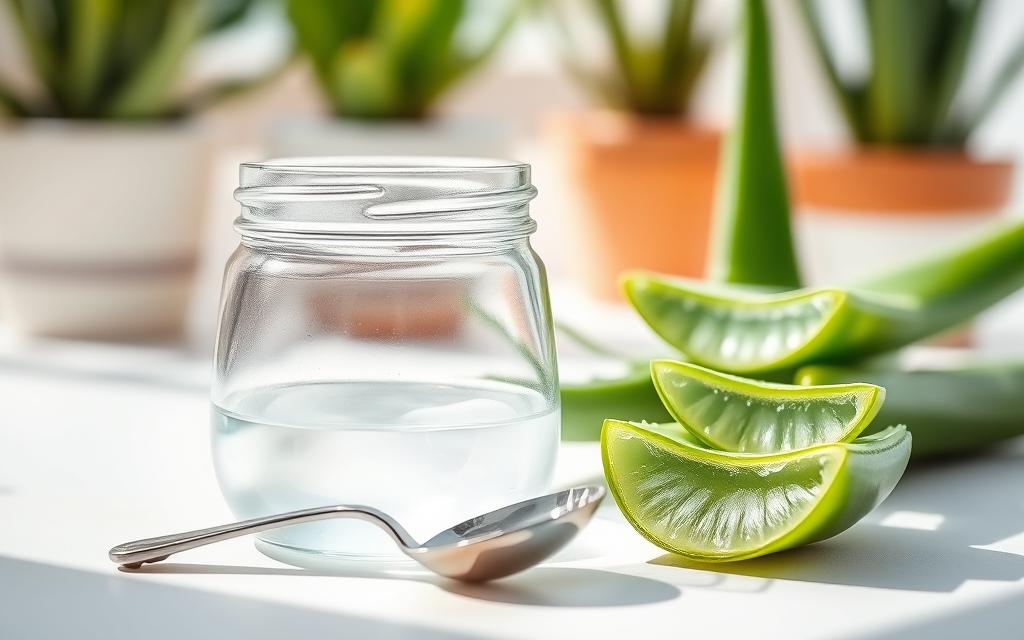
Work on a clean bench and wash your hands. Trim the spines, slice the leaf open lengthways and gently scoop the clear gel with a spoon.
- Rinse gel pieces under cold water to remove any pale yellow traces.
- Place the gel in a clean, airtight container.
- Use within 3–5 days in the fridge for skin use only.
Best uses: spot soothing of minor irritation, after‑sun comfort and light moisturising. Patch test a small area first.
If drinking aloe: why dosage and short-term use matter
Oral use can cause cramps, diarrhoea and electrolyte changes because of latex compounds. If you plan to try vera juice, keep intake short and talk with your GP first.
Note: products vary widely. Don’t assume home‑made juice matches commercial formulations. For harvesting and preparation tips that cover both plant care and safe use, see this helpful guide: how to grow, harvest and preserve fresh aloe.
Food safety basics: cleaning, refrigeration and when to discard
Use clean utensils and containers. Refrigerate gel or juice immediately and toss if the smell, colour or texture changes.
- Store gel under 5°C and use within a few days.
- Don’t double‑dip or share jars to avoid contamination.
- Stop use and seek advice if cramps, severe diarrhoea or other strong side effects appear.
How to care for an aloe vera plant in Australian conditions
A healthy pot makes harvests easier: tidy leaves, firm flesh and reliable gel. Nail light and watering and the rest falls into place.
Light, temperature and frost protection
Place the plant in bright light with gentle morning sun. Protect it from harsh afternoon rays in summer to avoid brown patches.
In cooler regions, move the vera plant indoors or under shelter when frost threatens. A warm, protected spot keeps leaves plump.
Watering a succulent properly to prevent rot
Water deeply, then let the soil dry out completely. Overwatering is the fastest way to rot a succulent.
Potting mix, drainage and repotting
Use a cactus/succulent mix and a pot with drainage holes. Soggy soil gives soft leaves and poor growth.
Repot when the plant is rootbound, leaning or sending up lots of pups. Choose a slightly bigger pot and refresh the mix.
Common problems: pests, soft leaves and sun stress
- Look for mealybugs and scale; treat early with soap spray.
- Soft leaves point to too much water or too little light.
- Brown patches mean sun stress—move to gentler light.
“Once you nail light and drainage, this forgiving plant rewards you with useful leaves and clearer gel for skin use.”
Conclusion
When you strip the claims back, topical gel shines as the best-supported use in studies. The clearest benefits are soothing minor burns and sunburn, with faster healing and less discomfort reported in reviews and trials.
Key distinction: the clear gel suits skin; whole‑leaf or latex carries laxative effects and greater side effects, so choose wisely.
Research also finds mouth benefits — some studies show a plant‑based mouthwash reduces plaque and gingivitis and may speed ulcer healing. A 2024 trial hinted at value during radiotherapy‑related oral mucositis.
Oral claims for digestion, blood sugar or cholesterol remain mixed. If you try vera juice, pick reputable products labelled aloin‑free or decolourised and check doses.
Safety note: if you take medicines, are pregnant or have chronic health issues, speak with your GP or pharmacist first. With the right form and cautious use, you can keep this plant as a simple, useful home staple 😊 — and learn more about desk‑friendly plant picks that boost productivity.