
You’ll learn how this hardy housegreen helps everyday Aussie life — health, comfort, style and a bit of feng shui, minus the hype. 🙂
Dracaena trifasciata has upright, sword-shaped leaves and a neat architectural look. It suits busy households and most rooms. It’s why you see it in cafes, flats and offices around Australia.
Expect practical gains, not miracles. This species can help indoor air quality and may reduce some volatile organic compounds (VOCs). It won’t replace fresh air, cleaning or medical advice.
Quick preview: upcoming bits cover air, sleep, allergies, mood, easy care, placement tips and varieties for small or large homes.
Safety note: leaves are mildly toxic if chewed. Keep out of reach of curious kids and pets — placement tips follow later.
Reading for health, styling or feng shui? Pick a path and we’ll help you decide where this green fits in your place.
Table of Contents
Key Takeaways
- Dracaena trifasciata is low-maintenance and visually striking.
- It can help indoor air by removing some VOCs, not replacing ventilation.
- Offers mood and sleep perks for many people in indoor settings.
- Keep away from pets and young children due to mild toxicity.
- Works in small and large homes; placement boosts both style and function.
Snake plant basics for Aussie homes
Meet one of the toughest, most forgiving housegreens you can keep in a modern Aussie flat. Dracaena trifasciata (often labelled Sansevieria) is an evergreen with tall, upright sword-shaped leaves that give a crisp, architectural look.
That upright form makes this a popular décor choice. It fits narrow corners, lounges and compact apartments without looking fussy. You’ll see it used singly as a statement or grouped with other houseplants.
Tough and low fuss: these plants tolerate missed watering and mixed light better than many indoor varieties. They need little water and simple care, so they suit renters, busy families and first-time plant owners.
“Good starter success builds confidence — and this one keeps returning the favour.”
Quick checklist — is it right for you?
- Light: tolerates low to bright indirect light.
- Time: low daily attention needed.
- Pets: leaves are mildly toxic — place safely.
- Room size: from tiny flats to large living areas.
What is the snake plant good for in everyday life?
A single upright green often delivers steady, practical perks around the house. These are small, reliable boosts that help when you spend more time indoors.
Cleaner indoor air and better air quality in enclosed spaces
Dracaena trifasciata can help reduce some indoor pollutants and raise perceived freshness in tight rooms like studies and bedrooms. Think subtle changes: fresher-smelling air and a lighter feel.
A calmer, more welcoming home environment
Having greenery shifts mood. Shared spaces and entryways feel more inviting. That calm vibe supports mental health in small, steady ways rather than dramatic cures.
Low-fuss greenery for busy families and first-time owners
Consistency wins: these plants cope with missed water and varied light. For busy families, that means a tidy, alive corner even when time runs out.
- Start here: begin with one in a main room and learn its rhythm.
- Use plant benefits as background support, not a replacement for ventilation.
| Everyday benefit | Easy example | Quick tip |
|---|---|---|
| Better air quality | Single pot in a study | Avoid overwatering |
| Calmer ambience | One near entry | Pair with soft lighting |
| Low-fuss care | Apartment corner | Water only when soil dry |
Next up: we’ll look at the science behind air-purifying claims and what to expect in a real room.
Air-purifying benefits: how snake plants can help purify air
A single upright green offers a quiet, measurable nudge to room air quality. You get subtle changes rather than dramatic cleaning. Treat this as a supportive habit alongside ventilation and cleaning. 🙂
Filtering indoor air, including at night
Dracaena trifasciata has a useful trait: it can take in CO2 at night and release oxygen. That makes it handy in closed-up bedrooms or study nooks. One pot won’t transform a whole house, but it can lift perceived freshness where you spend time.
Removing toxic pollutants
Plants can absorb some invisible chemicals called VOCs. These come from paints, new furniture and cleaning sprays. Examples include benzene, formaldehyde, xylene, toluene and trichloroethylene.
Real-world expectations
The NASA Clean Air Study found houseplants can remove certain VOCs in controlled tests. In a typical Australian room, contributions are small. Think “supportive air-quality habit” rather than a replacement for open windows.
- Quick tip: place one near where you sit most, then add more if you need extra coverage.
| Benefit | Everyday example | Expectation |
|---|---|---|
| Night oxygen release | Bedroom pot | Minor fresher feel overnight |
| VOCs reduction | Study or lounge | Small drops in certain chemicals |
| Supportive habit | Entry or living area | Adds to ventilation and cleaning |
Sleep-friendly plant benefits for the bedroom
A compact green can subtly change how your bedroom feels at night. Many people keep a pot nearby because this species releases extra oxygen after dark, which can help a small room feel fresher when windows are shut. 😴
Why night oxygen release helps freshness
Lowering CO2 overnight links to better sleep in real studies. A modest boost of oxygen in sleep hours can ease that stuffy feeling and support calmer nights. Remember, one pot offers a small advantage—best used alongside good ventilation.
Placement tips that keep airflow and space clear
Place snake plant on a stable stand or low shelf near, but not touching, a window to catch gentle breezes. Put it in a corner or beside a bedside table so walkways stay clear.
- Avoid blocking access or tucking behind heavy curtains.
- Keep out of reach if pets or toddlers explore mouths.
- If you wake up congested, trial one plant for 2–3 weeks and note any change.
Allergy support and moisture: a small boost for indoor air comfort
A single pot can offer gentle relief in drier rooms by nudging humidity and freshening air. Think gentle support — oxygen release and a little added moisture may help reduce dust and pet dander in common living spaces.
How oxygen release and added moisture may help with dust and dander
Oxygen output at night can lift perceived freshness, while tiny amounts of moisture settle light dust. That reduces airborne flakes that often trigger sneezes in family homes with carpets and furry mates.
Why plants work best alongside ventilation and cleaning
Plants are one piece of the puzzle. Pair a pot with regular vacuuming, wiping surfaces and opening windows when weather allows. If you have asthma or severe allergies, follow medical advice first.
- Routine stack: pot + vacuum + wipe + airing.
- Aussie tip: in winter, a green can make a closed lounge feel less stale.
- Micro-check: if symptoms spike, check humidity, bedding wash frequency and airflow before buying more pots.
| Action | Practical result | Quick tip |
|---|---|---|
| Keep one pot in living area | Small moisture lift | Place near seating, not heater |
| Vacuum weekly | Fewer airborne allergens | Use HEPA filter if possible |
| Air home daily | Better indoor air quality | Open windows 10–15 minutes |
Next, we look at how green keeps mood steady and focus sharp. For extra reading on care and placement see air-purifying plant care. 🙂
Mental wellbeing perks: why having snake plants at home can feel good
A simple pot of green can quietly change how your room feels and how you move through it.
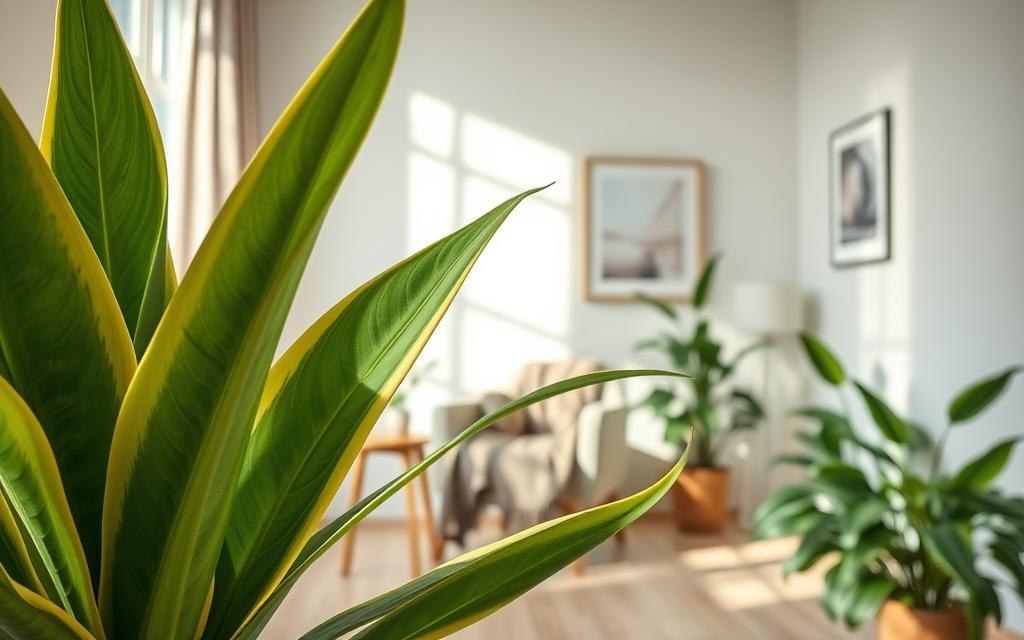
Why it feels good: greenery softens space. It breaks up screens and silent walls. That small visual shift helps stress ease and mood settle.
Research on stress, focus and mood
Studies from 2018 and related work suggest interaction with plants links to reduced stress and improved focus. Horticultural therapy shows plants can support health outcomes in clinical and community settings.
Where easy-care houseplants make sense
Workplaces, schools and waiting rooms often choose low-maintenance options. They cost little, carry low risk and lift room quality without much fuss.
- Desk cue: one pot near your screen prompts a short pause, a deep breath and a reset between tasks.
- Public spaces: simple greenery improves perception of comfort and calm.
Make it work: place one visible pot where you pass often — entry, bench corner or study. Let it be a gentle reminder to slow down.
“A thriving specimen gives more reassurance than a neglected one.”
For quick reading about wider air and health links see benefits of snake plant. The best wellbeing boost arrives when a living thing thrives, not when it adds stress.
Low light, low water, easy care: why it’s a top choice among houseplants
You’ll get far with two simple habits: gentle light and strictly dry soil. Follow those and you’ve nailed easy care. 😊
Light flexibility
This species tolerates low light through to brighter spots. Indirect light works best; avoid harsh midday sun on leaves. If leaves flop or stretch skywards, give more light. Dull leaf colour often signals too much shade.
Watering rule that prevents root rot
Only water when soil is completely dry. Overwatering causes root rot. Check with a finger or moisture meter. Water deeply, let excess drain, then wait until dry before next drink.
Pot and soil basics
Use a pot with drainage holes and a well-draining mix. Fast-drain cactus or indoor mixes suit most setups. Good drainage keeps roots healthy and reduces watering frequency.
- Care promise: indirect light + dry soil = 90% success. ✅
- Check soil with finger; water only when dry.
- Drainage holes and coarse mix prevent waterlogging.
| Issue | Sign | Fix |
|---|---|---|
| Too dark | Stretched leaves | Move to brighter indirect light |
| Overwatered | Soft base, rot smell | Reduce water, repot in dry mix |
| Poor drain | Standing water | Use pot with holes, add grit to mix |
Quick encouragement: if you’ve struggled with houseplants, this choice offers forgiving routine and steady results. Give it time and enjoy simple wins.
Feng shui and energy: where to place snake plant for protection and flow
Placement can change how a room feels; small shifts create steady flow and protection. Feng shui is about intentional layout to support how a space works, not just decoration. 🙂
Symbolism and meaning
Sword-like leaves symbolise protection, strength and upward growth. Feng shui experts Anjie Cho and Dee Oujiri praise this trait as a guardian cue that invites clarity and resilience into a home.
Entryway and southeast
Place one near the front door to guard the qi portal. If space allows, mirror it either side of an entry for balance.
Use the southeast corner to support wealth intentions. Think of this as a gentle reminder of habits that grow abundance over time.
East, workspace, bedroom and south tips
Move a pot into the east area to encourage family health and harmony in shared areas.
In a home office, place it where you need focus and firm boundaries. It helps you separate work time from downtime.
Bedroom placement can aid sleep by improving air and calm, but avoid pointing sharp leaves directly at the bed if that feels too cutting.
Put one in the south to boost visibility and reputation; Dee Oujiri notes this can help cut through gossip and build confidence.
Read More: Plants that Boost Productivity
Types of snake plants to consider for your space
Match a cultivar to your light, shelf space and the mood you want to create. This helps you pick a specimen that fits instantly instead of needing years to grow into place. 😊
Classic favourites
Laurentii shows yellow margins and a neat striped look. It suits modern lounges and hallways when you want clean lines and low fuss.
Bantel’s Sensation brings white striping and a bit more contrast for a crisp statement near seating or a study.
Compact options
Bird’s Nest (Hahnii) sits well on bedside tables and shelves. Its rosette form works in tight rooms where height would overwhelm.
Twist cultivars add playful bends to narrow shelves and small nooks.
Statement shapes
Cylinder varieties offer tall, architectural stems that anchor an open-plan living area. Use one as a corner focal point.
- Size reality-check: many grow slowly — buy the height you want now.
- Aussie shopping tip: check local nurseries for healthy leaves and avoid damaged pots at big-box outlets.
Quick prompt: pick one variety that suits your light and floorplan, then add slowly as you learn its rhythm.
Keeping your snake plant thriving: care, propagation and safety
A little routine goes a long way with this hardy housegreen. Follow a few reliable steps and you’ll keep healthy leaves and steady growth without fuss. 😊
Thriving checklist:
- Light: bright indirect to low light; match spot to ability.
- Drainage: use a pot with holes and gritty soil mix.
- Water: only when soil is dry; let excess drain away.
- Time: patience — measure success by firm, upright leaves.
Propagation: leaf cuttings and dividing pups
Leaf cuttings: take a healthy leaf, snip an upside-down V at the base, stand it in clean water and wait. Roots often appear in about 3–5 weeks. Change water if cloudy.
Dividing pups: when new shoots appear, separate them with roots attached and pot straight into fresh mix. This is fast success for household growers.
Pests, growth rate and safety
These plants resist most pests and grow slowly, so small gains matter. Expect gradual height increases rather than quick leaps.
Safety note: leaves contain saponins. If chewed, pets or children may get nausea, vomiting, diarrhoea or tongue swelling. Keep pots up high, use heavy bases and avoid low ledges near couches.
| Action | Result | Quick tip |
|---|---|---|
| Leaf cutting in water | Roots in ~3–5 weeks | Use clean water, change weekly |
| Divide pups | New independent plants | Keep roots intact when separating |
| Stable routine | Healthy leaves, slow steady growth | Dry soil between waterings |
For a deeper care guide see care guide or read propagation tips for step-by-step help.
Conclusion
Simple care and an intentional spot let this hardy green deliver calming, practical perks. It suits busy Aussie homes and gives steady benefits to air and mood without fuss.
Why you’ll love it: tough, adaptable and stylish — great in a bedroom, study or lounge. Night oxygen release can help sleep and freshness in small rooms.
Top care rules: bright indirect light works best. Only water when soil is fully dry and use a draining pot.
Reality check: this addition supports air quality but won’t replace ventilation or cleaning. Keep pots away from curious pets and children.
Ready to try? Pick a variety, place it in your most-used room and let benefits build over time. Learn more about meaning and care on meaning and benefits or read a quick guide to mood boosters. 🙂