
You can beat indoor infestations without harsh sprays. Many people used integrated pest management and simple natural methods to control scale, whiteflies, mealybugs and gnats. Act early and you stop a small issue becoming a big one.
Safe means low-tox options, targeted treatment and protecting kids, pets and indoor air quality. Start by spotting signs on leaves and stems. That makes diagnosis quick on your phone when you’re busy.
We’ll show eight critters you’ll meet: scale (and mealybugs), spider mites, aphids, whiteflies, thrips, fungus gnats and one extra group identified by damage rather than the insect itself. The flow is simple: spot → isolate → identify → remove → treat → monitor → prevent. 😊
Don’t panic. A few bugs don’t always kill a plant, but ignoring them can. Treatments often need repeating for eggs and young stages, so expect to check back over days and weeks.
Table of Contents
Key Takeaways
- You can manage houseplant pests safely with low-tox, targeted steps.
- Early detection on leaves and stems stops outbreaks fast.
- Follow a clear sequence: spot, isolate, identify, remove, treat, monitor.
- Treatments may need repeating because eggs keep hatching.
- Protect children, pets and indoor air when you treat.
How houseplant pests start indoors in Australian homes
A simple plant swap or a day outside can bring unwelcome visitors indoors. New nursery buys, gifts from friends and a quick “just outside for a bit” can all be entry points for tiny hitchhikers.
How they hitch a ride
Potting mix and soil often hide eggs and larvae around pot rims. Cheap or already opened mix raises the risk.
The pet factor: dogs and cats can carry insects on fur when they brush past pots. A single brushed leaf may start an outbreak.
Why indoor conditions help them thrive
Warm, steady temperatures in your home mean many bugs breed year‑round. Fungus gnats love warm, damp soil and do well at typical household temps (about 17–25°C).
“Think back—did you bring home a new plant in the last few weeks?”
Once you know how they arrived, your first response matters most. The next section walks through the quick steps to stop spread and start treatment. 😊
First response when you spot bugs on your houseplant
When you see bugs, the next ten minutes determine whether the issue spreads. Stay calm and follow a quick checklist to protect the rest of your collection. 😊
Isolate the plant
Move it away — a different room if you can. Stop leaves touching other pots; that leaf-to-leaf contact is an easy bridge for crawling critters. Isolation buys you time to act and cuts spread risk.
Inspect carefully
Check under leaves, along veins, at stem joints and new growth points. Use a pocket magnifier or your phone torch to spot tiny mites or thrips early.
Prune and remove
Cut out the worst-affected leaves and stems first. Removing heavily damaged bits lowers the pest load and slows infestations while you treat the rest.
Wash, wipe and blast
Wipe leaves with a damp cloth to dislodge adults. Then take the plant to a sink or shower and give it a strong water spray to knock insects off.
Repeat washes over a few days — new hatchlings keep appearing, so check back and re-spray as needed. Now that it’s contained, let’s figure out what you’re dealing with.
| Step | Action | Why it helps |
|---|---|---|
| 0–10 minutes | Isolate plant | Stops spread to other pots |
| 10–20 minutes | Inspect with torch/magnifier | Find hiding places on leaves and stems |
| 20–40 minutes | Prune heavy damage | Reduces pest numbers quickly |
| After pruning | Wipe then water spray | Physical removal without harsh chemicals |
Common houseplant pests: quick identification by damage and “telltale” signs
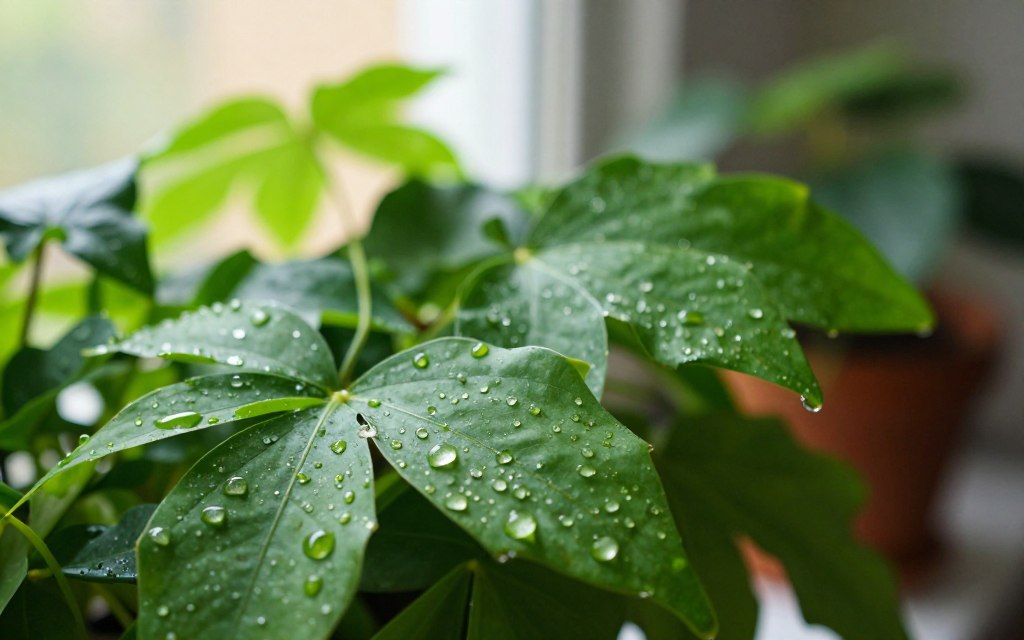
Often the telltale marks on leaves tell you the insect’s name before you see the insect. Use a quick, damage‑first check when visibility is poor — it’s fast and effective.
Start with honeydew. Sticky residue on leaves, trailing ants and black sooty fungus point to sap‑suckers like scale, mealybugs, aphids or whiteflies. This trio of signs is a big red flag — act fast.
Watch for growth and leaf changes
Yellowing, distorted new growth, leaf drop and general stunted growth often follow sap feeding. Tender tips show damage first, so inspect new shoots closely.
Webbing, silvering and frass — what they mean
Webbing tucked into leaf axils usually means spider mites. Look for tiny silky threads and stippling on surfaces.
Silvery streaks or speckling with tiny black frass is classic thrips damage.
- If you see honeydew, check for scale, mealybugs, aphids or whiteflies.
- If you find webbing, suspect mites and raise humidity while you treat.
- If silvering + frass appears, target thrips with repeated wash‑and‑monitor steps.
Do this next: take clear close‑up photos now and each week to track progress. Then move on to the pest‑by‑pest action plans starting with scale.
Need design ideas while you quarantine plants? See a curated list of small foliage options at 10 beautiful tabletop plants.
Scale insects on leaves and stems
Scale often hides by looking like part of the plant. You might pass it off as a wart or bark until you take a closer look.
How to spot them and where they hide
They appear as small brown, yellow or amber nubs that sit flat on stems and leaf veins. At a glance they seem like bumps on the plant.
Check undersides of leaves, along the central vein and clustered on woody stems. Use a magnifier and inspect creases where leaves meet stems — don’t miss these hiding spots.
Why early action matters
Adults develop a waxy, armoured shell. That covering shields them from sprays, so waiting lets infestations set in.
“Treat crawlers early — once shells form, removal takes more work.”
Safe removal method
Contain first: keep the pot isolated and cover the soil to stop fall‑in. Then apply insecticidal soap or neem to target crawlers.
Gently scrape adults off with a fingernail or soft toothbrush, then rinse in the shower with a strong stream of water. Repeat the soap application to catch new hatchlings.
Follow-up and expectations
Re-check daily for three days, then switch to weekly inspections for up to two weeks or longer. Scale can take persistence, but adults move slowly, so steady follow-up helps you get rid of them from your houseplants.
Mealybugs (cottony clusters and hidden colonies)
A few soft, white clusters on a stem can mean hundreds more nearby. These insects hide in tight folds and suck sap until leaves yellow and growth stalls. Act fast — that makes treatments far easier and less toxic.
Early signs to check for
Look for fluffy deposits on stems and under leaves. Sticky honeydew and patches of yellowing foliage are common first clues.
Where they like to hide
Check leaf undersides, tight grooves where leaves meet the stem, unfurling new leaves and stem crotches. Crawlers can slip into any sheltered nook.
Spot treatment that works now
For a small outbreak, dab each cluster with a cotton tip soaked in rubbing alcohol. It kills on contact and limits spread.
When to step up care
If you see repeated clusters or crawling nymphs, treat with insecticidal soap or neem oil. Cover all leaf surfaces and repeat weekly until no new insects appear.
Containment and follow‑up
- Isolate the plant and stop leaves touching nearby plants.
- Wipe away honeydew to reduce ants and sooty mould and help leaves photosynthesise.
- Remember females can lay hundreds of eggs in cottony masses — miss one pocket and the infestation restarts.
“Dab the visible bugs now, then monitor weekly — persistence beats surprise re-infestation.”
Once you’ve handled the cottony clusters, your next focus is tiny web‑makers — spider mites — which need a different approach. 😊
Spider mites (fine webbing and speckled leaves)
Tiny silk threads tucked into leaf axils are often the first clue you have a mite problem. Spotting webbing early makes identification quick and gives you the best chance to stop spread.
How to spot them
Top giveaway: fine webbing in leaf axils and along veins, often before you ever see the animals themselves. Check under new growth and the undersides of leaves.
Leaf signs: speckling of tiny pale dots, bronzing and patchy discolouration that makes foliage look dusty or tired.
Why indoor air helps them
Hot, dry air from heaters or air‑con helps mites multiply fast. Increase humidity to slow them down. Run a humidifier or cluster pots so relative humidity is higher (keep leaves from touching).
Safe control and persistence
- Give the whole plant a strong shower rinse, focusing on undersides and crotches.
- Repeat the rinse every few days for several weeks — mites hatch fast and need multiple treatments.
- Remove badly marked leaves to help new growth recover.
“Early detection and repeat rinses beat large outbreaks.”
| Sign | What to do | Expected time |
|---|---|---|
| Webbing in leaf axils | Rinse thoroughly, inspect weekly | Days to weeks |
| Speckled or bronzed leaves | Prune dead foliage, raise humidity | 1–4 weeks |
| Ongoing reappearance | Repeat water rinse and monitor closely | Several weeks |
For a deeper read on identification and control, see this spider mite guide, and if you grow spider plant varieties, review targeted care tips at spider plant care. Next, we’ll cover sap‑suckers that multiply fast: aphids and whiteflies.
Aphids and whiteflies — fast‑breeding sap‑suckers
Soft, curled tips and sticky residue are the fastest clues you’ll spot on a plant. Aphids cluster on new shoots and cause distortion, wilting and honeydew that can lead to sooty mould.
Whiteflies live on leaf undersides. Adults flutter when you disturb a pot. Eggs and nymphs hide below leaves, so undersides matter when you treat.
- Aphid ID: clusters on tender tips, curling growth, sticky honeydew.
- Whitefly ID: tiny white moth‑like adults, yellowing leaves, immatures under leaves.
Start safe: a hard water spray (hose or shower) knocks most off. If numbers stay high, use insecticidal soap or neem oil — target the undersides first.
Place yellow sticky traps nearby to monitor and reduce adults. Try this mini routine: spray → wait one day → re‑check undersides → repeat weekly until you no longer see adults or nymphs.
“Act quickly — short life cycles mean numbers jump fast if you wait.”
| Problem | First action | Follow-up |
|---|---|---|
| Aphids on new growth | Hard water spray | Soap or neem + weekly checks |
| Whiteflies under leaves | Spray undersides thoroughly | Sticky traps + repeat soap/oil |
| High adult counts | Add yellow sticky traps | Monitor weekly; isolate if needed |
If you still spot silvery scars or gnats hovering, you’re likely facing thrips or fungus gnats next — keep reading to learn how to tackle those.
Get rid of infestations safely with step‑by‑step guidance.
Thrips and fungus gnats (leaf scarring and soil-dwelling larvae)
Tiny streaks and a faint silver haze often point to two different indoor annoyances: thrips above and gnats below. Both can look minor at first, yet they cycle fast and need different fixes.
Spotting thrips
Signature damage: silvery speckling and streaks that look like scuffs, often with tiny black frass dots on leaves.
Adults hop or fly when disturbed, so wipe‑downs and repeat sprays are usually needed to reduce numbers. Blue sticky traps can help catch adults and confirm thrips are the cause.
Why gnats signal watering issues
Fungus gnats mean the soil surface stays too wet. Adults are mostly a nuisance, but the larvae live in the soil and feed on fine roots and organic matter.
Fix the soil first: let the top layer dry between waterings and empty saucers to break breeding. Drenching the pot with BTI targets larvae safely and stops reinfestation over the next month.
Trap strategy and monitoring
- Use yellow sticky traps near pots to catch adult gnats and track progress.
- Combine blue traps for thrips with weekly wipe and spray cycles.
- Expect the cycle to take several weeks—adults can lay many eggs, so persistence wins.
Want a deeper guide on identification and control? See how to identify and manage soil insects at identify and manage soil insects.
Preventing houseplant pest infestations long-term
A few minutes of inspection now saves weeks of work later. Good routines cut the chance of infestations and make issues easier to fix if they appear. Follow simple checks and habits so small eggs and larvae never get a foothold.
Check before you buy
Look under leaves, along stems and at leaf joints. Lift the pot rim and glance for residue or cottony deposits. If anything moves or looks sticky, walk away.
Quarantine new arrivals
Isolate new plants for a few days to a couple of weeks. Inspect them regularly and keep their leaves from touching your other plants. That spacing stops crawlers from using bridges between pots.
Clean pots and fresh potting mix
Use clean pots and quality potting soil to reduce hidden eggs and larvae. If reusing a pot, scrub it and sun‑dry before adding fresh mix.
When repotting helps
If you suspect contaminated mix, remove old soil and discard it in the bin. Gently rinse roots, trim dead bits and repot in fresh media to break an ongoing infestation.
Watering basics
Let the top layer dry between drinks. Avoid soggy mix and never leave standing water in saucers — that attracts fungus gnats and encourages eggs in the soil.
Surface protection
Add a protective layer — clay balls, gravel or coir matting — to deter egg‑laying in the potting mix. It’s a small step that helps stop future outbreaks.
- Before you buy: inspect undersides, stems and pot rims.
- Quarantine: isolate new plants and inspect for days to weeks.
- Hygiene: clean pots, use fresh soil and repot if needed.
| Prevention step | Why it helps | How long to follow |
|---|---|---|
| Inspect at purchase | Catch visible eggs or residues early | At point of sale |
| Quarantine new plants | Stops spread to your collection | Days–weeks |
| Use fresh media | Removes hidden larvae and old eggs | When repotting |
| Top‑layer shield | Deters egg‑laying and reduces soil splash | Permanent |
“Prevention isn’t perfection — it’s the habit that saves you time and keeps plants healthier.”
Want low‑effort plant picks while you quarantine new additions? See this guide to low‑maintenance indoor plants.
Conclusion
A calm, steady routine beats a frantic one-off spray every time. Start by isolating the affected plant, inspect carefully (undersides of leaves matter), physically remove what you see, treat with low-tox options and monitor over time.
Learning the key signs — sticky honeydew, fine webbing, silver streaks, frass or yellowing — helps you act fast and choose the right fix. Persistence matters more than one big spray; repeat checks catch eggs and young stages.
Make a simple weekly habit: a 60‑second underside scan of your favourite houseplants. It saves hours later and keeps your indoor collection healthy.
You’re not failing if you find a problem — it’s normal in a warm home. Pick one prevention habit today (quarantine, better watering or sticky traps) and your future self will thank you. For extra guidance see dealing with common houseplant pests.
FAQ
What are the most common plant bugs you’ll see indoors and how do I recognise them?
Look for telltale signs more than perfect ID. Sticky honeydew, sooty mould and ants point to sap‑suckers like aphids, mealybugs or scale. Fine webbing, speckled or bronzed leaves usually means spider mites. Tiny flying adults near soil suggest fungus gnats; scarring or silvery streaks hints at thrips. Check leaf undersides, leaf axils and stem joints with a torch or magnifier for eggs, cottony masses, shells or webbing.
How do these bugs get into Australian homes in the first place?
They often hitch a ride on new plants, contaminated potting mix, used pots or even garden soil on shoes. Pets and outdoor “holidays” (plants moved outside) can transfer insects. Warm, stable indoor temperatures let many tiny critters breed year‑round, so a small introduction can quickly become an infestation.
What should I do immediately when I spot insects on a plant?
Isolate the plant to stop spread. Inspect all leaves, undersides, stems and the soil surface. Prune away heavily damaged growth. For light infestations, wash leaves and stems with a strong spray of water or wipe them with a damp cloth; repeat checks over the next few days to catch eggs and nymphs.
How do I safely remove scale from leaves and stems?
Scrape off larger adults gently with a fingernail or a soft brush, then wash the area. Use insecticidal soap or a mild dish soap spray for remaining crawlers and eggs. For stubborn scale, a cotton bud dipped in isopropyl rubbing alcohol can dissolve waxy coverings. Rinse and repeat weekly and keep monitoring.
I see fluffy white clusters — could that be mealybugs? What next?
Yes, fluffy, cottony masses are classic mealybugs. Dab visible insects with a cotton tip soaked in rubbing alcohol to kill individuals. For larger problems, use insecticidal soap or neem oil, treating undersides and stem crotches where they hide. Quarantine affected plants until several clean checks confirm control.
How can I tell if spider mites are the issue, and how do I get rid of them?
Spider mites leave very fine webbing, stippled or bronzed leaves and tiny moving dots if you look closely. They thrive in dry air, so increase humidity and give the plant a thorough shower to wash mites off. Repeat treatments every few days and inspect repeatedly — mites reproduce quickly, so persistence matters.
Aphids and whiteflies seem to multiply fast — what’s safe and effective indoors?
Use a strong jet of water to dislodge both aphids and whiteflies from leaves, focusing on undersides. Follow up with insecticidal soap or neem oil, making sure spray reaches hidden nooks. Yellow sticky traps help catch adults and reduce numbers while you treat the plants.
How do I manage thrips and fungus gnats — they seem very different?
Thrips damage shows as silvery streaks and tiny black frass on leaves; control with repeat washings, insecticidal soap and coloured sticky traps (blue works for some species). Fungus gnats fly near wet potting mix and their larvae feed on roots. Let the soil surface dry between waterings, use a biological control like BTI (Bacillus thuringiensis israelensis) or a sand/topdressing, and set yellow sticky traps for adults.
How often should I check plants after treatment and what follow‑up is needed?
Inspect treated plants every 3–7 days for at least two to three weeks. Many insects have short life cycles, so repeat applications and physical removal are often needed. Keep quarantine until several checks show no live insects, nymphs or new damage.
What preventive steps reduce the chance of future infestations?
Check new purchases closely — look under leaves and along stems. Quarantine new plants for 1–2 weeks. Use fresh, high‑quality potting mix and clean pots before reuse. Avoid overwatering to prevent fungus gnats, and keep plants spaced so leaves don’t touch. A light cap of grit or bark on soil can deter egg‑laying. Regular cleaning and good airflow help too.
Are insecticidal soaps and neem oil safe to use around pets and children?
Insecticidal soaps and horticultural neem oil are low‑toxicity options when used as directed. Apply when pets and children are not handling plants, allow sprays to dry, and store products out of reach. For any concerns, check the product label and consider safer timing or non‑chemical methods like washing and manual removal.
When is repotting necessary to control an infestation?
Repot if soil is heavily infested with larvae (common with fungus gnats) or if pests persist despite foliar treatments. Remove as much old soil as possible, rinse roots gently, and use fresh potting mix. Avoid burying infected plant parts — trim and discard severely damaged roots and foliage first.