
The best place for ponytail palm is a spot with bright light, steady warmth and fast-draining soil so the swollen base doesn’t sit wet. This gives you a low-fuss, sculptural plant that lasts without fuss.
Expect slow growth. This is a long-term location decision. Treat it as a feature that will stay put for years.
You’ll learn quick rules: indoor vs outdoor options, safe window use, and how watering ties to where you site it. A simple shortcut helps: more light + more warmth = faster drying, so water less often.
Common mistakes to avoid: dark corners, soggy saucers and hot air-con blasts. You can still make this plant a statement in your home, but balance style with its needs 🙂.
Table of Contents
Key Takeaways
- Choose bright, warm spots with excellent drainage.
- Think long-term — it grows slowly and stays put.
- Use a sunny window carefully; avoid direct scorched leaves.
- Match watering to how quickly the soil dries in that location.
- Keep it out of dark corners, wet trays and cold drafts.
Understand what a ponytail palm needs to thrive in Australian homes
Start by knowing why this so-called palm behaves more like a succulent in Aussie homes. It stores water in a swollen caudex, so its care follows dry cycles and bright light rather than constant moisture.
Why it’s not a true palm and what that means
The common name is misleading. Unlike leafy indoor palms, these plants act like succulents. That means you give them stronger light and let the soil dry between drinks.
The bulbous base and water storage
The elephant foot or bulbous base is a built‑in water tank. Overwatering fills that tank and risks rot. Think of the base as insurance during dry spells.
Slow growth and long-term location choices
Indoors they grow about 2–4 inches a year and often reach 3–5 feet in pots. The trunk and stem thicken slowly, so choose a stable spot that won’t need moving over time.
In Australian homes winter light drops and heaters dry the air. Adjust location with the seasons so your plant stays firm, upright and green—signs it is thriving under the right conditions.
The best place for ponytail palm indoors: start with light
Light is the single biggest influence on how your ponytail palm looks and grows indoors. Give it as much bright natural light as you can and you’ll see better colour and steadier growth over the year.
Bright light vs moderate light
Bright light keeps the canopy full and the trunk firm. In a typical Aussie lounge room that means near a south or west window where daylight is strong but not harsh.
Moderate light will do for a time, but houseplants in low light slow down. Expect about 2–4 inches of growth per year when light is good.
Window position without scorching
Place the pot close enough to get bright sun, but not pressed to hot glass. Hot windows + direct sun + still air can scorch leaves. Give a small gap or sheer curtain as a buffer.
Rotate to prevent leaning
Turn the pot a quarter every two weeks if it leans. Rotation keeps the trunk straighter and the canopy balanced.
Signs the spot is too dark
- Slow growth and sparse look
- Leaves stretching toward light
- Dull, washed‑out foliage
Quick test: if you can read a book there in daytime without lights, it’s often a good light zone for this houseplant. Small routines — rotate + monitor — are all you need. 🙂
Can it handle full sun? Choosing an outdoor location in Australia
Outdoor light can make this sculptural species thrive — but Australian sun can be fierce. You can grow ponytail palms outdoors in summer, yet smart siting and a slow move are crucial.
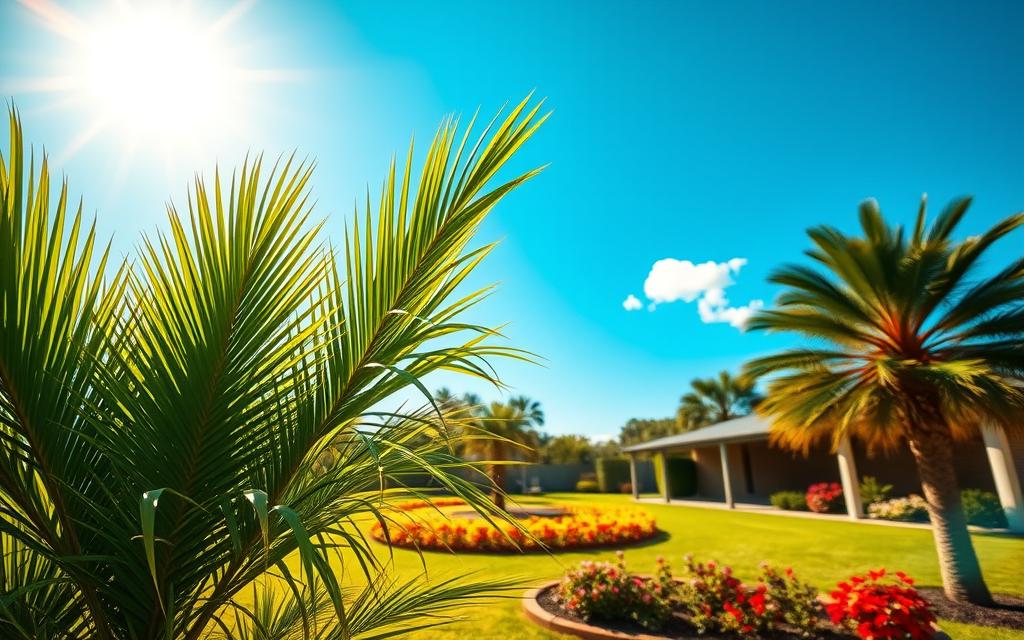
Full sun to part shade: what “bright” looks like outdoors
Full sun means several hours of direct morning or midday sun. Part shade is morning sun or filtered light under a tree or patio.
Tip: morning sun and dappled afternoon light give strong colour without scorching.
How to transition without stress
Start with a few days in part shade. Increase direct sun a little each day over two weeks.
Watch leaves for bleaching or burn. If that appears, step back to more shade.
Courtyards, patios and xeriscape beds
Good spots include courtyards that bounce light, covered patios with bright indirect sun and well‑drained xeriscape beds. These conditions suit the swollen elephant foot and help drought tolerance once established.
“Once settled, these plants are remarkably tough and low-maintenance.”
| Location | Light | Watering rhythm |
|---|---|---|
| Courtyard | Morning sun + reflected light | Moderate, dries faster in heat |
| Covered patio | Bright indirect | Less frequent |
| Xeriscape bed | Full sun to part shade | Deep, infrequent once established |
Temperature and airflow: avoid the risky spots inside the house
A quick comfort check helps you choose a safe room for your plant. If the room feels comfortable to you, it will usually suit a ponytail palm — as long as extremes are avoided.
Comfortable temperatures and the cold danger zone
Ponytail palms prefer dry conditions above about 16°C and struggle below roughly 10°C. Prolonged chills slow drying and raise rot risk.
Danger zone: anywhere that dips below 10°C for long periods. That is where stress and tissue damage start.
Avoid drafts, heaters and air-con vents
Keep the pot away from entryway drafts and open winter windows. Cold breezes hitting the base at night chill the roots and slow evaporation.
Heater and air conditioning vents cause sudden swings — hot blasts, cold blasts and rapid drying of tips. These are sneaky troublemakers.
- Move the pot 1–2 metres from vents or doors.
- Pick spots with gentle, steady airflow at all times.
- In winter months, check humidity — indoor heating often causes brown tips.
Touch the pot and feel the air current. If it’s constantly blowing, choose a calmer room. Stable temperatures plus steady airflow = less stress and a cleaner-looking plant over time. 😊
Pick the right pot placement to prevent root rot
A shallow, wide pot and excellent drainage are the simplest insurance against rot. Your plant has fine, shallow roots and does not need a deep column of wet mix. A wider pot dries faster and gives better stability as the trunk thickens.
Why shallow roots prefer a wider pot
The root system spreads near the surface. A wide pot lets those roots breathe and avoids trapped moisture under the root ball. This reduces the chance of root rot and keeps growth balanced.
Drainage holes and saucers: stop water sitting at the base
Drainage is non‑negotiable. Use at least one drainage hole so excess water escapes.
Empty saucers after watering. Water that pools will cause stem and root rot far faster than occasional dryness.
Where the bulbous base should sit
Plant so most of the bulbous base remains above the soil line. The root ball should sit slightly below the pot edge.
This keeps the base firm and drier than buried tissue, lowering rot risk.
Heavy plant, stable spot: prevent tipping
As the base enlarges the plant gets heavy. Choose a sturdy, wide‑footed pot or weigh the planter to stop wobble.
Keep it away from busy walkways so leaves and trunk are not knocked. A stable surface protects roots and prevents messy falls.
- Quick warning signs of rot: softening base, sour smell, sudden droop.
Get the pot and drainage right and your plant becomes almost set‑and‑forget. A little care at this stage prevents most problems later. 🙂
Soil and drainage set-up that supports the right location conditions
A quick-draining soil is the hidden factor that makes a location work or fail. Where you put the pot interacts with the mix: a sunny spot dries fast only if the soil lets water escape.
Succulent/cactus potting mix: the simplest option
Use a ready-made succulent/cactus mix when you can. It gives the airy texture and lower water retention this species needs. That means fewer rot issues and a firmer bulbous base.
Upgrade regular potting soil the DIY way
If you only have standard potting soil, amend it. Stir in coarse sand or small gravel plus pumice or perlite. Aim for a crumbly, loose texture that lets air reach roots.
- Quick fix: 60% potting mix + 20% grit/sand + 20% pumice or perlite.
- Why it works: more aeration = faster drying = healthier base.
Outdoor beds: sandy, gritty and raised
In gardens, choose raised, gritty beds that shed water quickly. Coastal or wet areas need extra grit and a slope. Organic matter helps fertility, but drainage must win over moisture retention.
Quick test: water the pot, then time how long the surface stays damp. If it stays wet for days, your mix and spot need fixing. Adjusting soil often lets you keep the same indoor or outdoor location with much less fuss.
Indoor watering schedule links well here if you want to match water to how fast your mix dries. 😊
Match watering to the spot you choose
How often you water depends more on light and heat than a calendar—location dictates rhythm. Bright, warm corners dry faster. Cooler, shaded rooms hold moisture longer.
How light and warmth change frequency
If the pot sits near strong light or direct sun it will use stored moisture faster. In those spots you may need to water a little more often during bright months. In cool rooms or lower light, the gap between drinks lengthens.
Deep, infrequent water and letting soil dry
Water deeply until it drains, then wait until the top few centimetres of soil feel dry. Use the finger test, a skewer or lift the pot to judge weight. This helps roots stay healthy.
Cut back in winter and watch for early warnings
Reduce watering a lot in winter to mimic the plant’s dry season—often down to once every few weeks indoors. Avoid tiny sips that keep the mix damp; that invites stem and bulb rot.
- Watch for problems: soft base, a mushy stem, sour smell, leaf drop or persistently wet soil.
Tip: missed water is usually safer than extra water 🙂. See our indoor watering guide to match routine to your room.
Seasonal placement tips for summer and winter
Seasonal shifts mean small moves, not giant relocations — a couple of tweaks keep your plant steady year‑round.
Simple game plan: adjust twice a year. One tweak before the darker months and one as warm weather arrives. This reduces stress and keeps growth predictable.
Moving it closer to light in darker winter months
Days get shorter and light weakens over winter. Move the pot a little nearer a brighter room or sunny side of the home to help the canopy hold shape.
Tips: keep it away from cold glass at night and avoid drafts. If you notice slowed growth, a small shift toward brighter light often restores vigour.
Outdoor summer stays and what to watch at night
Giving it a summer “holiday” outdoors works well if you start on a protected patio. Introduce sun slowly over 7–14 days to prevent leaf burn.
Watch night temperatures closely. Even when days are warm, nights in Australia can dip below about 10°C. Bring the pot inside if cold snaps threaten.
Remember: seasonal moves change how fast the soil dries. Adjust watering when you change the location — brighter, warmer months need more frequent checks.
- Do a quick checklist before moving: check pot weight, look for pests, and avoid moving right after heavy watering.
- Make transitions gradual — sudden full sun or chilly nights cause stress.
- Two small tweaks a year keep care low-effort and effective. 😊
| Season | Action | Key risk to watch |
|---|---|---|
| Winter | Move nearer bright rooms; avoid cold glass at night | Low light causing weak growth |
| Summer (early) | Start on covered patio; increase sun over 1–2 weeks | Leaf bleaching from sudden sun |
| Summer nights | Monitor night temps; bring inside if below ~10°C | Chill damage to base and roots |
“Small seasonal shifts often make the biggest difference with the least fuss.”
Need a watering rhythm to match these moves? See our low-maintenance plant care guide and species notes at Almanac to fine-tune timing.
Size, growth and repotting: choosing a location that will still work in years
Think ahead: its mature width and weight should guide where you put the pot today.
The pot you choose controls future size. A larger pot promotes faster growth and a bigger overall silhouette. A smaller pot limits growth and keeps the plant manageable.
How pot size influences overall plant size and growth
In plain terms: more soil = more root room = more growth. Keep that in mind when picking a pot if you want a compact specimen.
When repotting makes sense and when staying slightly pot-bound is fine
Repot rarely. Typical signs you need a new pot are roots circling the surface, water that barely soaks in, or an unstable top-heavy trunk. Do repot in spring or summer in Australia when the plant is actively growing.
If the pot is only slightly tight, staying a bit pot-bound is fine. The plant stays healthy and needs less frequent moves.
Allowing clearance for cascading leaves and cleaning up brown tips
Give clearance so long, cascading leaves do not scrape walls or furniture. That protects both the leaves and your décor.
Pruning is usually cosmetic. Trim brown leaf tips carefully to improve appearance. Avoid heavy cuts — light pruning keeps a natural look. 😊
Quick tip: if you want repotting steps, read this repotting guide to match timing and technique.
Placement for design, safety and low-maintenance living
A sculptural specimen can lift a room’s style while staying low-maintenance. Think of this houseplant as both an architectural accent and a relaxed companion. Small choices on siting keep it healthy and reduce chores.
Statement styling and modern looks
Use a sculptural container and minimal décor to let the form stand out. Put the plant in a bright corner, beside a sofa or at an entry to create a calm, architectural feature.
Keep walkways clear so the long, fountain-like leaves don’t snag bags or bump passers-by. The visual effect is strong even with simple surroundings.
Pets and practical placement
This species is generally non-toxic to cats and dogs. Still, inquisitive cats may chew the leaves and make a habit of it.
If that happens, move the pot higher, use a closed room, or try mild deterrents. These small fixes protect both your pet and the plant without heavy upkeep.
Low humidity and cosmetic leaf care
Dry rooms — especially in winter with heating — often show brown tips on leaves. This is usually cosmetic rather than a sign of disease.
Trim brown tips with soft, angled cuts to keep a natural silhouette. Light pruning improves appearance; avoid harsh, blunt cuts.
| Goal | Simple action | Why it helps |
|---|---|---|
| Design impact | Use sculptural planter near bright corner | Creates an architectural focal with minimal fuss |
| Pet safety | Place higher or behind a closed door | Prevents chewing without harming pets |
| Low humidity | Trim brown tips; move from direct heater drafts | Improves look; reduces tip browning |
| Low-maintenance living | Choose a steady spot and avoid frequent moves | Lowers watering and cleaning needs |
Quick tip: a well-chosen spot means less pruning, fewer moves and a happier, resilient specimen. For extra care notes and step-by-step routines, see a trusted guide at ponytail palm care. 😊
Conclusion
Put simply: the right siting makes care almost effortless.
Choose a bright, warm and well‑ventilated spot where the potting mix dries between drinks. That single rule covers soil, drainage and routine.
Indoors, aim near a sunny window but not against hot glass. Keep steady temperatures and avoid heater or air‑con vents. Outdoors in Australia, full sun to part shade works if you ease the plant into stronger light.
Prevent rot with three things: drainage holes, a fast‑draining mix and deep, infrequent watering so the base and trunk stay firm.
If you’re unsure, start in the brightest safe indoor location and tune watering to how fast the mix dries. For step‑by‑step advice see the ponytail palm care guide. 😊
FAQ
Where should I place a ponytail palm indoors to help it thrive?
Put it where it gets bright, indirect light most of the day. A north- or east-facing window is ideal in Australia — the plant likes lots of light but can scorch in hot, direct afternoon sun. Keep it away from cold drafts and heating vents to avoid stress.
Why is a ponytail palm not a true palm and how does that affect placement?
It’s actually a succulent, not a true palm, so it stores water in its bulbous base (often called an elephant foot). That means it prefers dryer conditions and well-draining soil. Place it in a spot where soil can dry between waterings and where excess water won’t collect at the pot base.
How does the bulbous base influence where I should put the plant?
The swollen base stores moisture, so the plant tolerates short dry spells. Position it where you won’t be tempted to overwater — for example, not on a windowsill that gets soaked during routine watering of other plants. Ensure the base sits slightly above the soil line and the pot has good drainage.
It grows slowly — does that change where I locate it long-term?
Yes. Slow growth means the plant can live in one spot for years. Choose a location with consistent light and room for cascading leaves. Think ahead about access for occasional repotting and trimming brown tips so you don’t have to move it often.
Bright light versus moderate light — which is better indoors?
Bright, indirect light promotes fuller growth and stronger trunks. Moderate light is acceptable but will slow growth and may make the trunk thinner. If you prefer a compact, slow-growing specimen, moderate light works; otherwise aim for a brighter spot.
How close to a window should I place it without scorching the leaves?
Keep it about 0.5–1 metre from a west or east window with no direct afternoon sun, or directly at a north window with a sheer curtain. If leaves show brown edges or bleached patches, move it a little farther back or provide diffusion.
The plant leans toward the sun — how do I rotate the pot properly?
Rotate the pot 90 degrees every two to four weeks. That evens light exposure and keeps the trunk straight. Rotate more often in high-light spots and less in shadier rooms.
What are signs that my indoor location is too dark?
Look for slow legginess, small sparse leaves, a thin trunk and pale colour. If new growth is scant or the plant leans heavily towards the light, move it to a brighter spot.
Can a ponytail palm handle full sun outdoors in Australia?
Many do well in full sun to part shade, especially in temperate regions. In very hot, inland areas provide afternoon shade or gradual acclimation to avoid leaf scorch. Coastal and milder climates tolerate more direct sunlight.
How should I transition a plant from indoors to outdoors?
Acclimatise gradually over 1–2 weeks. Start in a shaded, protected spot for a few hours daily and increase light exposure each day. Watch for sunburn and give extra water until it adjusts.
Which outdoor spots work well — courtyards, patios or garden beds?
Courtyards and patios that get morning sun and afternoon shade are ideal. Xeriscape beds with well-drained sandy or gritty soil suit heat- and drought-tolerant habits. Avoid waterlogged depressions and heavy clay without amendment.
What room temperatures suit it and what are dangerous cold spots?
Comfortable room temps are 15–27°C. Keep above 10°C where possible — prolonged exposure below this can cause stress and cold damage. Avoid placing it near drafty doors or uninsulated windows during cold snaps.
Should I keep it away from heaters and aircon vents?
Yes. Hot, dry air from heaters can desiccate leaves, while cold blasts from aircon can chill the base. Place the plant where airflow is gentle and temperature is steady.
What pot features prevent root rot?
Use a pot with ample drainage holes and a breathable material like terracotta for better moisture evaporation. A wider-than-deep pot suits the shallow root system. Empty saucers after watering so water doesn’t sit at the base.
Where should the bulbous base sit relative to the soil line?
The base should sit slightly above or flush with the soil surface so you can spot rot early. Burying it deeply can trap moisture against the bulb and increase rot risk.
How do I stop tipping as the trunk gets heavier?
Place the pot on a stable surface and use a heavy, wide planter if the trunk thickens. Add weight to the pot base (gravel or a heavy cachepot) and avoid windy spots that could topple it.
What potting mix should I use?
Choose a succulent or cactus mix. If you use general potting soil, improve drainage by adding coarse sand, grit, pumice or perlite (about 25–30%). Well-draining mix prevents root rot and suits its dry-tolerant nature.
How do I improve garden soil for outdoor planting?
Incorporate coarse sand, gravel or pumice to create a free-draining, gritty bed. Raised mounds or swales help shed excess water. Avoid heavy clay unless you heavily amend it for drainage.
How should I match watering to the chosen spot?
In bright, warm locations water less often but more deeply. In cooler, shadier spots you’ll water even less. Let the top 3–5 cm of soil dry before the next water — adjust by season and light level.
What is the right watering pattern across the year?
Water deeply but infrequently in spring and summer, then significantly reduce watering in autumn and winter to mimic its dry season. Overwatering in winter is the main cause of stem and root rot.
What early warnings indicate overwatering or root rot?
Soft or blackening stem base, yellowing leaves, mushy roots and a musty smell are red flags. If you see these, stop watering, move to a bright spot, and inspect roots for rot—repot into fresh, dry mix if needed.
Should I move the plant seasonally between indoors and outdoors?
Yes. In winter move it to a brighter indoor spot with stable temperatures. In summer you can enjoy it outdoors, but bring it in at night if temperatures fall below 10°C or if heavy rain threatens.
How does pot size affect growth and where I place it?
Larger pots allow quicker growth and a bigger trunk, while slightly pot-bound plants grow more slowly and stay compact. Choose a location you can live with long-term depending on whether you want a statement-sized specimen or a small indoor accent.
When is repotting necessary and how does that affect placement?
Repot every 2–4 years when roots fill the pot or soil is degraded. Do this in spring. Pick a temporary spot with easy access and bright light while the plant recovers from disturbance.
How much clearance do I need for cascading leaves and maintenance?
Allow about 30–60 cm around the pot so leaves can cascade and you can prune or clean brown tips. Place it where fallen leaves won’t make a hazard or get in walkways.
How can I use a ponytail palm as a design feature without losing practicality?
Use sculptural planters or architectural pots to highlight the bulbous base and arching leaves. Place it as a focal point in a living room corner, entry or patio where light suits it and you can easily care for it.
Are ponytail palms safe around pets and where should I place them if pets nibble?
They are considered mildly toxic if ingested and can irritate pets. Put the plant out of reach — on a high shelf, pedestal or hanging basket — or choose pet-proof barriers if curious cats or dogs live with you.
Do low-humidity rooms cause brown leaf tips and how should I position the plant?
Low humidity can brown leaf tips, common near heaters or in bathrooms with vents. Place the plant in rooms with stable humidity, avoid direct heater air, and trim brown tips. Occasional misting or a pebble tray helps cosmetically but avoid overwatering soil.