
Looking for the best soil for indoor plants? You want healthy roots, steady growth and less worry about overwatering. This quick intro points you to nine top potting mixes chosen for drainage, moisture balance and real‑home forgiveness.
We tested picks used by experienced gardeners — think FoxFarm Happy Frog and Ocean Forest — and winners from reviewers like Espoma Organic. You’ll also see budget options such as Miracle‑Gro, plus gritty cactus blends and speciality mixes for orchids and African violets.
Why pots fail: compacted potting soil, poor aeration and soggy mix that invites root rot. Simple add‑ins — pumice, perlite, bark, coco coir or worm castings — can fix most issues fast.
Choose your path: one all‑rounder, one easy budget buy, a gritty option and a few specialist mixes. If you prefer buying one great bag now rather than troubleshooting later, this guide helps you match the right potting mix to the plant you actually have. 🙂
Table of Contents
Key Takeaways
- Healthy roots need airy mix and good drainage.
- FoxFarm, Espoma and Miracle‑Gro are reliable, familiar names.
- Add pumice or perlite to boost aeration quickly.
- Pick a mix that suits your specific plant type.
- Short “best for” summaries and a shopping checklist make decisions simple.
How to choose the best soil for indoor plants
Start by picturing healthy roots: loose, airy and never waterlogged — that image guides every choice. A light, fluffy potting mix beats dense garden clods every time because your houseplant needs air as much as water.
Drainage and aeration to prevent root rot
Air pockets around roots stop rot by letting oxygen reach tiny feeder roots. If pots stay wet, add perlite, pumice or bark to boost drainage and aeration. That simple step saves many potted plants from root rot.
Moisture retention without sogginess
Aim to hold just enough moisture between waterings. In cooler rooms and low light, evaporation slows, so choose mixes with good water retention but fast surface drying.
Nutrients and slow-release fertiliser
Roots need steady access to nutrients, not a one-off feed. Many mixes include slow-release fertiliser, but it typically runs out after 3–6 months — plan to top up regularly.
Organic potting vs non-organic options
Organic potting often means natural amendments and mycorrhizae; look for OMRI or similar labels if certification matters. Non-organic mixes may use synthetic feeds, which can be fine if you prefer predictable nutrient profiles.
Indoor mix vs garden soil
Garden earth compacts and drains poorly in containers. It can also bring pests and weed seeds indoors. Use a true soil mix made for pots to keep roots healthy.
- Quick checklist 📌: drainage first, then moisture balance, then nutrient plan, then match to your plant type — and check a watering schedule here.
Top indoor potting mixes to buy for healthy growth
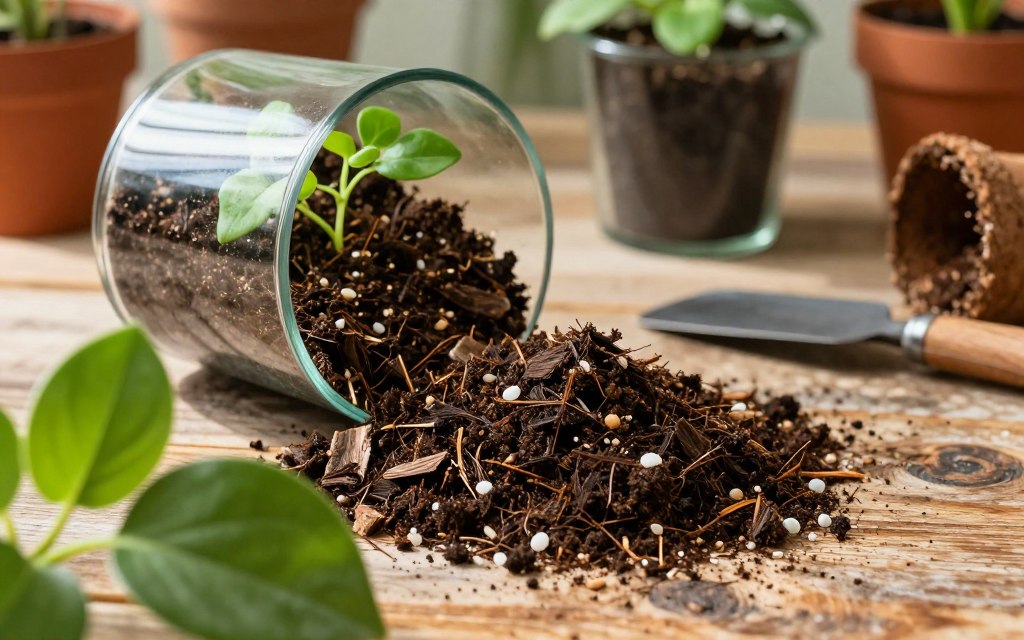
Pick mixes that cut down on gnats, speed up drainage and make watering less guesswork. These options save time and help your plants thrive with less fuss. 🙂
All-purpose: Espoma Organic potting mix
Why pick it: Versatile and organic, Espoma holds just enough moisture and includes mycorrhizae and earthworm castings for steady nutrients.
Who it’s for: Most householders and herb growers who want an emergency-and-everyday bag.
Budget choice: Miracle-Gro Indoor potting soil
Why pick it: Widely available, consistent texture and slow-release fertiliser. It uses coconut coir and perlite so you can start with a reliable base.
Who it’s for: Beginners or anyone buying multiple bags without a big spend.
Succulent and cactus mix
Why pick it: Formulated to drain fast so moisture stays low. Water slowly — some gritty mixes need a pause to actually absorb liquid instead of letting it run through.
Who it’s for: Succulent and cactus owners who prefer quick-drying mixes and minimal root rot risk.
Nutrient-rich mix for leafy growth
Why pick it: Rich organic matter fuels lush foliage and strong growth. Watch watering closely: richer soil can hold more moisture.
Who it’s for: Fast-growing foliage plants that need extra nutrients and steady moisture balance.
- Bag sizes: small (one to three pots), medium (several pots or a few repots), large (many pots or seed starting).
Our picks: the best indoor plant potting mixes and add-ins
Here’s a quick round-up of reliable mixes and handy add-ins to match your houseplants’ needs. Use the mini-template to compare on your phone: best for, texture/drainage, what’s inside, and when to amend.
Espoma Organic Potting Mix
Best for: leafy houseplant growth and nutrient-rich repots.
Texture/drainage: medium weight, retains moisture yet drains reasonably well.
What’s inside: earthworm castings, feather meal, alfalfa, kelp, mycorrhizae and yucca extract.
When to amend: add perlite or pumice if your room is cool or you tend to overwater.
Miracle-Gro Indoor Potting Mix
Best for: beginner-friendly mixes and quick repots.
Texture/drainage: light, fluffy base that holds moisture.
What’s inside: coconut coir, perlite and slow-release fertiliser.
When to amend: mix in extra bark or perlite in low-light, low-heat spots.
FoxFarm Happy Frog & Ocean Forest
Best for: vigorous growth and microbe-rich repots.
Texture/drainage: Happy Frog is well-draining; Ocean Forest is richer and holds more water.
What’s inside: organic matter, beneficial microbes and nutrient blends.
When to amend: add chunky aggregates if drainage is a concern.
“Match the mix to the plant’s roots — airy mixes for epiphytes, chunky mixes for succulents.”
| Mix | Best for | Key ingredients | When to amend |
|---|---|---|---|
| Espoma Organic | Foliage houseplants | Earthworm castings, mycorrhizae, kelp | Add perlite if too heavy |
| Miracle‑Gro Indoor | Beginners, many pots | Coconut coir, perlite, slow‑release fertiliser | Extra bark in cool rooms |
| Bonsai Jack Succulent | Cactus & succulent care | Chunky aggregates, fast-draining grit | Use as-is for low moisture needs |
| Rosey Soil Houseplant | Sustainable houseplant repots | Eco-friendly mixes and packaging | Add worm castings for heavy feeders |
Quick tip: if you’re unsure about watering rhythm, check this watering guide to match mix and schedule: how often to water peperomia.
Match your soil mix to your indoor plants’ natural habitat
Think of potting mixes as habitat kits: pick the one that mirrors your plant’s native ground. When the mix copies the wild setting, watering becomes easier and the roots behave predictably.
Tropical plants and aroids
Why this works: These species like airy, chunky mixes. Add bark, crushed lava rock, coconut coir and a little sand to keep the mix open.
That structure stops thick roots from sitting in water and reduces rot risk.
Succulent mix and cactus soil
Why this works: Succulent mix keeps moisture low and airflow high. Fast drainage and chunky grit mean water passes quickly.
Warning: regular potting mixes often stay wet too long indoors. Use a gritty blend instead.
Epiphytes and orchids
Bark matters here. Orchid bark gives structure and air pockets that epiphyte roots need. Look for chunky bark-based mixes that drain fast.
African violets and ferns
Fine roots like a lighter, moisture-friendly mix that still drains. Choose a softer, well-aerated medium that holds even moisture without compacting.
Bromeliads
Bromeliads want organic matter for nutrition but must not stay soggy. Aim for a rich yet free-draining mix so the crown and root zone dry between waterings.
“Match the mix to the plant’s habitat and watering becomes simpler — your plants will thank you.”
| Plant type | Ideal feel | Common ingredient cues |
|---|---|---|
| Tropical / Aroids | Chunky, airy | Bark, coconut coir, crushed lava rock, sand |
| Succulents | Gritty, fast-draining | Large grit, pumice, coarse sand |
| Epiphytes / Orchids | Open, barky | Orchid bark, chunky wood, charcoal |
| African violets / Ferns | Light, moisture-friendly | Fine peat substitute, coconut coir, perlite |
| Bromeliads | Rich but draining | Organic matter, bark, perlite |
Quick link: If you need a broader guide to choosing a matching mix, see our short primer on choosing the right potting mix.
Key potting mix ingredients and what each one does
Ingredient choices change how a pot breathes, drains and feeds—here’s a simple guide. Use these notes when you read a bag label or build a DIY mix.
Coco coir vs peat moss
Coco coir rehydrates easily and is more sustainable. It gives steady water retention without compacting quickly.
Peat moss holds water well but can go hydrophobic when bone‑dry and is less renewable. Choose coir if you want easier rewetting.
Perlite vs pumice
Perlite is light and great for seed trays because of small particles. It boosts aeration and drainage fast.
Pumice is chunkier and less dusty. It keeps mixes open longer and resists compaction.
Bark, vermiculite and chunky aggregates
Bark and wood chips add structure and slow moisture release—ideal for tropical mixes.
Vermiculite holds moisture gently and helps with seeds and fine‑rooted species. Avoid heavy use with plants that dislike wet feet.
Sand, lava rock and big aggregates speed drainage in arid blends and some tropical bases.
Earthworm castings and organic matter
Earthworm castings supply mild nutrients and improve soil feel. Use them as a top dressing or in small mix batches to feed steadily. 🙂
| Ingredient | Primary role | When to add |
|---|---|---|
| Coco coir | Rewetting, water retention | Use in most potting mixes as peat alternative |
| Perlite | Aeration, drainage | Seed trays, repots that need lift |
| Pumice | Structure, non‑compacting aeration | Succulent and chunky mixes |
| Vermiculite | Moisture buffering, seed starting | Seed mixes, ferns, African violets |
| Earthworm castings | Gentle nutrients | Top dress or mix at low rates |
Want a deeper primer? See a concise guide to choosing the right mix at the ultimate guide to choosing the right soil.
How to upgrade any potting soil with simple amendments
You don’t need a shelf of specialised bags to improve drainage and keep tubs healthy. Start with the bag you already have and add a few smart ingredients to match your watering style and the pot size.
Build a DIY soil mix for better drainage
Quick ratio: 70% base potting + 20% chunky amendment + 10% fine aerator.
Use perlite if you want a lightweight lift. Choose pumice when you prefer long‑lasting structure. Swap some chunky bark in for tropical aroids to slow-release moisture.
Use coco chips and clay pebbles in large pots
Large pots trap a wet core. Toss in a handful of coco chips to open the mix and improve airflow.
Add a layer of clay pebbles under the mix or mix some through the lower third so the centre dries more between waterings.
Charcoal to freshen terrariums and heavy‑watering setups
Horticultural charcoal aids drainage and “sweetens” the mix by reducing stagnation. It’s ideal in closed terrariums or when you know you water a bit too generously.
Top dress with worm castings to refresh nutrients
Sprinkle a thin layer of earthworm castings on top every 3–4 months. It feeds gently without a full repot and keeps pots lively between fertiliser cycles.
- Common mistakes: over‑adding fine material, using pots with no drainage, or changing the mix without adjusting your watering rhythm.
Want a quick deep dive on amendments? See a practical guide to soil amendments to match mixes to common house plant needs. 🙂
Conclusion
Choose a mix that mirrors the plant’s natural ground and fits your house’s drying rhythm. The single best rule is match habitat + home moisture pace, then tweak with one amendment.
Quick reminder: top categories to consider are overall all‑round mixes, a budget option, a gritty cactus/succulent blend and a nutrient‑rich mix for leafy growth. Amendments customise almost any bag.
Non‑negotiables: drainage and aeration first, then moisture balance, then a simple nutrient plan. Adjust watering rather than blaming the pot.
If you’re repotting this weekend, grab one reliable houseplant soil and a drainage booster. Do that and you’ll cover most needs. 🙂