
Quick promise: you’ll get a practical list of air-purifying plants and what they can realistically do in everyday Aussie living. Expect cleaner-feeling indoor air, a calmer vibe, and simple care tips you can use on a busy week. 🌿
This guide nods to the old NASA-style clean-air studies and a nursery rule of thumb: roughly one specimen per 10 square metres for any noticeable effect. Real results depend on room size, ventilation and how many you keep.
You’ll see each entry list what it targets, who it suits (beginner or keen gardener), and short care notes. There are fast picks if you have low light, or tall options if you want a statement palm.
Want to jump straight in? Use this short list to self-select. If you need deeper reading, we link to a handy roundup at plants that clean indoor air.
Table of Contents
Key Takeaways
- Expect modest benefits; many specimens help with VOCs but won’t replace good ventilation.
- One plant per ~10 m² is a simple starting point for noticeable change.
- Each plant note shows who it suits and easy weekly care tips.
- Low-light homes: pick hardy trailing or upright varieties.
- Seasonal bushfire smoke and sealed, air‑conditioned rooms make this topic very relevant in Australia.
Why indoor air quality matters in Australian homes</h2>
Indoor air quality shapes how you feel when rooms are closed up and systems run all day. It’s simply about what you breathe when windows are shut, heaters or air‑conditioning run, and the same air keeps circulating.
Common indoor pollutants plants can help reduce
Pollutants often include volatile organic compounds (VOCs) such as formaldehyde and benzene. These toxins come from paints, finishes, furniture and fragranced products.
Where these pollutants come from around the house
Poor ventilation can cause “sick building syndrome” — headaches, irritated eyes or fatigue even in a clean room. In Australia, long summers with AC and tightly sealed builds in winter make this more likely.
- Sources: new furniture, flat‑pack cabinetry, carpets and fresh paint.
- Also: cleaning sprays, scented candles and hobby materials.
Quick note on CO2: carbon dioxide itself isn’t a toxin at normal levels, but rising levels signal poor ventilation and stuffy rooms.
Plants are part of the response, but the best results come from fixing sources and improving airflow in your home.
What NASA-style research suggests about plants that purify the air</h2>
Laboratory studies have long tested common indoor greenery to see how they interact with volatile chemicals. The takeaway is useful but modest: certain houseplants can absorb some VOCs under controlled conditions, and the soil and microbes help break those compounds down over time.
How houseplants take in VOCs in simple terms
Leaves and roots act like tiny filters. They can take in gases through stomata and root zones. Microbes in potting mix also metabolise some compounds. Over days or weeks, levels of specific chemicals may drop in a closed test chamber.
How many you might need to notice a difference
A practical rule from nursery education is roughly one plant per 10 m². So a 20 m² lounge might use two decent-sized specimens or several small ones. This helps raise humidity a little, which can improve comfort.
| Mechanism | Typical compounds reduced | How noticeable | Practical tip |
|---|---|---|---|
| Leaf uptake | Formaldehyde, benzene | Slow change in levels | Choose hardy houseplants you’ll look after |
| Root & soil microbes | VOCs tied to off‑gassing | Depends on pot size and soil | Use fresh, well‑draining mix |
| Transpiration | Improves humidity | Immediate comfort boost | Group specimens to raise local moisture |
Remember: “clean air” in these studies usually means reduced levels of certain chemicals, not instant removal of smoke, dust or pollen. Impact varies with room size, ventilation and the range of species used.
Next, we’ll pick reliable options that suit Aussie apartments and sun-filled living rooms, so you can match light and care to real conditions — and actually keep them alive. 😊
What to consider before choosing air purifying plants for home</h2>
Start by matching green choices to the real light and airflow in your rooms, not your idealised wishlist. Take a quick walk at different times of day and note where sunlight hits and where it doesn’t.
Light levels: low light vs bright, indirect light
Low light means a few hours and spots far from windows. Some specimens tolerate that.
Bright, indirect light is near a window but shielded from direct sun. Many top picks prefer this.
Watering and humidity needs
Heaters and air conditioning dry rooms fast. Ferns and other humidity lovers ask for regular misting or a humidifier.
Match your realistic watering routine to the plant’s needs. Overwatering is a common mistake.
Space and growth habit
Think tall palms, trailing vines or small desk specimens. Choose based on available floor and shelf space.
Maintenance reality check
Wiping dust from leaves helps light absorption and health. A yearly prune and repot keeps growth tidy.
- Soil sanity: use well‑draining mixes to avoid root rot.
- Quick win: pick what thrives in your conditions — that’s the real benefit.
Golden Cane Palm (Areca Palm)
A lush, holiday-at-home option that looks great in living areas and supports a fresher-feeling air profile. The Golden Cane Palm can reach around two metres indoors and quickly fills vertical space to soften hard interiors.
Air-cleaning strengths
The palm is often listed as effective against formaldehyde, xylene and toluene. Some retailer guides also add benzene, carbon monoxide and trichloroethylene to the list.
Care basics: bright light, warmth and humidity
Keep it in bright, filtered light and away from cold draughts. Aim for steady warmth and steady humidity; palms dislike dry, heated rooms.
- Water when the top soil feels slightly dry — keep soil lightly moist, never waterlogged.
- Good drainage matters more than a rigid schedule.
- In cool or dry Aussie winters, group specimens or mist lightly to avoid crispy tips.
Quick comparison: palms need a different moisture and humidity balance than a ficus. If you want more care tips, see our care roundup.
Peace Lily</h2>
The peace lily makes a bold, leafy statement — and it tells you when it needs a drink. Its wilting habit is useful: a quick check of the pot and a water top-up brings it back to glossy life.
Why it’s rated efficient: this species shows up in many NASA-style lists and indoor guides as a top performer at reducing common VOCs. That reputation comes from lab and practical trials where specimens removed measurable amounts of gases over time.
What it targets
- Ammonia
- Benzene
- Formaldehyde
- Trichloroethylene
- Xylene
Care basics
Place in bright-to-medium indirect light. Keep the soil evenly moist but never waterlogged and use a pot with drainage.
Wipe leaves occasionally so the plant can work well and look tidy. If leaves droop, check moisture before changing anything — this is the peace lily’s clear cue. Great in bedrooms and offices when you want green with low fuss. 🌿
Devil’s Ivy (Golden Pothos)
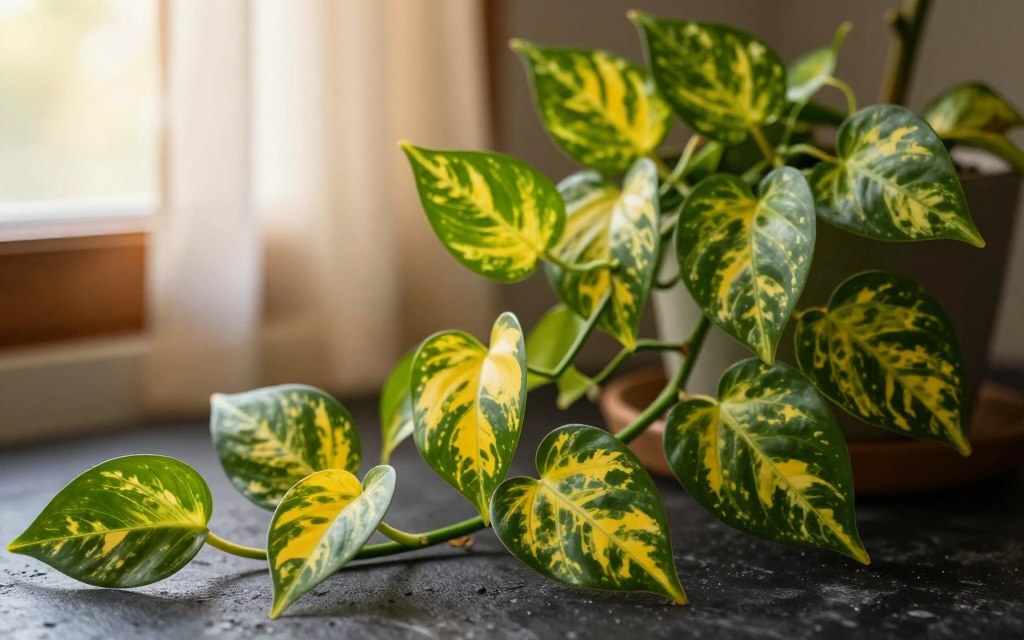
Golden Pothos is the go-to choice when you want easy wins and low fuss. This hardy plant is a confidence builder if you’re busy or new to indoor greenery. It tolerates low light and bounces back from skipped waterings.
Toxins it helps reduce
What it targets: formaldehyde, benzene, xylene, toluene and trichloroethylene — names you’ll see in many lab lists. Devil’s Ivy is often recommended because it copes with typical indoor conditions.
Care basics
Let the top of the soil dry before you water. Avoid leaving the pot sitting in water. If leaves yellow, you’re likely overwatering; leggy growth means it needs brighter, indirect light.
Styling ideas
Use hanging baskets, trail it along a shelf, or train it up a moss pole for vertical impact. There’s a wide range of variegated forms, so you can match minimalist or tropical looks easily.
| Feature | Targets | Care cue | Styling |
|---|---|---|---|
| Low-light tolerance | formaldehyde, benzene | water when top soil dries | hanging basket |
| Fast recovery | xylene, toluene | avoid waterlogging | trail on shelves |
| Variety range | trichloroethylene | bright indirect light if leggy | train up a pole |
English Ivy</h2>
English ivy is a classic choice that looks elegant while also earning a solid place in indoor air discussions.
Why it’s often rated highly: Hedera helix shows up in many NASA-style roundups and indoor air guides. Labs and practical trials note its ability to reduce common VOCs, which is why it’s recommended often.
What it targets
- formaldehyde
- benzene
- xylene
- toluene
Care basics
Give moderate light and avoid harsh sun. Keep the soil evenly moist and follow a gentle watering routine.
Misting now and then helps in dry heated rooms. In Australian winters, heated conditions can dry leaves, so group specimens or increase humidity to prevent leaf crisping.
Benefits and styling
Beyond VOC reduction, english ivy softens shelves and corners with trailing foliage. It’s often grown indoors for leaves rather than flowers and works well in hanging pots or on a high shelf. 😊
| Feature | Targets | Care cue |
|---|---|---|
| Classic trailing habit | formaldehyde, benzene | moderate light, even soil moisture |
| Good in small spaces | xylene, toluene | mist occasionally in dry conditions |
| Easy styling | multiple VOCs | use hanging pots; grow for foliage, not flowers |
Spider Plant</h2>
If you’ve ever killed a pot by accident, the spider plant is the gentle reset you need. It’s a forgiving choice that suits beginners and anyone who wants low-stress greenery. 😊
Toxin targets: this species is often cited for reducing formaldehyde, xylene and toluene in indoor settings.
Why it works well for beginners
The spider plant tolerates a wide range of conditions and forgives missed watering more readily than fussier species. It can produce small white flowers and long stems bearing baby plantlets you can propagate.
Quick care cues
- Light: bright, indirect light is ideal; it also copes with medium light.
- Watering: water when the pot feels lighter and the top layer is dry.
- Watch for: arching leaves, brown tips (trim them off), and baby offsets.
| Feature | Practical tip | Best placement |
|---|---|---|
| Hardy growth | tolerates varied conditions; low fuss | on shelves, side tables, hanging baskets |
| Propagation | snip and root baby plantlets to make new pots | child-free or pet-safe zones where leaves can cascade |
| Visual cue | small white flowers signal healthy conditions | bright spot with indirect light |
Bottom line: the spider plant is your reset button — easy to keep alive, useful against formaldehyde, and a cheerful, cascading presence in many rooms.
Boston Fern</h2>
Think of the Boston fern as a humidity hero that also helps tackle common indoor chemical traces.
Air quality benefits plus natural humidity support
The boston fern is often praised for improving local air quality by reducing formaldehyde and xylene.
Some guides also list ammonia and benzene among the compounds it can help with.
Care basics: humidity, watering and soil
This is not a set-and-forget pick. It prefers consistently moist soil and higher humidity to keep fronds soft.
Check watering regularly; the pot should never dry out completely.
Practical tips and placement
Bright shade or indirect sunlight suits it best. Direct sun will scorch delicate leaves.
Good rooms include bathrooms, laundries or living areas where you can monitor moisture and enjoy the lush look. 😊
- Humidity hacks: misting, a pebble tray, or grouping specimens together.
- Maintenance cue: remove brown fronds and wipe foliage so the plant can photosynthesise efficiently.
- Be honest: it rewards regular care with a fuller, greener presence and noticeable humidity benefits.
Bamboo Palm</h2>
If you want a tall, soft-screen green that fills vertical space, the bamboo palm is a reliable pick. It suits open living zones and adds a calm, tropical note without feeling fussy.
Toxins commonly cited
The bamboo palm is often listed as helpful against formaldehyde, benzene and trichloroethylene. Some summaries also include xylene among the VOCs it can affect.
Care basics
Place it in bright, warm, indirect light. Keep the soil evenly moist but never boggy, and use a pot with good drainage.
Placement and growth
It can reach up to around three metres indoors in good conditions, so plan your space accordingly. A spot near a bright window with sheer curtains works well—set the pot back from glass to avoid temperature swings.
| Feature | Care cue | Best room |
|---|---|---|
| Tall, screening habit | rotate monthly to prevent leaning | living areas, open-plan lounges |
| VOCs targeted | keep soil moist; avoid root sitting in water | rooms with natural light but not harsh sun |
| Style range | works in coastal, modern, boho schemes | any spacious corner |
Quick tip: rotate the pot monthly so the stems grow evenly. If you want more background on species often cited in lab lists, see this NASA-style roundup at NASA plant list.
Snake Plant (Mother-in-Law’s Tongue)
If you want a near-indestructible green that asks for very little, meet the snake plant. It’s also called mother-in-law’s tongue because of its upright, blade-like leaves.
Toxins it can help reduce
- formaldehyde
- benzene
- xylene
- trichloroethylene
Simple care script
The snake tolerates low light and infrequent watering. Let the soil dry between drinks. Water sparingly and avoid a soggy pot — overwatering is the usual cause of loss.
Bedroom bonus and practical notes
People often place one near the bed because the species is noted for oxygen output at night. It’s not a fix for carbon dioxide problems, but it’s a handy, low-effort addition in the mix.
“A near-indestructible option that suits busy routines and low‑light corners.”
| Feature | Why it helps | Best use |
|---|---|---|
| Low maintenance | Tolerates neglect and low light | Bedrooms, hallways, apartments |
| Targeted VOCs | Formaldehyde, benzene, xylene, trichloroethylene | Near living areas or study nooks |
| Styling | Sculptural leaves; clusters or single floor pot | Modern, minimalist schemes |
Dracaena (Dragon Tree types)
Choose dracaena when you want a mini indoor tree that gives height without the spread of a palm. It suits entryways, living rooms and home offices where a tall, sculptural green makes an impact with moderate effort. 😊
What it can target: many guides single out benzene, xylene, toluene, trichloroethylene and formaldehyde as gases dracaena may help reduce in controlled tests.
Care basics: bright, indirect light is ideal. Use a pot with drainage and a well‑draining soil mix. Water only when the top layer dries slightly — overwatering leads to root rot.
Look for visual cues. Droopy or soft stems usually mean too much watering. Pale or yellowing leaves can signal a need for more light.
- Place dracaena in bright, indirect light near windows but out of direct sun.
- Check soil before watering; avoid soggy pots.
- It’s one of the easiest indoor plants to style as a focal piece.
“A tall, low‑maintenance plant that gives big visual returns without daily fuss.”
Rubber Plant (Ficus elastica)
With large, shiny foliage, a ficus can lift a corner visually while contributing modestly to indoor chemical removal.
The rubber plant is loved for bold, sculptural leaves that look great in a bright living room corner. Those big leaves also catch dust, so a quick wipe keeps the surface glossy and working well.
Why big leaves help
Large leaves offer more surface area to intercept dust and volatile compounds like formaldehyde. Wiping lets the leaf photosynthesise efficiently and improves its practical benefit.
Toxins commonly cited
This ficus is often listed as helping reduce formaldehyde, and retail guides add benzene, xylene and trichloroethylene to the list.
Care basics
Place it in bright, indirect light and water when the top 2cm of soil feel dry. Avoid harsh sun that can scorch the leaves.
In warm months water a little more; cut back in winter. Let soil feel right, not a calendar, guide your routine.
| Feature | Care cue | Best spot |
|---|---|---|
| Big glossy leaves | wipe occasionally | bright corner, away from direct sun |
| VOCs cited | keep healthy soil and drainage | living room or study |
| Seasonal rhythm | more watering in warm months | protected from cold draughts |
Style + function: if you want both a statement green and modest indoor benefit, this is an easy yes — and there’s a useful care guide at rubber plant care. 😊
Philodendron</h2>
Philodendrons are the friendly, forgiving greens that tell you when they need attention.
What it targets:
Toxins targeted: formaldehyde
The philodendron is commonly cited as effective at reducing formaldehyde in indoor settings. It won’t replace ventilation, but it adds modest benefits while you improve sources and airflow.
Care basics: adaptable indoor plant with simple cues
Most varieties prefer bright, indirect light. Water when the top layer of soil feels dry and avoid leaving the pot soggy — simple watering habits keep it healthy.
It’s an easy starter plant. Many types signal thirst by drooping leaves, so you often just need to listen and act. Choose trailing heart-leaf forms to tuck on a shelf, or upright, bushy types for a sideboard.
- Placement cue: shelves, sideboards or near bright ambient windows.
- Benefits: lush foliage softens rooms and helps you feel calmer while you work.
- Adaptability: handles varied conditions and rewards simple care.
| Feature | Care cue | Best spot |
|---|---|---|
| Signs when thirsty | water when top 2cm of soil is dry | shelves, sideboards, work desks |
| Form factor options | trailing or upright varieties | hanging baskets or pots on stands |
| Main toxin target | formaldehyde | living rooms and bedrooms |
Where to place indoor plants for the best air quality results</h2>
Place greenery where you spend most of your time. That simple move boosts perceived indoor air and adds real comfort across daily routines.
High‑impact rooms: bedrooms, living rooms and home offices deserve priority. You spend long stretches in these spaces, so they offer the best return on attention and care.
Keep plants away from harsh sunlight and draughts
In Australia, protect foliage from strong north and west sunlight; it can scorch leaves quickly. Avoid heating blasts, air‑con streams and constantly opening doors that stress growth.
Group to raise humidity and visual impact
Clustering specimens creates a small micro‑environment. Grouping can nudge local humidity up and gives a calm visual focal point.
- Spacing tip: don’t cram pots so leaves touch — leave room for air circulation.
- Practical prompt: do a quick walk‑through and pick 2–3 spots with steady light and easy watering access.
- Quick link: if you want background on species often cited in lab lists, see this NASA plant list.
Balance looks with function: place greens where they support your routine, suit the light levels and fit the available space. 😊
Plants vs air purifiers: what works best for cleaner indoor air</h2>
Some tools work fast, others work slowly — here’s a clear way to weigh them. You’ll see why houseplants and machines often suit different problems, and how a combined approach makes sense in most Aussie rooms.
What greenery does well
Plants help reduce certain VOCs over time and raise local humidity. That can make a room feel fresher and more comfortable.
Dr Bill Wolverton has argued that vegetation is useful as part of a broader pollution‑control system, not a single fix.
What purifiers do better
HEPA + activated carbon units remove particles fast: dust, pollen, mould spores and smoke. They are the quick win during bushfire smoke or allergy seasons.
Why a combined approach often makes sense
Use a purifier if you have asthma or allergies. Add a few houseplants to help with VOCs and humidity. Together, they improve overall quality and comfort.
| Task | Plants excel | Purifiers excel |
|---|---|---|
| Particles (dust, pollen) | No | Yes — HEPA filters |
| VOCs (chemical gases) | Yes — slow uptake | Yes — activated carbon helps |
| Speed of effect | Slow (days–weeks) | Fast (minutes–hours) |
Everyday tips to improve indoor air beyond houseplants</h2>
Small habits make a big difference. Use simple steps that suit Aussie weather and daily life to reduce pollutants and boost overall air quality in your rooms.
Ventilation habits that suit Australian weather
Open windows early or late. In summer, ventilate in the cooler mornings and evenings to catch fresh breezes without hot mid‑day air. In winter, short cross‑breezes on milder days work well.
When outdoor smoke or high pollen is present, keep windows closed and use mechanical filtration instead.
Reducing VOCs from cleaning, paints and fragranced products
Cut sources at the shelf. Choose low‑VOC paints and unscented cleaning products. Store solvents and fuels in sealed containers away from living spaces.
Common examples you’ll hear about are formaldehyde and benzene — they often come from finishes, new furniture and strong fragranced items. Minimising these sources reduces long‑term load.
Using exhaust fans in kitchens and bathrooms
Run fans during cooking and showers. Exhaust systems remove moisture and grease that can trap pollutants and lead to mould. Even a short run after use helps prevent damp problems.
Tracking results with an indoor air quality monitor
Measure to manage. A monitor that tracks carbon dioxide, humidity and particulates tells you when to ventilate and when to filter.
High carbon dioxide levels are a simple cue to refresh a room. Humidity trends show mould risk, so you can act before problems start.
“A quick weekly routine: short ventilation, fan use while cooking/showering, swap high‑VOC products, and check monitors — then do a plant check to keep things steady.”
- Practical weekly habit: 5–10 minutes of targeted ventilation when outdoor conditions are good.
- Routine: use exhaust fans, avoid scented products, seal chemical stores.
- Tip: a monitor helps you spot patterns and makes decisions simple.
Conclusion</h2>
Conclusion
A few well-chosen greens, paired with better ventilation and an optional filter, make the most useful step you can take towards healthier indoor air and improved air quality.
Practical takeaway: air-purifying plants and indoor plants help slowly remove some VOCs, but they work best as part of a wider plan that includes airing rooms and monitoring.
Start simple: pick 2–3 easy species. The snake plant, spider plant and devil’s ivy are beginner-friendly and quick wins. Match a palm or peace lily to living areas, and a fern where you can keep humidity up.
Keep plants healthy — right light, watering and clean leaves — because thriving growth gives the best quality boost. Choose your mix, improve ventilation, and watch your home breathe a little easier. 🌱