
Short answer: Jade plants like bright light, but constant harsh exposure isn’t ideal in Australia. Aim for a balance: bright, indirect light most of the day with a few gentle hours of direct morning or late-afternoon rays.
Crassula ovata is a hardy succulent that adapts well around the home. It thrives with about 4–6 hours of good light daily to stay compact and colourful.
You’ll learn how to place a pot by a window, set up a shaded spot outdoors, and quickly fix two common problems: weak, leggy growth from too little light, and bleached or brown patches from too much heat.
Quick practical steps: rotate your plant, acclimatise it slowly to stronger exposure, pick an east or west window, and consider a gentle grow light in darker months.
Table of Contents
Key Takeaways
- Bright, indirect light plus some gentle direct rays works best in most Aussie homes.
- About 4–6 hours of good light helps the plant stay compact and healthy.
- Too little light = leggy, pale growth; too much heat = bleached or brown patches.
- Rotate, acclimatise and choose an east/west window for easier care.
- Use a soft grow light in winter or darker rooms for steady growth.
Jade plant light requirements for healthy growth in Australia
Light is the single most important factor that shapes how compact and colourful crassula ovata becomes. Aim for about 4–6 hours of quality light each day to keep stems short and foliage dense.
Prefer bright, indirect light for most of the day. A few gentle hours of direct sunlight in the morning or late arvo are good. In many Australian regions, harsh midday sun can burn leaves, so avoid long unfiltered exposure.
Correct exposure gives you closer leaf spacing, stronger stems and deeper colour. Under lower conditions you’ll see narrower, greyish leaves and leggier growth. Too much heat plus a dry pot mix can cause wrinkling and dehydration.
How many hours of light jade plants need each day
Set a simple target: 4–6 hours of good light daily. That doesn’t mean blazing sun the whole time — bright, filtered light works well.
For extra tips on easy care and placement, see this guide to low-maintenance plant care.
Do jade plants need full sun, or is partial light better?
Balanced exposure — bright mornings and filtered afternoons — protects foliage while keeping stems short.
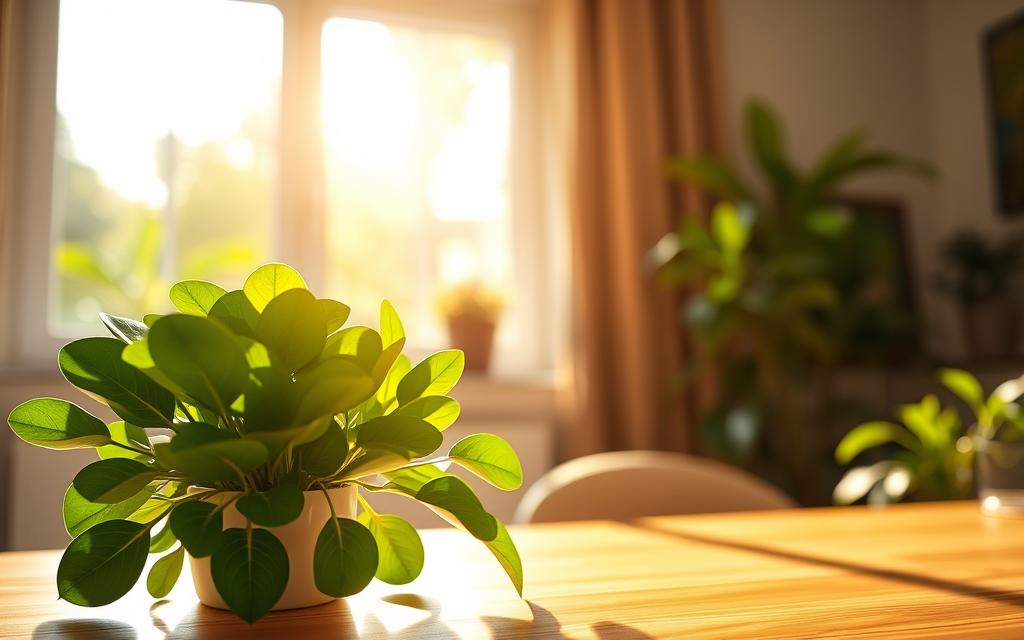
When they tolerate full sun (and when it backfires)
Outdoor specimens that have grown in strong light over time can handle extended direct sunlight. Airflow, stable temperatures and established pots help them cope.
But sudden exposure from an indoor spot to harsh midday rays often causes damage within hours. Leaves can bleach, brown or wrinkle if the change is too fast.
The safest daily light pattern
The easiest routine is a few hours of morning sun, then bright, filtered or partial shade through peak heat. This gives solid colour and compact growth without stress. If you want a stronger position, increase exposure slowly over about two weeks to let the foliage acclimatise.
Part-sun outcomes to watch for
Too little strong light causes leggy stems and wider gaps between leaves. New leaves may be narrower and paler, and overall colour fades.
| Exposure | Typical result | How fast change shows | Best fix |
|---|---|---|---|
| Morning sun + filtered afternoon | Compact stems, rich colour | 2–6 weeks | Maintain pattern, rotate pot |
| Sudden direct sunlight | Bleached or brown leaves | Hours to days | Move to shade, mist and monitor |
| Part shade / low light | Leggy growth, pale colour | Weeks to months | Shift to stronger window light |
- Quick answer: they don’t need full sun all day, but they do need strong light to avoid stretching.
- Indoors: favour a bright window. Outdoors: manage timing and heat.
Best placement indoors: windows, rooms and grow lights
Pick the brightest shelf you can without baking the leaves, then fine-tune from there. A south- or west-facing window usually gives strong, warm light in Aussie homes while east windows offer gentler rays.
Choosing the right window
Place your pot within easy reach of the glass but out of direct midday heat. If a corner stays dim, that signals low light and you should move it closer to a brighter window.
Prevent leaning with rotation
Try a simple leaning test: if the plant tilts hard toward the glass, it’s asking for more even exposure.
- Rotate the pot a quarter turn each week to keep growth balanced.
Using a grow light
When natural light is limited, run a good LED for about 12–14 hours a day. Position the lamp roughly 15–30 cm above the foliage to avoid bleaching.
Where not to place them
Avoid cold draughts, very dark corners and spots that trap heat, like right above heaters or against scorching west glass.
For extra indoor setup tips, see this indoor plant care guide.
Outdoor jade plants: getting the light right in gardens and containers
Outdoor pots often expose succulents to much harsher light and faster drying than an indoor window can provide. That means placement, soil and pot choice matter more when you move a specimen outside.
Picking a spot with enough sun while avoiding peak heat stress
Aim for about 4–6 hours of direct early sun, then protection through peak heat. Morning rays build strong stems without scorching leaves.
Use shade cloth, dappled light or a sheltered courtyard corner when afternoon temperatures soar. Outdoor sunlight is stronger than indoor light — Aussie summer heat can intensify stress fast.
Container tips to stop top-heavy plants tipping and to improve drainage
Choose a wide, heavy-bottomed pot to prevent tipping in wind or after watering. A gritty, free-draining succulent mix cuts root-rot risk.
Let the soil dry between waterings; outdoor pots dry out quicker with higher temperatures, so check the top layer before you water again.
- Placement rule: morning sun + afternoon protection.
- Watch: pots can heat and dry faster — adjust watering with temperatures.
- Soil & drainage: use a succulent mix and extra grit for fast runoff.
For a practical setup and light tips see this detailed light guide, and for potting mix ideas try these succulent potting tips.
Too little light: how to spot it and fix low light jade plant problems
Insufficient room brightness forces a plant to grow taller and weaker as it hunts for light. You’ll notice this as long gaps between leaves, thin stems and a pot that leans toward the window. These are classic signs of low light.
Key signs to watch
- Leggy growth and widely spaced leaves
- Pale or dull leaves, leaf drop and slow growth
- Thin stem, leaning toward brighter glass
Practical fixes (step by step)
Increase light gradually. Move the pot closer to a brighter window for a few hours each day over a week. This avoids shock.
If natural light is limited, set a timed LED grow lamp for short stretches. For a quick reference on staged care, see this care guide.
Prune and protect
Trim stretched stems to encourage branching. Cut back to a node and new shoots will form over time. Remember: older stretched parts don’t shorten, but new growth can be compact and healthy.
| Problem | Cause | Quick fix |
|---|---|---|
| Leggy stems | Low light levels | Move closer to light + prune stretched stems |
| Pale or dropped leaves | Insufficient brightness + overwatering | Let soil dry, cut back watering, improve light slowly |
| Slow growth | Low light and compacted soil | Raise light, refresh soil mix, check roots for root rot |
Make sure you don’t keep the soil wet in dim spots. Overwatering raises root rot risk. Let the soil dry between waterings and monitor new leaf colour and growth over time. You’ll often see recovery within weeks with steady light and simple pruning — so be patient and consistent. 😊
Too much sun: preventing and treating sunburn on jade plants
A sudden blast of harsh light can quickly scorch foliage and weaken a succulent. Spotting stress early saves healthy growth.
What sunburn looks like
Watch for bleaching or white patches on top leaves, red edges, wrinkling from dehydration, and brown crispy spots. Severe cases cause leaf drop.
Immediate steps to stop damage
Move the pot into bright, indirect light — not deep shade. Use a sheer curtain or a shaded spot to filter harsh rays.
Don’t overcorrect: avoid hiding the plant in a dark corner. Steady bright light supports recovery.
Revive sun-stressed growth
- Prune brown or crispy sections so the plant saves energy for healthy growth.
- If the soil dried out fast, water lightly and evenly; if the soil is still moist, hold off on more watering.
- Monitor new leaves over the next few weeks and adjust care as colour returns.
Acclimatise to stronger light
Increase exposure over about two weeks. Start with short morning sessions and add 15–30 minutes daily. This gradual plan reduces shock and builds tolerance.
Prevention tips: block harsh afternoon rays, watch reflective surfaces that amplify heat, and avoid prolonged placement against hot west-facing glass.
For a deeper read on managing sun exposure, see this sun exposure guide for practical plant care tips.
Conclusion
A steady routine beats extremes when caring for crassula ovata at home.
Keep bright, filtered light for much of the day and avoid harsh midday exposure. A simple setup — a bright window or a timed grow light, regular rotation and slow seasonal adjustments — delivers steady growth and colour.
If growth goes leggy and pale, give more light. If leaves bleach or brown, cut direct rays and follow recovery steps: move to filtered light, prune damaged sections and resume gentle watering.
Remember: light and watering work together. Healthy roots in a free‑draining mix make brighter spots easier to handle.
Pick one action today — move the pot, add a sheer curtain, rotate the pot or start acclimatising — and watch steady improvement. For a detailed light guide to help with placement and care.
FAQ
Do jade plants need full sun or partial light?
Most Crassula ovata prefer bright light with some direct morning sun but not harsh afternoon rays. A mix of strong indirect light and a few hours of gentle sun gives compact growth, good leaf colour and fewer leggy stems.
How many hours of light do jade plants need each day?
Aim for 4–6 hours of bright light or 6–8 hours of mixed bright indirect light and morning sun. In low-light homes, supplement with a grow light to reach those hours without overheating the foliage.
What’s the difference between bright indirect light and direct sunlight for Crassula ovata?
Bright indirect light keeps leaves healthy and avoids scorching. Direct sun — especially intense afternoon sun — can bleach or burn leaves. Morning sun is gentler and usually safe for colour development.
How does light affect leaf colour, compact growth and overall foliage health?
Strong, consistent light promotes deeper green or red-edged leaves and tighter, compact stems. Too little light causes pale, stretched stems and leaf drop. Too much harsh sun causes bleaching, brown patches or wrinkling.
When will full sun tolerance work — and when can it backfire?
Younger, acclimatised plants and those in cooler climates tolerate more direct sun. In hot Australian summers or freshly moved plants, intense midday sun often causes sunburn and stress.
What’s the safest daily light pattern for jade plants?
Provide gentle morning sun and filtered or indirect light during the hottest part of the day. If you must place plants in afternoon sun, give some shade for the peak hours to prevent heat stress.
What happens with part sun exposure?
Part sun often leads to leggy growth, narrower leaves and faded colour. The plant stretches toward light and becomes less compact and attractive unless you improve light or prune regularly.
Which windows are best for indoor placement in Australian homes?
East-facing windows are ideal for morning sun. North-facing windows give steady light without extreme heat in many parts of Australia. West windows provide strong afternoon sun and may need shading in hot regions.
How can I prevent leaning and uneven growth indoors?
Rotate the pot a quarter turn every week or so. That evens light exposure and keeps stems balanced. Short, regular pruning also maintains a compact silhouette.
When should I use a grow light?
Use a full-spectrum LED grow light if natural light is limited — for example in winter, north-facing rooms with deep sills, or apartments with shaded windows. Keep the light on 10–12 hours a day for best results.
Where should I avoid placing jade plants indoors?
Avoid cold drafts, radiators, dark corners and spots with sudden heat spikes. These stress the plant, encourage leaf drop and increase the risk of root rot if moisture fluctuates badly.
How do I choose a garden or container spot that gives enough sun without causing heat stress?
Pick a location with morning sun and afternoon shade, or dappled light under a tree. In pots, move them into shade during heatwaves and provide a sheltered spot against intense western sun.
What container tips stop top-heavy plants tipping and improve drainage?
Use a low, wide pot with good drainage holes and a gritty, free-draining mix. Add weight (clay saucer, stones) to the base if needed and avoid water-retentive soils to prevent root rot.
How can I spot signs of too little light?
Look for leggy or stretched stems, pale or smaller leaves, leaf drop and very slow growth. These indicate the plant is not getting enough hours or quality of light.
How do I move a plant into brighter light without shocking it?
Acclimatise gradually over 1–2 weeks. Start with an hour of extra sun daily and increase exposure a little each day. Watch for sun stress and slow the transition if leaves show marks.
Can pruning help a stretched plant recover?
Yes. Prune long, floppy stems to encourage branching and a compact shape. Re-root healthy cuttings to replace sparse growth and refresh the pot if the plant is root-bound.
What does sunburn look like on a jade plant?
Sunburn appears as bleached white patches, red or brown edges, wrinkled leaves and dry brown spots. Severe burn can cause leaf drop and weakened stems.
What immediate steps stop sun damage getting worse?
Move the plant out of direct harsh sun, give shaded shelter and reduce heat exposure. Avoid heavy watering immediately after sunburn; instead, stabilise conditions and protect from further rays.
How do I revive a sun-stressed plant?
Prune away badly damaged leaves, check soil moisture and avoid overwatering. Provide steady, filtered light and gentle care until new healthy growth appears.
How do I acclimatise a plant to stronger sunlight over a couple of weeks?
Increase daily sun exposure gradually, starting with short morning periods. Track leaf response and stop or slow the change if you see bleaching or browning.