
You want the best spot that helps steady growth, not just a quick shelfie. Peperomia are a large tropical group with thick, semi-succulent leaves. Most are slow-growing, low maintenance and pet-friendly.
They thrive in bright, indirect light. Too much direct sun will scorch those fleshy leaves. Think of light first, then temperature and humidity when choosing a nook.
Many varieties exist, from the dainty watermelon peperomia to the more robust baby rubber plant. People often mix up the baby rubber plant with a true rubber plant, but they have different sunny-window needs.
Throughout this guide we’ll follow a simple placement checklist: light, warmth, humidity and soil. You’ll get room-by-room tips that suit Australian homes and quick tweaks—move back a few feet, add a sheer curtain or rotate weekly—that fix most issues. 🙂
Table of Contents
Key Takeaways
- Choose bright, indirect light rather than harsh sun.
- Peperomia types store water in their leaves and tolerate brief neglect.
- Watermelon peperomia and baby rubber plant share similar placement needs.
- Room temperature and humidity matter more than a sunny window alone.
- Small moves—rotate or shade—solve most growth problems quickly.
What “perfect placement” means for peperomia plants
Perfect placement is simply the spot where your plant gets steady light, cosy warmth and the right humidity without stress. Think of it as a gentle balance that keeps growth steady and leaves healthy.
Bright, indirect light to protect fleshy leaves
Bright, indirect light keeps green leaves vivid and patterned. It feeds growth while shielding fleshy leaves from harsh rays.
Direct sunlight can scorch a leaf in a hot Aussie window, so aim for filtered brightness rather than full sun.
Warm, stable indoor temperatures
Peppers do best in steady warmth—about 18–27°C. Sudden swings cause stress.
Avoid cold drafts, air-con blasts or sitting too close to heaters. Bring plants inside well before nights drop below 10°C.
Moderate to high humidity for healthy foliage
These conditions suit smoother, fuller foliage. Bathrooms with natural light or a small humidifier help more than quick misting.
Watch leaves for light clues and adjust location first. The right nook reduces leaf drop and keeps growth compact. 🙂
Best place for peperomia plant: choosing the right light in your home or office
Aim for steady, dappled light rather than sudden bursts of sun — your leaves will thank you.
How to spot bright, indirect light in real rooms
If you can read comfortably without the sun glaring on the page, that usually signals a good spot. Bright light should be even and soft. It feeds colour without burning edges.
East- and west-facing windows as the sweet spot
East windows give gentle morning rays. West windows work too, but watch the hot afternoon glare. Try a sheer curtain when the arvo sun gets intense.
How far back from north- or south-facing windows
In many Australian homes, a couple of feet (30–60 cm) back from a north-facing window reduces scorch risk. South-facing windows can be fine at the same distance if light is limited.
When filtered light and artificial options help
Sheer curtains or blinds tame harsh sunlight and keep green leaves vibrant. In offices or dark corners, fluorescent or LED grow lights on an 8–12 hour timer give steady exposure.
| Window | Morning | Afternoon | Recommended distance |
|---|---|---|---|
| East | Gentle | Mild | Direct at sill or 0–30 cm back |
| West | Low | Strong (watch) | 30–60 cm back or filtered |
| North | Strong | Strong | 60 cm+ back or filtered |
| South | Mild | Mild | 0–60 cm back depending on brightness |
Quick tip: Move the plant 30–60 cm at a time and check new growth after two weeks. Rotating the pot prevents lopsided stems and keeps colour even. 🙂
Room-by-room placement ideas that suit Australian homes
Aim for a calm location that gives gentle light and stable temperatures every day.
Living rooms
Start in the living room. It often has steady warmth and reliable indirect light.
Choose a side window spot where sunlight brightens the area but does not burn the leaves. Rotate the pot weekly to keep growth even.
Bedrooms & home offices
Small desks, shelves or side tables work well. These are places you notice the plant and keep up regular care.
Peperomia often shine as compact houseplants, so they do not crowd small surfaces.
Bathrooms & laundries
Bathrooms with natural light give higher humidity that suits foliage and soft textures. Terrarium-like spots can also work.
Remember: more humidity ≠ more water in the pot. Let the soil dry slightly between drinks.
Signs and quick fixes
Stretched stems mean too little light. Move closer to a window or add a grow lamp.
Avoid vents and direct air-con drafts where plants face sudden temperature swings. 🙂
| Room | Ideal light | Why it works |
|---|---|---|
| Living room | Bright, indirect | Stable temps, visible spot for care |
| Bedroom/Office | Filtered light or desk lamp | Easy to notice and maintain |
| Bathroom/Laundry | Bright with high humidity | Supports lush foliage; water less often |
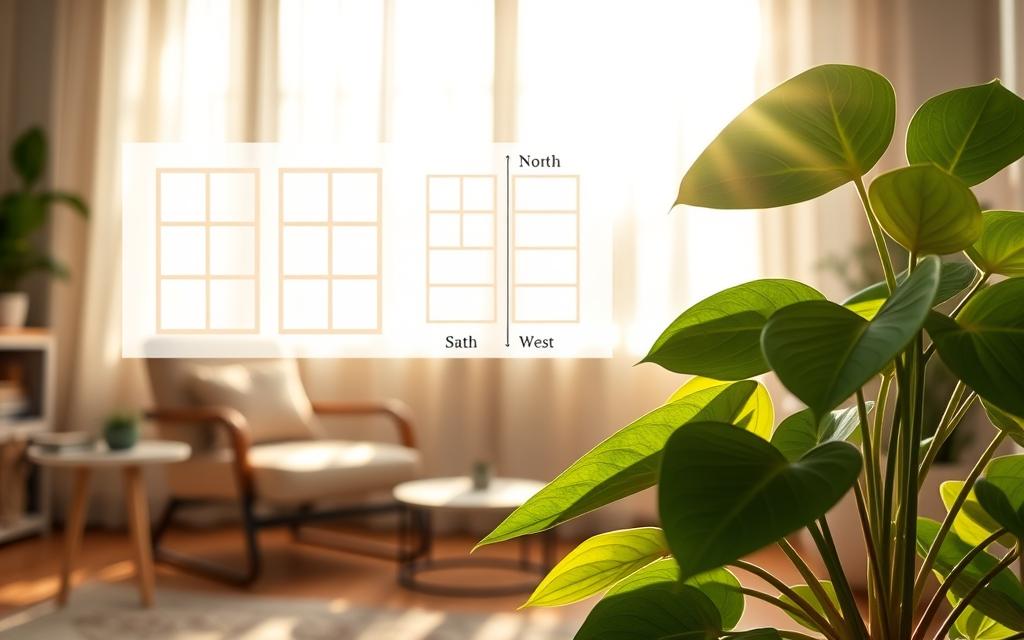
Window and orientation guide to avoid direct sunlight damage
Not all windows are equal—orientation controls how much usable light arrives each day.
Signs your peperomia is getting too much light
Watch leaves after a hot day. Scorch looks like brown, crispy edges, faded patches or yellow spots.
Bright, harsh sunlight can leave scorch marks across a leaf surface. If you see these, move the pot back or add a sheer curtain.
Signs your peperomia is getting too little light
Too little light shows as leggy stems and fewer new leaves. Colour dulls and variegation can fade.
When stems stretch toward the window, the plant uses energy to reach light rather than to fill out. That harms overall growth.
Rotating the pot for even light and balanced stems
Make a simple weekly habit: rotate the pot a quarter-turn. This gives all sides similar exposure and stops leaning.
- Window cheat sheet: east = gentle morning light; west = watch afternoon glare; north = bright (filter if needed); south = gentler light.
- If leaves scorch: back off the glass or soften sunlight with a curtain.
- If leaves dull: move a little closer to a bright window or add indirect light with a lamp.
Round-leaf orientation tips and indoor light guides are handy if you want quick comparisons.
Seasonal placement and outdoor time in Australia
Summer sun and winter chills demand simple moves to keep foliage happy across the months.
In summer your small houseplant can enjoy outdoor life. Offer a covered patio or verandah with bright, indirect light. Avoid direct sunlight that will burn leaves quickly.
On very hot days, move the pot deeper into shade and increase gentle airflow. This protects leaves from dehydration without blasting them with wind.
Winter warmth and chilly nights
Before nights fall below about 10°C, bring plants inside. Cold glass radiates chill onto pots, so pull them a short distance from the window at night.
During the cooler months, especially inland, temperatures can drop fast—bring them in early rather than risk root stress.
Drafts, air‑con and radiator care
Think of this group as a “radiator plant”: it likes warmth but not hot blasts. Avoid heaters or air‑con vents aimed at foliage.
Do a quick draft test: if you feel a breeze where the pot sits, the stems feel it too—move to a calmer location.
- Spring and summer: trial short outdoor stays in bright shade; watch for midday heat.
- Autumn and winter months: prioritise stable indoor warmth and gentle light.
| Season | Outdoor option | Indoor adjustment | Quick tip |
|---|---|---|---|
| Spring | Short sheltered outings | Ease into brighter spots | Acclimatise over a week |
| Summer | Covered patio (bright shade) | Move away from hot sun | Keep airflow gentle |
| Autumn | Bring in before nights cool | Monitor window chill | Pull pot back from glass at night |
| Winter | Indoors only | Stable warmth, no drafts | Avoid heater vents |
Seasonal shifts support steadier growth and prevent weak, floppy stems caused by stress swings. For quick care reminders and seasonal notes see this short guide on summer and indoor care and practical low‑maintenance tips on timing and watering. 🙂
Set up the pot and soil to match the location you’ve chosen
Match the pot and soil to the light you’ve picked so roots stay happy, not stressed.
Start with a loose, well‑draining mix. Use quality potting soil plus extra perlite and coco fibre (coir) to keep the medium airy. Orchid‑style media also works if you need quicker drainage.
Why aeration matters: good air flow around roots prevents water logging and reduces the risk of root rot. Aerated soil helps stems stay firm and leaves stay glossy.
- Simple Aussie mix: standard potting soil + 20–30% perlite + a handful of coco fibre.
- Use a pot with drainage holes — it’s non‑negotiable. Excess water must escape to avoid soggy soil and root rot.
- Peperomia often tolerate being a little rootbound, so don’t rush repotting unless roots crowd the pot.
Water by light: let the top 2–5 cm (about the top two inches) dry before you water again. Brighter spots dry faster; shaded spots take longer. Water at the base and avoid constant saturation — those dry waterings keep roots healthy.
“Check the soil depth, not the calendar — water when the top feels dry.”
Humidity support helps foliage look lush. Try a pebble tray, a small humidifier, or a terrarium‑style nook in a bright bathroom. Grouping plants also raises local humidity. Misting alone won’t do the job long‑term.
In spring, expect faster drying and new growth. Reassess watering and light weekly for a month. Small tweaks to potting mix, drainage and humidity often fix yellowing or mushy stems quickly. 😊
Peperomia care guide and a handy indoor watering schedule can help you match water rhythm to light.
Conclusion
Small placement tweaks often solve most leaf and growth problems fast. Aim for steady indirect light, shield from harsh direct sunlight, keep gentle warmth and moderate humidity. These three pillars keep your green leaves looking fresh.
Pick a visible spot you check often. Use leaf signals: scorched marks mean too much light; leggy stems mean it needs more. A 30–60 cm shift, a sheer curtain or a weekly rotate usually fixes things quickly. 🙂
If you want a quick reference, see this peperomia care guide. Peperomia plants are forgiving — nail the placement and this small, friendly house plant becomes low fuss and rewarding.
FAQ
Where should I place my peperomia to keep its green leaves healthy?
Place it in bright, indirect light away from harsh midday sun. An east- or west-facing window with a sheer curtain is ideal. Keep temperatures steady between 15–24°C and avoid cold drafts or hot heater blasts to protect fleshy leaves and steady growth.
What does “perfect placement” mean for peperomia plants?
Perfect placement combines bright, indirect light, warm stable temperatures and moderate to high humidity. That mix helps foliage stay vibrant, stems remain sturdy and root rot risk stay low.
How can I tell if a room has bright, indirect light?
Look for a spot where light is bright enough to read by but without direct sunbeams on the leaves. If the plant casts a soft, diffuse shadow rather than a sharp one, it’s in bright, indirect light.
Are east- or west-facing windows better than south- or north-facing ones?
East and west windows are often the sweet spot — they give morning or afternoon light without prolonged heat. South windows can work if the pot is set well back or shielded with a curtain; north windows usually need supplemental light.
How far back from a south- or north-facing window should I place my peperomia?
From a south window, keep the pot 1–2 metres back or use a sheer curtain to prevent scorch. From a north window, move the plant closer to capture more light or add artificial light if corners are too dim.
Can sheer curtains help my plant?
Yes. Sheer curtains filter harsh sun and prevent leaf scorch while still providing bright, indirect light — perfect for sensitive varieties like peperomia obtusifolia and watermelon peperomia.
What artificial light options work in offices or darker rooms?
Use a full-spectrum LED or fluorescent grow light positioned 30–60 cm above the foliage. Run lights 10–14 hours a day to mimic natural cycles in low-light spaces.
Where in the home should I try to keep a peperomia?
Living rooms, bedrooms and home offices are great because they usually have stable temps and consistent light. Place on a desk, shelf or side table near a window but out of direct sun. Bathrooms and laundries can work if humidity is higher and light is sufficient.
Is a bathroom a good spot because of humidity?
Yes, bathrooms often offer higher humidity which peperomias enjoy. Just ensure there’s enough light and avoid overwatering — pot and soil must drain well to prevent root rot.
What are signs my peperomia is getting too much light?
Look for pale, bleached patches, brown leaf edges or crispy spots where sun hits directly. Fleshy leaves will scorch quickly under strong direct summer sun.
What are signs my peperomia is getting too little light?
Leaves may become dull, leggy stems can develop, and growth slows. Variegated types may lose contrast. If that happens, move the pot closer to a light source or add a grow lamp.
Should I rotate the pot and why?
Rotate the pot every week or two so all sides receive even light. This avoids lopsided growth and keeps stems balanced.
Can I put my peperomia outside in summer in Australia?
Yes, but only in bright shade on a covered patio or under a tree. Protect from direct afternoon sun and from intense heat. Bring plants back inside if nights stay cool.
What should I do with my peperomia in winter?
Bring it away from chilly windows and cold nights. Keep it in a warm, bright spot indoors and reduce watering as growth slows to prevent soggy soil and root issues.
How do drafts, air con and heaters affect placement?
Avoid placing the pot directly in drafts or in the path of air conditioning or heater vents. Sudden temperature swings and dry air stress the foliage and can cause leaf drop.
What soil and pot setup works best for the location I choose?
Use a well-draining potting mix with perlite and coco fibre for aeration. Choose a pot with drainage holes to prevent soggy soil and root rot, especially in humid spots like bathrooms.
How often should I water based on light level?
Water when the top 2–3 cm of soil feels dry. In brighter spots you’ll water more often; in lower light reduce frequency and let the mix dry between waterings to avoid root rot.
How can I raise humidity without overwatering?
Use pebble trays, a small humidifier or group plants together. Terrarium-style displays help too. These options boost local humidity without making soil soggy.
Which common pests should I watch for and where do they show up?
Watch for mealybugs, spider mites and scale on stems and leaf undersides. Inspect new plants and keep foliage clean — regular checks in bedrooms, living rooms and bathrooms catch problems early.
Are there specific varieties that need different placement, like baby rubber plant or watermelon peperomia?
Some varieties (for example baby rubber plant, commonly used for similar contexts) tolerate slightly brighter light, while watermelon peperomia prefers steady, filtered light. Adjust placement based on leaf thickness and variegation: thinner or variegated leaves need gentler light.